Retail and mall space trends in 2026: leasing momentum, vacancy/rent signals, best-performing formats, and where demand is rising for investors and tenants.
Introduction
Understanding retail and mall space trends is essential for investors, retailers, and developers seeking profitable opportunities and strategic positions in a fast‑evolving commercial environment. In 2025–2026, trends like experiential retail, omnichannel integration, and shifting demand for specific retail formats are reshaping performance and occupancy patterns globally. Staying updated on these trends allows stakeholders to make informed leasing, investment, and development decisions.
Quick Snapshot: Retail & Mall Space Trends (2026)
United States (US)
- Leasing Momentum: Retail leasing improved in late 2025, with reduced store closures and tighter competition in prime locations.
- Vacancy Trend: Vacancy rates remain low in top-performing malls and neighborhood centers, supported by limited new supply.
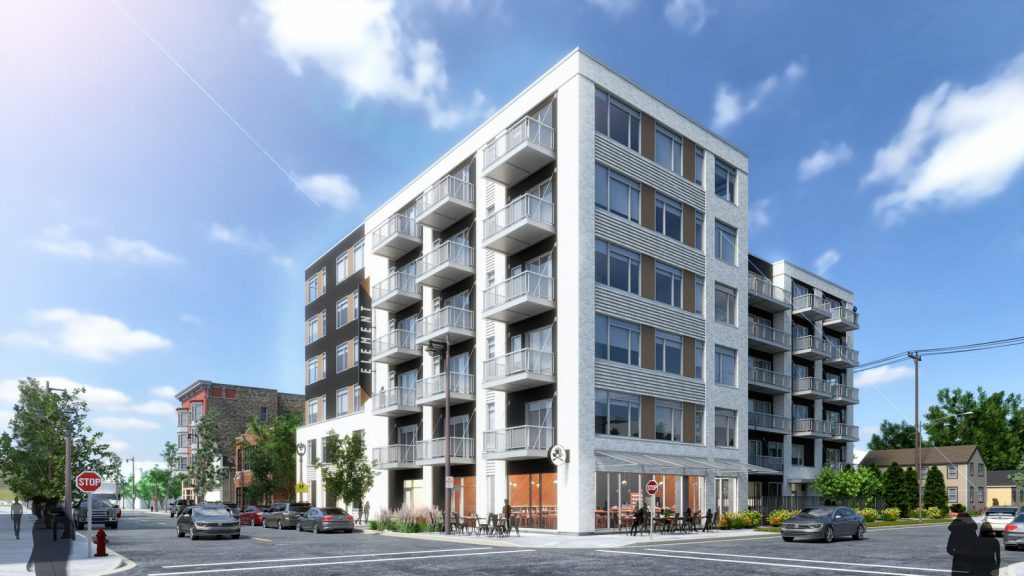
- Format Performance: Mixed-use retail and open-air community centers continue to outperform lower-tier enclosed malls.
- Tenant Drivers: Experiential retail, food & beverage (F&B), and service-oriented tenants are leading demand.
Kenya
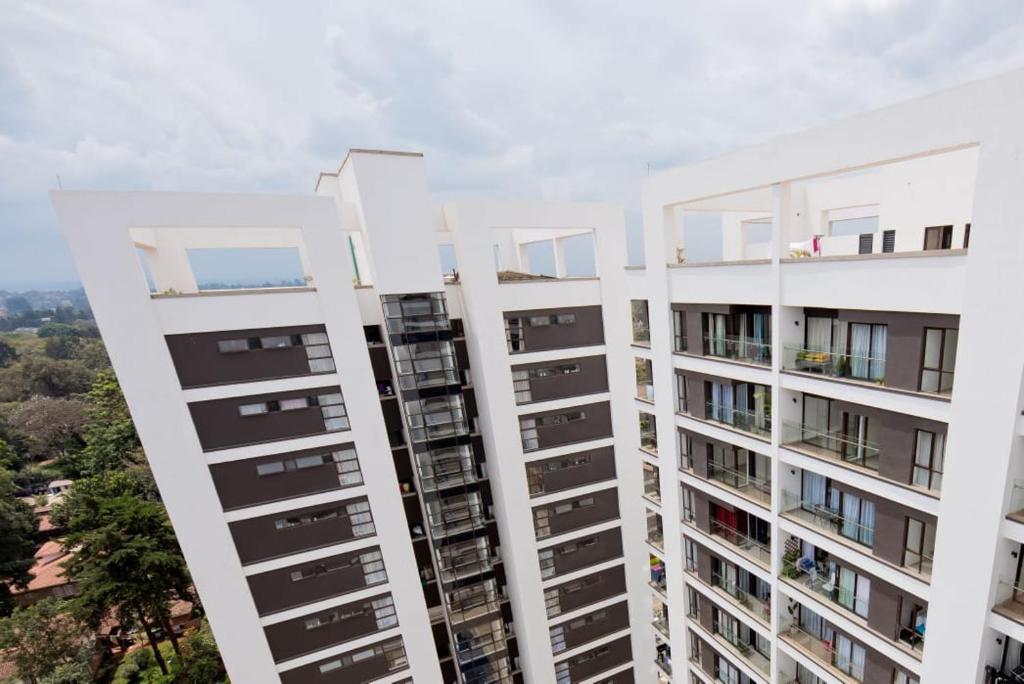
- Leasing Momentum: Retail demand is concentrated in well-located malls, neighborhood centers, and mixed-use developments in major urban corridors.
- Vacancy Trend: Established malls with strong anchor tenants show relatively stable occupancy, while weaker assets face repositioning pressure.
- Format Performance: Community retail centers and mixed-use projects are gaining traction over large standalone malls.
- Tenant Drivers: F&B, entertainment, essential services, and curated local brands are driving footfall and leasing demand.
Overall Insight:
Retail and mall space trends in 2026 show a clear shift toward experience-led, community-focused, and mixed-use retail formats, with investors prioritising assets that demonstrate resilience, flexibility, and strong tenant mix fundamentals.
Key Retail & Mall Space Trends in 2026
The key retail and mall space trends in 2026 include experiential retail growth, strong demand for mixed-use and neighborhood retail centers, tighter leasing conditions in prime locations, and increased use of technology to optimise space performance and tenant engagement.
What’s Driving Retail Space Demand in 2026?
Commercial retail space demand in 2026 is driven by:
- Growth in experiential retail, F&B, and entertainment
- Expansion of mixed-use and community-focused developments
- Limited new retail supply in prime locations
- Retailers prioritising flexible, smaller-format spaces
- Technology-enabled optimisation of footfall and layouts
Comparison Table (2026)
| Retail Format | Demand Trend (2026) | Key Strengths | Key Risks | Best Suited For | 2026 Outlook |
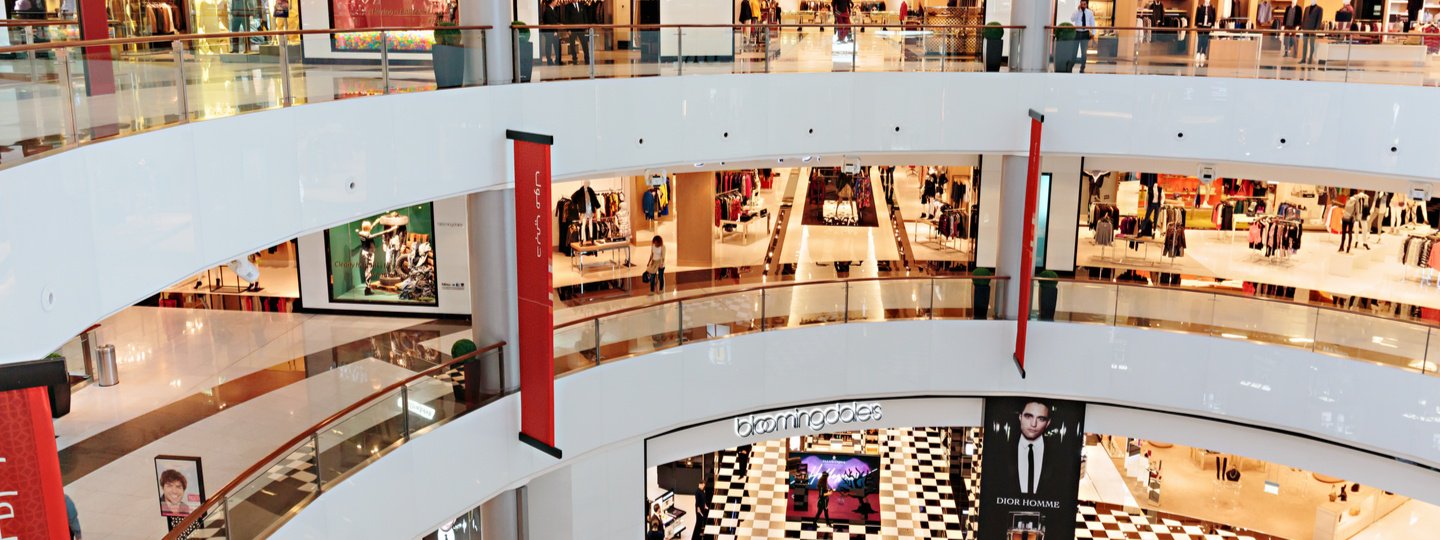
| Traditional Enclosed Malls | Mixed / Polarised | Strong anchors, destination appeal | Anchor vacancies, high capex | Prime urban nodes | Stable for top-tier malls |
| Community & Neighborhood Centers | Strong | Convenience, daily needs, lower operating costs | Limited scale | Suburban & urban catchments | Outperforming |
| Mixed-Use Retail Developments | Very Strong | Built-in footfall, diversified income | Higher development complexity | Urban growth corridors | High-growth |
| Strip Centers / Open-Air Retail | Strong | Flexibility, faster leasing | Tenant turnover risk | High-traffic roads | Resilient |
| Experiential & Lifestyle Retail | Growing | High engagement, longer dwell time | Higher fit-out costs | Leisure & lifestyle hubs | Expanding |
NOTE: Performance varies by location, asset quality, tenant mix, and management strategy.
Where Investors Are Focusing in 2026
In 2026, retail investors are focusing on mixed-use developments, neighborhood retail centers, and experiential retail assets located in high-footfall areas with limited new supply and strong tenant demand.
Market Overview: Retail And Mall Space Trends
The retail and mall space trends in 2026 are shaped by global economic shifts, consumer behavior changes, and evolving retail formats. Understanding the market overview helps investors, developers, and retailers make informed decisions about leasing, expansion, and investment opportunities. Studying these trends also highlights which retail formats and regions are attracting the highest commercial retail space demand.
Global Retail Growth Signals
Global retail real estate has experienced notable recovery as consumer confidence returns and retail operations normalise. Absorption rates are rising in prime urban centers, and there is growing interest in experiential retail and omnichannel-ready malls. These growth signals indicate where demand is strongest and can guide strategic decisions for leasing and investment.
Regional Dynamics (US, Europe, Africa, Asia)
Retail markets differ across regions due to varying economic conditions, urbanisation patterns, and consumer behaviors. In the US and Europe, there is a resurgence in lifestyle malls, whereas Africa and Asia are seeing stronger growth in smaller, community-focused retail formats. In Kenya, demand for curated tenant mixes and experiential malls is driving new developments and leasing activity.
Retail Format Performance (Malls vs Strip Centers)
The performance of retail formats varies significantly. Large traditional malls face challenges such as vacant anchor stores and slower leasing cycles, while smaller strip centers and mixed-use developments show faster absorption rates and higher tenant flexibility. Investors and developers can leverage this information to select formats that align with market demand and maximise returns on commercial retail space.
Performance Indicators in Retail Real Estate Market
Tracking key performance indicators is essential for understanding the health of the retail real estate market. Metrics such as leasing activity, vacancy rates, and rental growth provide critical insights for decision-making in both retail space leasing and investment.
Leasing & Absorption Data Trends
Leasing and absorption trends reveal the strength of demand in retail markets. High absorption rates typically indicate limited supply, strong tenant demand, and competitive leasing markets. These trends allow investors to identify profitable locations and understand which malls or retail centers are performing best.
Vacancy Rate Movement & Pricing
Vacancy rates reflect how well the supply of retail space meets current demand. Falling vacancy rates are often linked to high demand and limited available space, while rising vacancies may indicate oversupply or underperforming locations. Pricing trends are closely tied to vacancy movements, influencing rental rates and investment potential in malls and commercial centers.
Rent Growth & Yield Performance
Rent growth and yield performance are critical for measuring the profitability of retail investments. Locations with high foot traffic, premium tenants, and flexible retail layouts tend to achieve stronger rental growth and higher yields. Monitoring these metrics helps investors forecast returns and make strategic leasing and acquisition decisions.
Key Retail and Shopping Mall Performance Trends 2026
Retail and shopping mall performance in 2026 is being shaped by evolving consumer behaviors, technological innovation, and new retail formats. Understanding these trends allows investors, developers, and retailers to make strategic decisions that maximise commercial retail space demand and profitability.
Experiential & Omnichannel Retail Formats
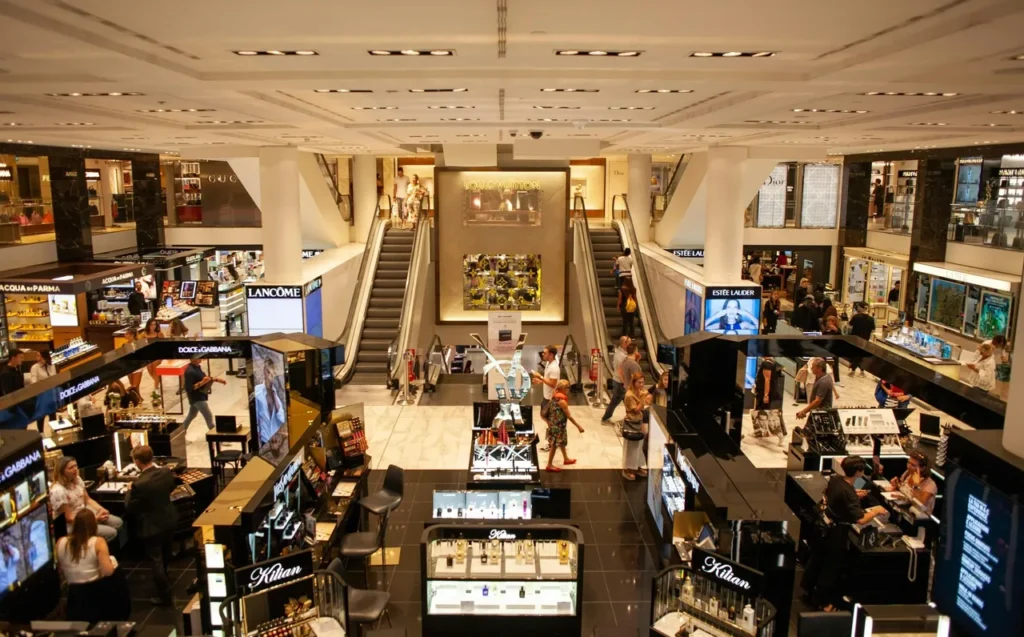
Experiential retail and omnichannel integration continue to drive modern retail and mall space trends. Shoppers now expect immersive experiences, seamless online-to-offline services, and engaging in-store environments. Malls that combine technology with physical experiences attract higher footfall, retain tenants longer, and boost overall mall performance.
Smaller Format & Flexible Retail Space
Smaller, modular, and flexible retail formats are gaining popularity as retailers seek adaptable, low-risk spaces. These layouts allow tenants to scale operations efficiently, respond to market shifts quickly, and maintain high occupancy levels. Developers benefit from reduced downtime between leases and faster tenant turnover.
Mixed-Use & Neighborhood Retail Demand
Mixed-use developments combining retail, residential, and office spaces are increasingly outperforming traditional malls. Neighborhood-focused retail hubs attract local communities by offering convenience, lifestyle experiences, and accessibility. This approach significantly increases footfall, leasing demand, and overall commercial retail space demand.
F&B & Entertainment as Retail Anchors
Food, beverage, and entertainment tenants are now critical anchors that drive traffic and enhance shopper engagement. Integrating cinemas, restaurants, and entertainment zones encourages longer visits and increases cross-shopping opportunities. These anchors stabilise surrounding retail performance and improve leasing attractiveness.
Digital & Tech-Driven Space Optimisation
Technology is transforming how retail spaces are planned, leased, and managed. Tools like footfall analytics, AI-driven layout optimisation, and smart building systems allow mall operators to improve space utilisation and tenant performance. Digital integration enhances shopper engagement, tenant satisfaction, and overall retail profitability.
Drivers of Commercial Retail Space Demand
Identifying the drivers of commercial retail space demand is crucial for investors, developers, and retailers. Demand is influenced by shifts in consumer behavior, retailer expansion, supply constraints, and adaptive reuse of existing assets. Monitoring these factors helps stakeholders make informed strategic decisions.
Consumer Behavior Shifts & Footfall Patterns
Consumer preferences strongly impact leasing activity and retail success. Shoppers increasingly value convenience, experience, and accessibility, which drives footfall in prime locations. Understanding these patterns enables mall operators to optimise tenant placement, merchandising, and lease terms.
Retailer Expansion & Replacement Growth
Retailers expanding into new markets or replacing underperforming stores influence overall demand for commercial space. Tracking these growth patterns helps investors and developers anticipate high-demand areas and align leasing strategies with market trends.
Supply Constraints & Construction Pipeline
Limited new construction and supply shortages in prime retail locations increase competition for space and drive up rents. Monitoring construction pipelines allows stakeholders to forecast future availability, plan leasing strategies, and make informed investment decisions.
Asset Repositioning & Adaptive Reuse
Repurposing underperforming malls or retail spaces into mixed-use, lifestyle, or experiential destinations is increasingly popular. Adaptive reuse revitalises communities, attracts new tenants, and boosts property values, making it a key strategy for sustaining retail and mall space demand.
Strategic Leasing & Investment Decisions
Making strategic leasing and investment decisions is critical for maximising returns in the evolving retail market. Understanding market dynamics, tenant demand, and growth opportunities helps investors and retailers optimise commercial retail space demand.
Choosing the Right Retail Market & Format
Selecting the right market and retail format ensures higher occupancy, better footfall, and sustainable returns. Evaluating location demographics, consumer behavior, and emerging market trends guides investors and retailers in making informed choices.
Lease Negotiation & Contract Structuring
Effective lease negotiation and contract structuring protect both tenants and landlords while optimising profitability. Flexible terms, escalation clauses, and performance-based agreements help secure long-term leases and reduce vacancy risk.
Risk Assessment & Return Forecasting
Assessing risks and forecasting returns is essential for sound investment decisions. Analysing market volatility, tenant reliability, and economic trends allows investors to target high-yield opportunities while mitigating potential losses.
Capitalising on Growth Nodes & Emerging Centers
Targeting growth nodes and emerging retail centers enables investors and retailers to capture opportunities before markets become saturated. Early entry into high-demand locations secures competitive advantages and maximises leasing returns.
Transactional Opportunities & Growth Formats
Transactional opportunities in 2026 focus on optimising retail space utilisation and identifying high-demand formats. Investors and developers can leverage trends to enhance revenue, attract premium tenants, and improve overall mall performance.
High-Demand Retail Space Categories
Certain retail categories drive higher footfall and rental growth. Fashion, lifestyle, F&B, and entertainment tenants attract consistent visitors and ensure a balanced tenant mix in malls and community retail centers.
Retail REITs & Commercial Portfolios
Retail REITs and diversified commercial portfolios provide scalable investment opportunities. They allow investors to access premium retail assets while managing risk and ensuring steady returns.
Repurposing Underperforming Malls
Repurposing underperforming retail spaces into mixed-use, lifestyle, or experiential centers revitalises properties. Adaptive reuse strategies enhance retail and mall space trends, attract tenants, and increase footfall.
Technology-Enabled Retail Operations
Technology-enabled operations optimise leasing, space utilisation, and customer engagement. AI, analytics, and smart building tools improve operational efficiency and enhance the performance of retail spaces.
Conclusion
Understanding retail and mall space trends in 2026 is crucial for investors, retailers, and developers. Market insights on leasing, occupancy, emerging formats, and technology integration enable strategic decision-making, maximise commercial retail space demand, and improve profitability.