Commercial Real Estate Trends Kenya
Explore Kenya’s commercial real estate market in 2024–25 — office rents & vacancy in Nairobi, retail property yields, industrial/logistics demand, financing and tax issues, and how tenants & investors should act now.
Introduction:
Commercial Real Estate Trends Kenya
Kenya’s commercial real estate market is in transition. As investors chase value beyond traditional office spaces, Nairobi’s premium buildings, retail malls, and logistics hubs are reshaping investment patterns. Demand is being driven by e-commerce, regional trade, and hybrid workspaces — trends every landlord, tenant, or developer should understand before making their next move.

Market Snapshot – 2024 to H1 2025
Macro & Economic Drivers (GDP Growth, Inflation, Interest Rates)
Kenya’s strong GDP growth, stable inflation, and improving investor confidence continue to drive activity in the commercial property sector. The economy’s diversification into manufacturing, tech, and logistics has sustained demand for Grade A offices and modern warehouses. Meanwhile, inflation has remained moderate, supporting business expansion and long-term leasing. Lower interest rates have also attracted developers and investors seeking predictable income streams from office and retail spaces.
Sector Performance Overview: Office, Retail, Industrial, Mixed-Use
The office space Nairobi market remains tenant-favorable, with many firms consolidating into smaller, high-quality spaces. Retail property in Kenya continues to rebound, supported by population growth and rising middle-class consumption. Industrial real estate, particularly logistics hubs, is gaining traction as e-commerce scales up. Mixed-use developments are now the preferred model for both developers and tenants, offering integrated live-work-play environments that improve occupancy stability.

Massive infrastructure upgrades — such as the Nairobi Expressway, new bypasses, and industrial corridors — are reshaping accessibility and property values. Public-Private Partnerships (PPPs) have also boosted large-scale projects like logistics parks and smart city developments. Updated zoning and planning policies now encourage mixed-use projects, enhancing land utilisation. These reforms are not only attracting domestic investment but also positioning Kenya as East Africa’s gateway for global investors.
Key Market Indicators: Rents, Yields, Absorption, Occupancy Rates
Rents for Grade A office space in Nairobi remain steady, with vacancy rates around 18–22% depending on the submarket. Retail yields are averaging 8–10%, while industrial and logistics properties attract higher returns, often reaching 12%. Demand absorption is strongest in prime retail and warehouse segments. Despite economic pressures, overall occupancy levels have improved due to increased uptake of flexible leasing models and adaptive reuse of existing buildings.
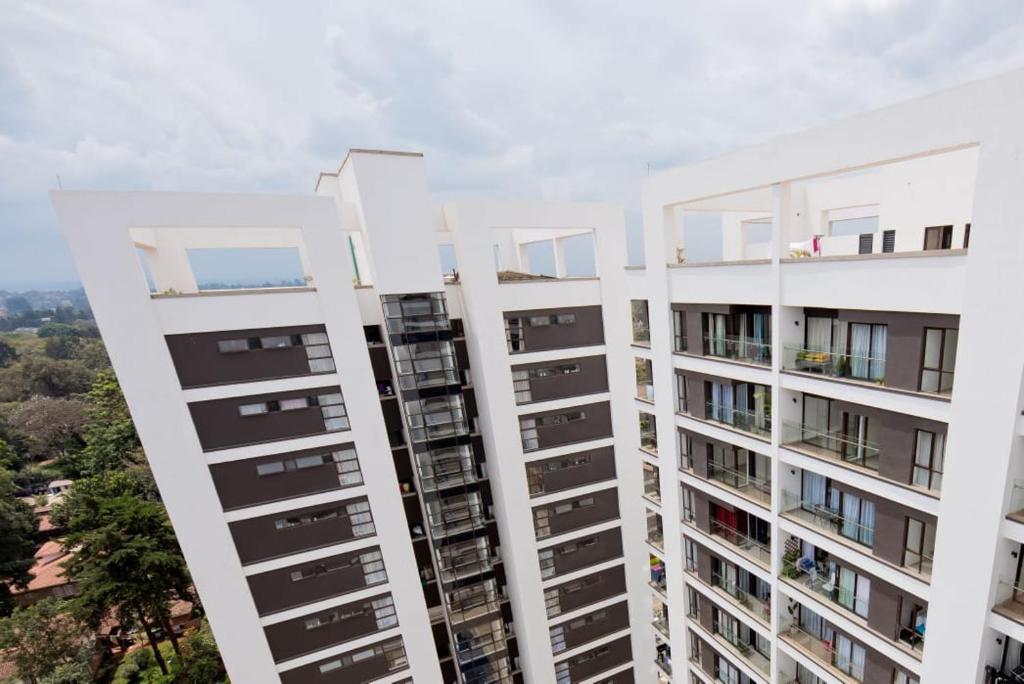
Office Market in Nairobi – Tenant & Investor View
Grade A vs Grade B Offices — Rent Spreads and “Flight to Quality”
The office space Nairobi market has seen a clear shift toward Grade A buildings as businesses seek modern, energy-efficient environments that reflect professionalism. Grade A offices in areas like Westlands and Upper Hill command higher rents, averaging KSh 120–160 per sq. ft., compared to KSh 70–90 for Grade B spaces. This “flight to quality” trend is driven by demand for better amenities, parking, security, and smart building technology. Tenants are downsizing but upgrading to higher standards, boosting absorption in newer developments.

Nairobi Sub-Markets: CBD, Upper Hill, Westlands, Gigiri
Each Nairobi sub-market presents distinct opportunities and challenges. The CBD remains vital for traditional firms but faces parking and congestion issues. Upper Hill continues to attract banks and corporates due to its strategic location and modern offices. Westlands is now Nairobi’s fastest-growing business hub, known for premium mixed-use towers. Gigiri, favored by embassies and NGOs, maintains some of the city’s highest rent levels due to its security and low supply of commercial space. Understanding these micro-markets helps investors match property features to tenant demand.
Lease Structures, Incentives & Tenant Negotiation Strategies
Office leases in Nairobi typically range from 3 to 6 years, with renewal and rent review clauses every two to three years. Tenants are negotiating flexible terms like rent-free fit-out periods, shorter notice durations, and service charge transparency. Landlords, in turn, are offering incentives such as reduced deposits or shared maintenance costs to attract stable tenants. Smart investors and tenants use market comparables to leverage negotiations, ensuring value for both sides.
Investor Focus: Refurbishment vs Redevelopment Returns
For investors, the choice between refurbishing older offices and redeveloping from scratch depends on location and tenant needs. Refurbishment offers lower upfront costs and quicker turnaround, especially in areas like Upper Hill and Kilimani where demand remains strong. Redevelopment suits plots in the CBD where aging buildings require structural overhaul. A well-planned renovation can lift yields by 2–3%, while full redevelopment can deliver higher long-term value if occupancy is secured early.

Rise of Flexible Workspaces and Coworking Models
Flexible workspaces have become central to Nairobi’s post-pandemic office recovery. Companies are blending remote and on-site work, driving demand for short-term leases in coworking hubs like Nairobi Garage and Kofisi. These models attract startups, SMEs, and multinationals seeking scalability without long-term commitments. For landlords, converting partial floors into serviced offices provides steady income and higher yield per square foot.
Retail Property in Kenya – Yield, Footfall & Tenant Mix
Retail Occupancy and Yield Benchmarks Across Key Cities
Kenya’s retail property market has stabilised after a period of oversupply, with major cities recording occupancy rates above 80%. Prime malls in Nairobi achieve yields of 8–10%, while secondary retail centers in Mombasa and Kisumu average 9–11%. Retailers in fashion, electronics, and groceries are expanding cautiously, focusing on affordability and accessibility. High footfall locations near transport hubs and residential clusters remain top picks for investors.
Retail Formats Gaining Ground — Neighbourhood Malls & Mixed-Use Retail
Neighbourhood malls and mixed-use developments are outperforming traditional mega malls. These smaller centers, integrated within residential zones, attract steady daily traffic and lower vacancy risk. Developers are increasingly embedding retail into mixed-use projects that combine offices, apartments, and entertainment. This shift reflects changing consumer habits that prioritise convenience and community engagement.
Tenant Covenant Strength: Supermarkets, F&B, Fintech Retailers
Tenant quality directly influences mall performance. Strong anchors like Carrefour, Naivas, and Quickmart enhance stability through long leases and reliable cash flow. Food and beverage brands, along with fintech-driven outlets like mobile money kiosks, also boost daily visits. However, landlords are urged to assess each tenant’s financial health and brand resilience before lease signing. A balanced tenant mix reduces default risk and enhances long-term returns.

E-Commerce Disruption and Integration into Physical Retail
E-commerce is reshaping Kenya’s retail landscape. While online shopping grows, consumers still prefer physical stores for convenience and trust. Many brands now adopt omnichannel strategies — combining online orders with in-store pick-ups. This hybrid model has increased demand for smaller showrooms and logistics backrooms. Investors who support this integration can attract modern retailers and improve occupancy stability.
Industrial & Logistics Assets – Emerging Opportunity
Demand Drivers — E-Commerce, Cold Chain & Manufacturing Growth
The rise of e-commerce, agribusiness, and manufacturing has accelerated the need for modern logistics facilities. Kenya’s strategic location and improving infrastructure make it ideal for regional distribution hubs. Cold chain storage demand is also growing due to food exports and pharmaceuticals. Industrial properties now deliver yields between 10–12%, making them one of the most attractive investment segments in commercial real estate Kenya.
Strategic Locations — Nairobi–Mombasa Corridor and Special Zones
The Nairobi–Mombasa highway remains Kenya’s most vital logistics artery, connecting key economic zones. Emerging areas like Athi River, Tatu City, and Naivasha Inland Port are becoming industrial hotspots due to improved road and rail access. Special Economic Zones (SEZs) along this corridor offer tax incentives that attract both local and international manufacturers. Investors focusing here can expect strong tenant demand and value appreciation.

Lease Lengths, Cap Rates, and Developer Investment Considerations
Industrial lease terms are typically longer — averaging 6 to 10 years — providing stable cash flow for developers. Cap rates range from 10–12%, depending on location and tenant profile. Developers must factor in infrastructure costs such as access roads, water, and power reliability. Building flexible designs that allow tenant customisation improves occupancy and long-term asset performance.
Risks — Infrastructure Gaps and Oversupply Concerns
While the industrial sector is growing, challenges remain. Inconsistent utilities, poor feeder roads, and lengthy permit approvals can increase project costs. Oversupply risk exists in zones with speculative developments not tied to tenant pre-leasing. Smart investors mitigate these risks by conducting feasibility studies, securing anchor tenants early, and investing in scalable warehousing models.
Financing, Taxation & Regulatory Environment
HFinancing landscape — LTVs, interest rates, investor appetite
Kenya’s commercial real estate financing scene is tightening as banks adopt stricter loan-to-value (LTV) ratios — typically 60–70% for prime projects. Developers are exploring alternative financing like REITs and private equity to bridge funding gaps. Interest rates remain elevated due to inflationary pressure, pushing investors toward projects with predictable cash flows and long-term leases.
Tax implications — VAT, stamp duty, rental income taxation
Investors must budget for transactional taxes — VAT (16% on commercial rents), stamp duty (4% in urban areas), and withholding tax (10% for rental income). Proper structuring can reduce double taxation, especially for REITs or joint ventures. Understanding Kenya Revenue Authority (KRA) compliance helps avoid costly penalties and ensures smoother project execution.
Land title, zoning, and environmental regulation updates
Land ownership clarity remains critical — always verify title deeds through the ArdhiSasa system. New zoning bylaws in Nairobi County promote mixed-use development but demand environmental impact assessments (EIA) before approvals. Staying aligned with NEMA and county planning departments ensures projects avoid costly legal setbacks.

Valuation & Due-Diligence Checklist
Legal and technical checks — title, planning, structural, MEP
Before acquisition, investors must confirm ownership, verify land use approvals, and inspect mechanical, electrical, and plumbing (MEP) systems. Structural surveys help assess potential renovation costs. Legal consultants and engineers play a vital role in identifying red flags early.
Commercial evaluation — tenant mix, rent roll, demand trends
A building’s value depends on its tenant quality, lease durations, and income diversification. Analyse rent rolls for arrears, tenant churn, and renewal probabilities. Market data from Nairobi’s key business districts helps gauge demand resilience and rental growth potential.
Cap-rate sensitivity analysis and valuation modelling basics
Cap rates in Nairobi’s commercial market average between 9%–11%, depending on location and asset grade. Modelling rent increases, vacancy rates, and financing costs helps investors forecast performance under different market conditions. Sensitivity analysis is crucial for long-term risk management.
Opportunities & Risks for 2025–26
Opportunities — asset repositioning, mixed-use conversions, logistics hubs
Underperforming malls and office spaces offer conversion potential into flexible offices, hotels, or residential units. Logistics hubs near key trade routes are seeing strong absorption driven by e-commerce and regional trade. Investors focusing on sustainability and energy-efficient design can also attract green financing incentives.
Risks — oversupply, FX volatility, high financing costs
An oversupply in Grade A office stock and retail spaces is putting pressure on yields. Currency depreciation and high interest rates could squeeze leveraged investors. Prudent debt management and diversified asset exposure remain essential to weather volatility.
Scenario planning — best vs downside outlooks for investors
In the best-case scenario, stabilised inflation and infrastructure growth sustain steady returns. Conversely, prolonged macro instability could delay lease renewals and dampen foreign investment. Building multiple cash flow projections prepares investors for either market trajectory.
Deal Flow & Sourcing Transactions in Kenya
Working with brokers, property portals, and direct owner listings
Established agencies like Knight Frank, HassConsult, and online portals such as BuyRentKenya are key starting points for deal sourcing. Off-market transactions through trusted brokers or direct owner negotiations often yield better pricing and less competition.
Transaction stages — LOI, due diligence, negotiation, completion
A typical transaction begins with a Letter of Intent (LOI), followed by due diligence on title, tenancy, and financial records. Negotiations determine price adjustments before signing the sale agreement and completing registration. Timely engagement of legal and valuation experts is vital.
Key contract clauses — rent review, break options, fit-out terms
Well-drafted lease agreements protect both parties — clauses should cover rent review timelines, termination rights, and fit-out responsibilities. Investors must also include maintenance obligations and escalation clauses for predictable returns.
Case Studies – Real Transactions
Office repositioning example — renovation cost vs rental gain
A Nairobi-based developer recently repositioned an aging Grade B office in Upper Hill into a modernised workspace with upgraded HVAC, façade, and parking facilities. The renovation cost approximately KSh 180 million but resulted in a 30% rent increase and 90% occupancy within six months. This case underscores the profitability of targeting outdated assets in prime zones for value-add upgrades.
Neighbourhood mall acquisition — anchor tenants & ROI timeline
A private equity fund acquired a small retail center in Kiambu anchored by a supermarket and two banks. With stable foot traffic and affordable rents, the investor achieved an 11% annual yield after securing long-term leases. ROI was realised within four years through steady rental growth and service charge optimisation. This highlights the appeal of smaller, community-oriented retail formats.
Conclusion – Investment Thesis & Next Steps
Summary of 2024–25 performance and future outlook
Kenya’s commercial real estate market in 2024–25 reflects a steady rebound, led by office consolidation, retail recovery, and industrial expansion. Nairobi continues to dominate demand, but secondary cities like Nakuru and Eldoret are emerging as viable investment frontiers. Overall, the market remains resilient despite global headwinds.
Key takeaways for investors, tenants, and developers
- Investors: Focus on cash-flow stability and value-add refurbishments.
- Tenants: Negotiate flexible leases with fit-out allowances.
- Developers: Integrate sustainability and mixed-use design for future-proof returns.
Strategic repositioning, sound due diligence, and proactive tax planning remain the foundation for success.
Action checklist — how to prepare for 2026 market shifts
- Review your portfolio’s lease maturity profile and tenant risk.
- Explore mixed-use or logistics conversions for underperforming assets.
- Engage in sustainable building certification (EDGE or LEED) for better financing access.
- Monitor interest rate trends and plan refinancing early.
Kenya’s commercial real estate market offers long-term potential for those who adapt early and align with structural trends like e-commerce and flexible workspace demand.