The Role of Public‑Private Partnerships in Affordable Housing Delivery
“Explore how public‑private partnerships (PPPs) are transforming affordable housing delivery in Kenya — models, stakeholders, legal frameworks, case studies, enablers & barriers, and how investors and government can scale the approach.”
Introduction: Public‑Private Partnerships (PPPs) & Affordable Housing in Kenya
Defining PPPs in the Housing Context
The Role of Public‑Private Partnerships in Affordable Housing Delivery
Public‑private partnerships housing Kenya refers to collaborations where the government and private sector jointly plan, finance, and deliver housing projects. These partnerships aim to combine public resources with private expertise to improve efficiency, quality, and speed of delivery. PPPs can take multiple forms, such as joint ventures, build-operate-transfer models, or concession agreements.
Why Affordable Housing Is a Critical Challenge in Kenya
Kenya faces a significant affordable housing gap, with millions of people living in informal settlements or inadequate housing. Rapid urbanisation, rising construction costs, and limited government funding make it difficult to meet demand. Addressing this challenge requires innovative approaches that combine finance, construction, and policy tools.
Bullet points for emphasis:
- Annual housing demand far exceeds supply
- Urban population growth increases pressure on cities
- Limited government resources make private sector involvement essential
How PPPs Offer a Transactional Route for Housing Delivery
PPPs provide a structured way for governments and private investors to deliver affordable housing efficiently. They offer mechanisms for risk-sharing, long-term financing, and project management. By using PPP affordable housing Kenya models, stakeholders can ensure projects are financially viable while remaining affordable for end-users.
Bullet points:
- Enables private investment in social housing projects
- Shares risks between government and developers
- Creates scalable and replicable housing solutions
Understanding Kenya’s Affordable Housing Deficit
Size & Scope of the Housing Gap
Kenya’s affordable housing deficit is a pressing challenge for both the government and investors. Millions of households live in inadequate or informal housing, creating an urgent need for scalable solutions. For private developers and financiers, this gap represents a clear opportunity to participate in PPP affordable housing Kenya projects and deliver measurable impact while earning returns.
Government Targets and Policy Frameworks
The government has set ambitious targets to close the housing gap through initiatives like the Big Four Agenda’s Affordable Housing Programme. These policies create a conducive environment for PPPs, offering opportunities for private sector participation, access to land, and regulatory support. Developers and investors can leverage these frameworks to secure approvals, structure financing, and launch projects efficiently.
Why Traditional Public Funding Alone Is Insufficient
Public funding alone cannot meet Kenya’s growing housing demand. Budget constraints, rising construction costs, and urbanisation pressures limit the government’s capacity to deliver enough units. Partnering through PPPs allows developers to access funding, expertise, and scalable delivery models while sharing risks with the government and ensuring affordability for buyers.
Kenya’s Legal & Institutional Framework for PPPs in Housing
Key Legislation: Public Private Partnerships Act 2013 and Updates
The Public Private Partnerships Act 2013, along with updates like the 2021 PPP Bill, provides a clear legal framework for executing housing PPPs. This framework protects private investors, defines risk-sharing mechanisms, and streamlines approvals. Any developer or investor considering a PPP affordable housing Kenya project should understand these laws to ensure compliance and maximise project viability.
Institutional Roles: PPP Directorate, Contracting Authorities, Counties
Multiple institutions govern PPP projects in Kenya. The PPP Directorate oversees approvals, monitors compliance, and ensures transparency, while contracting authorities manage procurement and contracts. County governments facilitate local approvals, land allocation, and community engagement. Understanding these roles is critical for investors to navigate project implementation efficiently.
Regulatory Incentives & Procurement Settings
Kenya offers regulatory incentives to attract private participation in affordable housing. These include tax breaks, import duty exemptions, and fast-tracked procurement processes. Leveraging these incentives enables developers to reduce project costs, accelerate timelines, and maintain affordability, making PPP affordable housing Kenya projects more attractive to investors.

PPP Models Used in Affordable Housing Delivery
Common PPP Structures (BOT, BOO, Design‑Build‑Finance‑Operate)
Public-private partnerships housing Kenya projects can take several structured forms, each offering different benefits for investors and government partners. Build-Operate-Transfer (BOT) models allow private developers to construct and operate housing units for a set period before transferring ownership to the government. Build-Own-Operate (BOO) models let the private partner retain ownership and operational control, generating long-term revenue from rentals or sales. Design-Build-Finance-Operate (DBFO) models integrate project financing with construction and operations, enabling faster delivery while aligning financial incentives with performance. Understanding these structures helps investors select the most suitable approach for affordable housing projects that balance profitability with social impact.
Models Applied Specifically to Affordable Housing in Kenya
In Kenya, PPP affordable housing projects often combine government land provision with private sector financing and construction expertise. Joint ventures between counties and developers are common, where the government contributes land and approvals while the private sector handles design, construction, and sales. Other models include long-term lease arrangements or concession-based frameworks, ensuring that housing units remain affordable while allowing investors to achieve returns. These models are tailored to Kenya’s housing deficit, urbanisation trends, and regulatory environment, creating a transactional pathway for both public and private stakeholders.
Cross-Subsidisation, Rental-to-Own, Social Housing Hybrids
To maximise affordability, many PPP projects in Kenya adopt hybrid approaches. Cross-subsidisation allows developers to offset costs of low-income units by including higher-end units in the same project. Rental-to-own schemes give residents a pathway from renting to ownership, improving access to finance and long-term stability. Social housing hybrids combine public funding, private investment, and community involvement to deliver large-scale projects while maintaining affordability standards. These models enable both investors and governments to achieve measurable impact while expanding Kenya’s affordable housing stock efficiently.
Key Stakeholders & Their Roles
Role of National Government and County Governments
National and county governments play a central role in PPP affordable housing Kenya initiatives. The national government establishes policy, provides funding incentives, and manages regulatory compliance. County governments facilitate land allocation, local approvals, and community engagement, ensuring that housing projects align with local development plans. Effective collaboration between these levels of government is essential for smooth project execution and timely delivery of affordable housing units.
Role of Private Developers, Financiers, Pension Funds
Private developers bring technical expertise, construction capacity, and project management skills to PPP housing projects. Financiers, including banks and pension funds, provide the capital needed for construction and long-term financing. For example, Kenya’s pension funds can invest in debt instruments tied to affordable housing projects, creating a stable funding source while supporting social objectives. These stakeholders are critical to ensuring that projects are financially viable and sustainable over the long term.
Role of Communities, Informal Settlements, and Housing Buyers
Communities and housing buyers are active participants in PPP affordable housing projects. Engaging local residents helps identify needs, manage expectations, and ensure social acceptance. In slum upgrading projects, community involvement is essential to successfully transition informal settlements into formal housing. Buyers in rental-to-own or social housing programs benefit from affordable access to quality units, while developers gain a committed market that supports project sustainability.
Role of Infrastructure & Supporting Actors
Infrastructure and supporting actors, such as construction supply chains and material manufacturers, are vital to the success of PPP affordable housing Kenya projects. Reliable access to building materials, skilled labor, and utilities ensures timely project delivery and cost efficiency. Governments and private partners must coordinate with these actors to maintain quality standards and meet project timelines, especially in large-scale developments.
Financing and Investment in PPP Affordable Housing
Private Capital, Blended Finance and Public Funds
Financing PPP affordable housing Kenya projects requires a combination of private capital, blended finance, and public sector support. Private investors provide upfront funding for construction, while public funds from national or county governments help reduce risk and make projects more financially viable. Blended finance structures, which mix grants, concessional loans, and equity, attract additional investors by lowering risk and increasing project returns. This integrated approach ensures that affordable housing projects are adequately funded, scalable, and sustainable.
Pension Funds and Long-Term Mortgages
Kenya’s pension funds are increasingly participating in affordable housing through PPPs by investing in debt instruments or project bonds. Long-term mortgages, facilitated by institutions such as the Kenya Mortgage Refinance Company (KMRC), enable developers to access stable financing while making homeownership accessible to buyers. These mechanisms create a reliable funding pipeline that supports both the construction of units and the ability of low- and middle-income families to purchase or rent homes over time.
Value-for-Money Assessments and Risk-Sharing Frameworks
To ensure both financial viability and social impact, PPP affordable housing Kenya projects require thorough value-for-money assessments and clear risk-sharing frameworks. These assessments evaluate whether the benefits of a project justify the costs and identify opportunities to optimise resources. Risk-sharing frameworks allocate responsibilities among government, developers, and financiers, mitigating exposure to construction delays, cost overruns, or market fluctuations. Effective frameworks help maintain affordability for residents while protecting investor returns.

Return on Investment for Private Partners
Private investors in PPP affordable housing Kenya projects need a clear understanding of potential returns compared to traditional commercial housing. Revenue can come from the sale of units, rental income, or hybrid models like rental-to-own schemes. Balancing profitability with affordability requires careful financial modelling, but when structured correctly, PPPs offer investors stable, long-term returns while contributing to national housing goals.
Case Studies of PPP Affordable Housing Projects in Kenya
Example: River Estate Ngara (2,720 Units)
River Estate Ngara is one of Kenya’s landmark PPP affordable housing Kenya projects, delivering 2,720 housing units through a partnership between the government and private developers. The project combined government land provision with private financing and construction expertise to accelerate delivery. This case demonstrates how PPP models can address urban housing deficits while providing investors with predictable returns.
Example: Pangani Housing Project (1,562 Units)
The Pangani Housing Project illustrates how targeted PPP structures can create affordable housing in high-demand urban areas. By leveraging joint ventures between counties and private developers, the project efficiently delivered 1,562 units while maintaining affordability standards. Lessons from this project highlight the importance of community engagement, transparent procurement, and risk-sharing to achieve successful outcomes.
Example: Project to Develop & Sell 2,820 Affordable Housing Units via PPP Kenya
PPP Kenya has initiated a project to develop and sell 2,820 affordable housing units across multiple urban locations. The initiative combines government land allocation with private sector construction and financing. This project shows how national-level coordination and regulatory support can scale affordable housing delivery while attracting private investment.
What Worked, What Didn’t — Lessons Learned
Across these case studies, several success factors and challenges emerge. Successful elements include clear government-private collaboration, adequate financing structures, and active community engagement. Common challenges include delays in approvals, cost escalations, and difficulties in maintaining affordability without compromising quality. Future PPP affordable housing Kenya projects can benefit by adopting risk-sharing frameworks, efficient procurement processes, and scalable financing models.
Enablers and Success Factors for PPPs in Affordable Housing
Land Availability and Infrastructure Readiness
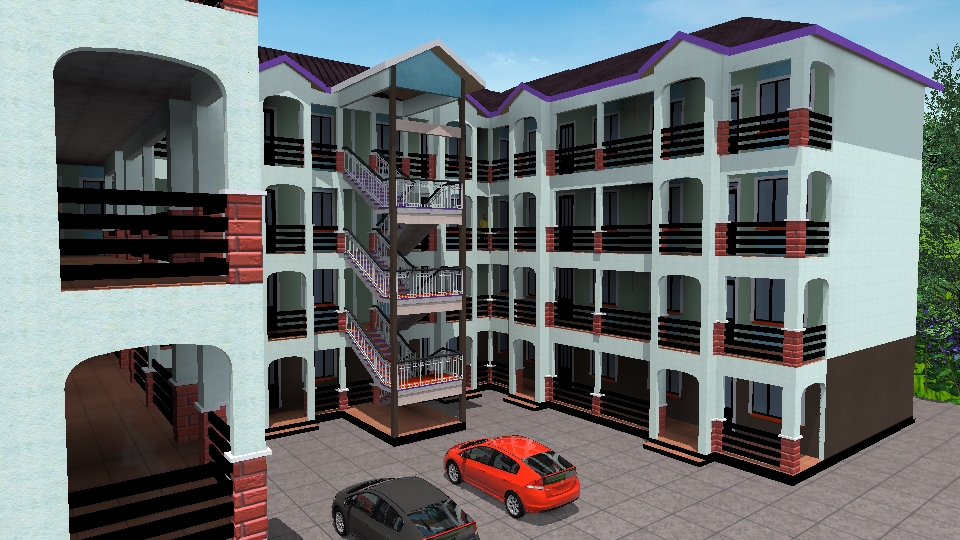
Availability of suitable land and infrastructure is critical for successful PPP affordable housing Kenya projects. Developers need access to plots with utilities, roads, and drainage already in place, which reduces construction delays and costs. Governments can facilitate this by allocating land strategically and ensuring infrastructure readiness before project initiation.
Clear Procurement & Contract Management Processes
Transparent procurement and contract management are essential enablers for PPP projects. Clearly defined procedures ensure that developers, financiers, and government agencies understand their roles and responsibilities. Efficient procurement reduces delays, prevents disputes, and increases investor confidence, ultimately improving the speed and quality of affordable housing delivery.
Developer Incentives, Including Tax Breaks and Import-Duty Reductions
Government incentives play a major role in attracting private partners to affordable housing. Tax exemptions, import-duty reductions on construction materials, and streamlined approval processes help developers reduce costs and maintain affordability. Incentives like these also make PPP affordable housing Kenya projects more attractive to investors seeking stable returns.
Effective Risk Allocation and Monitoring
Proper risk allocation ensures that project delays, cost overruns, and operational challenges are shared appropriately between the public and private partners. Continuous monitoring of progress, quality, and financial performance helps detect issues early and ensures that housing units are delivered on time. PPP affordable housing Kenya projects succeed when both risk and accountability are clearly defined and managed.
Barriers and Challenges to PPP Affordable Housing Delivery
Delays in Procurement and Approvals
One of the main barriers to PPP affordable housing Kenya projects is the slow pace of procurement and approval processes. Lengthy government procedures, unclear tender requirements, and overlapping institutional roles can delay project initiation. These delays increase project costs and reduce investor confidence. Addressing this challenge requires streamlined regulatory procedures and proactive engagement between developers and authorities.
Financing Gaps, Cost Escalation, and Profitability vs Affordability Tension
Financing gaps and rising construction costs pose significant challenges for affordable housing projects. Private developers must balance profitability with affordability, which can be difficult when material costs rise or access to financing is limited. PPP structures help mitigate these risks, but careful financial planning and innovative funding mechanisms are essential to ensure projects remain viable for both investors and end-users.
Institutional Capacity, Community Engagement, Maintenance, and Quality Issues
Limited institutional capacity can slow project execution and monitoring. Inadequate coordination among government agencies and insufficient experience in managing PPPs can affect timelines and quality. Additionally, lack of community engagement may lead to resistance or underutilisation of housing units. Ensuring proper maintenance and adherence to quality standards is critical for long-term project success and sustained affordability.
Scalability Issues and Supply-Chain Constraints
Scaling up PPP affordable housing Kenya projects is often hindered by supply-chain constraints and material costs. Dependence on imported construction materials, limited local manufacturing, and shortages of skilled labour can increase costs and delay delivery. Overcoming these challenges requires investment in local production, workforce training, and logistical planning to achieve larger-scale housing solutions.

Strategies to Scale Up PPPs for Affordable Housing in Kenya
Innovative Financing Instruments (Social Bonds, Green Bonds)
Innovative financing instruments such as social bonds and green bonds can attract private investors to PPP affordable housing Kenya projects. These instruments provide long-term funding while supporting social and environmental objectives. By linking returns to measurable social impact, developers and investors can secure capital more easily and scale housing delivery efficiently.
Strengthening Supply-Chain & Local Manufacturing for Cost Reduction
Developing local manufacturing capacity for construction materials reduces dependence on imports and lowers project costs. Strengthening supply chains also ensures timely delivery of building inputs, reduces delays, and enhances affordability. For investors and developers, leveraging local production supports both financial returns and sustainable economic development.
Digitalisation, Modular Construction, and Sustainability in Housing Delivery
Digital tools and modular construction methods can accelerate project timelines and reduce costs. Using prefabricated components and building information modeling (BIM) improves efficiency, quality, and predictability. Sustainable building practices, such as energy-efficient designs and solar integration, enhance affordability over the long term and contribute to Kenya’s green development goals.
Monitoring, Evaluation, Affordability Preservation, and Exit Strategies
Effective monitoring and evaluation frameworks ensure PPP affordable housing Kenya projects meet timelines, quality, and affordability targets. Affordability preservation strategies, such as capped rents or social housing mandates, protect low- and middle-income residents. Clear exit strategies for private partners allow for reinvestment and scalability, ensuring the long-term success of affordable housing initiatives.
Impact of PPP Affordable Housing Delivery on Kenya’s Economy and Society
Job Creation and Manufacturing Linkages
PPP affordable housing Kenya projects generate employment across multiple sectors, from construction labor to engineering, architecture, and project management. Local manufacturing benefits from increased demand for building materials, prefabricated components, and construction machinery. By linking housing delivery with domestic manufacturing, these projects stimulate economic activity, create sustainable jobs, and strengthen Kenya’s industrial base.
Urbanisation, Slum Upgrading, and Improved Living Standards
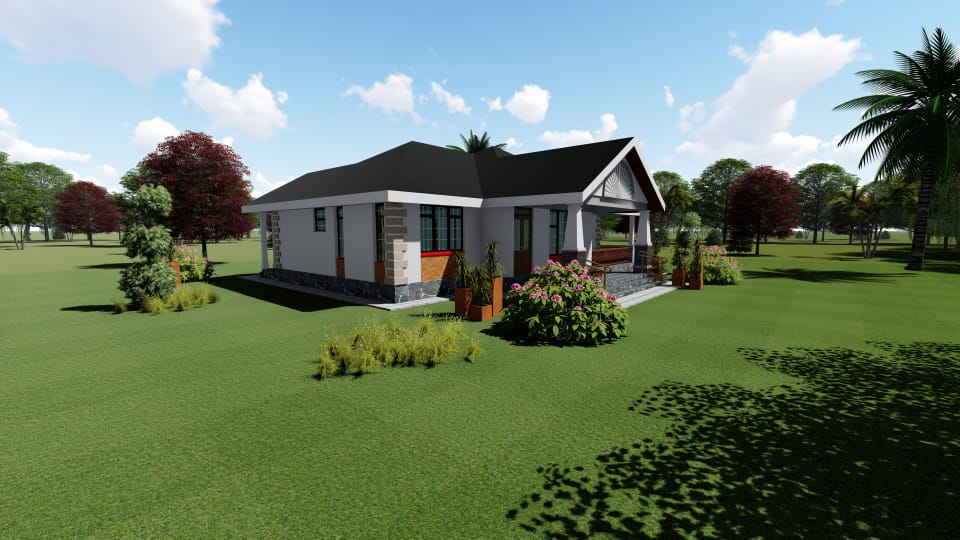
Affordable housing PPPs help manage rapid urbanisation by providing formal, safe, and well-planned housing units. They also support slum upgrading initiatives, transforming informal settlements into organized, livable communities. As a result, residents experience improved living standards, access to services, and enhanced social wellbeing, while cities benefit from more structured urban growth.
Financing Stability for Pension Funds and Institutional Investors
Participation in PPP affordable housing Kenya projects provides pension funds and institutional investors with long-term, stable returns. Structured financing, such as bonds or debt instruments, ensures predictable cash flows while supporting social objectives. This creates a win-win scenario where investors achieve reliable income and the government delivers housing at scale without overextending public funds.
Conclusion: The Future of PPPs in Affordable Housing in Kenya
Summary of Key Take‑Aways
Public-private partnerships housing Kenya are a vital tool for addressing the country’s affordable housing deficit. Successful PPP projects combine government support, private expertise, innovative financing, and effective community engagement. Lessons from past projects highlight the importance of risk-sharing, transparent procurement, and scalability to achieve both financial viability and social impact.
The Role of PPPs in Achieving Kenya’s Housing and Economic Goals
PPPs enable the government to leverage private sector resources to meet national housing targets while stimulating economic growth. They create jobs, strengthen manufacturing, and provide affordable homes for low- and middle-income families. By aligning public objectives with private investment, PPP affordable housing Kenya projects support both social development and financial sustainability.
Call to Action for Government, Private Sector, and Potential Investors
To scale affordable housing in Kenya, the government should continue providing clear policies, land, and incentives. Private developers and financiers are encouraged to explore PPP opportunities, leveraging innovative financing and efficient project execution. Communities and stakeholders must engage actively to ensure social inclusion and long-term success. Collaboration across all parties is essential to transform Kenya’s housing landscape and deliver sustainable, affordable homes.