
Kenyan Real Estate Price Trends 2026
Discover the latest Kenyan Real Estate Price Trends 2026 including property prices in Kenya, investment hotspots, housing market forecasts, risks, and actionable buying/investing guidance. Get expert insights to make profitable decisions in Kenya’s evolving property market.
Introduction
Kenyan Real Estate Price Trends 2026
The Kenyan real estate sector continues to evolve in 2026, with Kenyan real estate price trends 2026 reflecting strong growth in both urban and satellite towns. Factors such as infrastructure expansion, urbanization, and shifting buyer preferences are reshaping property values. This guide highlights property prices in Kenya, top investment hotspots, housing market trends, and strategies for buyers and investors to make informed decisions. It also offers insights on how to navigate risks and seize opportunities in real estate investment Kenya. (Gazebo Homes Ltd)
Quick Snapshot — Key 2026 Market Signals
- Moderate property price appreciation forecast: Prices are expected to grow by 5–15% in key urban and suburban areas, offering solid opportunities for investors. (Gazebo Homes Ltd)
- Satellite towns extending growth: Areas like Ruiru, Juja, and Athi River are showing strong appreciation trends, making them attractive for both residential buyers and investors. (Gazebo Homes Ltd)
- Infrastructure spending boosting property values: Ongoing government and private infrastructure projects are increasing accessibility and demand, directly impacting property prices nationwide. (Serrari Finance)
- Increased diaspora and investor interest: Kenyan nationals living abroad and international investors are increasingly looking to buy property in prime and emerging areas, strengthening demand. (Gazebo Homes Ltd)
- Rising focus on affordable and mid‑market housing: Developers are targeting middle-income buyers with more affordable and smart housing options, reflecting the evolving housing market trends in Kenya. (Gazebo Homes Ltd)
Kenyan Real Estate Price Trends 2026: Market Overview
Macro Drivers Affecting Real Estate Prices
Kenya’s real estate market in 2026 is influenced by several macroeconomic factors. Interest rates, inflation, and GDP growth play a crucial role in determining property prices across the country. Additionally, government policies on housing, taxation, and investment incentives directly impact the buying power of investors and homebuyers. Understanding these macro drivers is essential for anyone planning real estate investment in Kenya.
How Infrastructure Investment Is Shaping Growth
Large-scale infrastructure projects, including highways, metro rails, and new urban developments, are reshaping the Kenyan property landscape. Improved connectivity increases demand in previously underserved areas, raising land and housing values. This trend is particularly evident in satellite towns like Ruiru, Juja, and Athi River, which are experiencing rapid price appreciation due to better accessibility.
Urbanization & Demographic Shifts
Rapid urbanization and population growth are creating increased demand for housing in Kenya’s cities and peri-urban areas. Young professionals and middle-income families are driving demand for affordable and mid-market housing, while luxury developments cater to high-net-worth individuals. Demographic shifts also influence rental demand, shaping both short-term and long-term investment opportunities.
Property Prices in Kenya — Segments & Forecasts
Residential Property Price Forecast
Residential property prices in Kenya are expected to grow moderately in 2026, with an estimated increase of 5–15% in key urban and suburban markets. Nairobi remains the primary hub for high-value residential investments, while satellite towns are attracting first-time buyers and middle-income families. Monitoring these price forecasts helps investors identify opportunities for long-term capital appreciation.
Land Value Trends Across Regions
Land values across Kenya are showing distinct regional variations. Prime urban areas and emerging satellite towns have seen consistent appreciation, while rural regions remain more affordable but less liquid. Investors are increasingly looking at land banking strategies in high-growth corridors to secure future returns.
Rental Price Movements & Yield Expectations
Rental prices are following property price trends, with urban centers commanding higher rents due to demand pressure. Satellite towns are also experiencing rental growth as more residents seek affordable housing near workplaces. Understanding rental yields is essential for evaluating the profitability of real estate investment Kenya.
Top Investment Hotspots for 2026
Nairobi Metropolitan & Prime Suburbs
Nairobi remains the leading investment hub in Kenya, with high demand in prime suburbs such as Westlands, Karen, and Lavington. These areas offer strong capital appreciation and stable rental yields, attracting both local and international investors. The city’s ongoing infrastructure projects, like the Nairobi Expressway and modern residential developments, continue to enhance property values.
Satellite Towns With Strong Appreciation
Satellite towns around Nairobi, including Ruiru, Juja, Athi River, and Kitengela, are emerging as key investment hotspots. Rapid urbanization, improved transport links, and affordable land prices are driving strong property price growth in these areas. Investors seeking high returns with lower initial costs often target these towns for both residential and commercial developments.
Coastal & Holiday Rental Markets
Kenya’s coastal regions, particularly Mombasa, Malindi, and Diani, offer lucrative opportunities for holiday rental investments. Tourism-driven demand ensures steady rental income, while beachfront and serviced apartments continue to appreciate in value. Coastal properties are ideal for investors looking for seasonal rentals and long-term capital gains.

Housing Market Trends Kenya — Demand Dynamics
Affordable & Mid‑Market Housing Trends
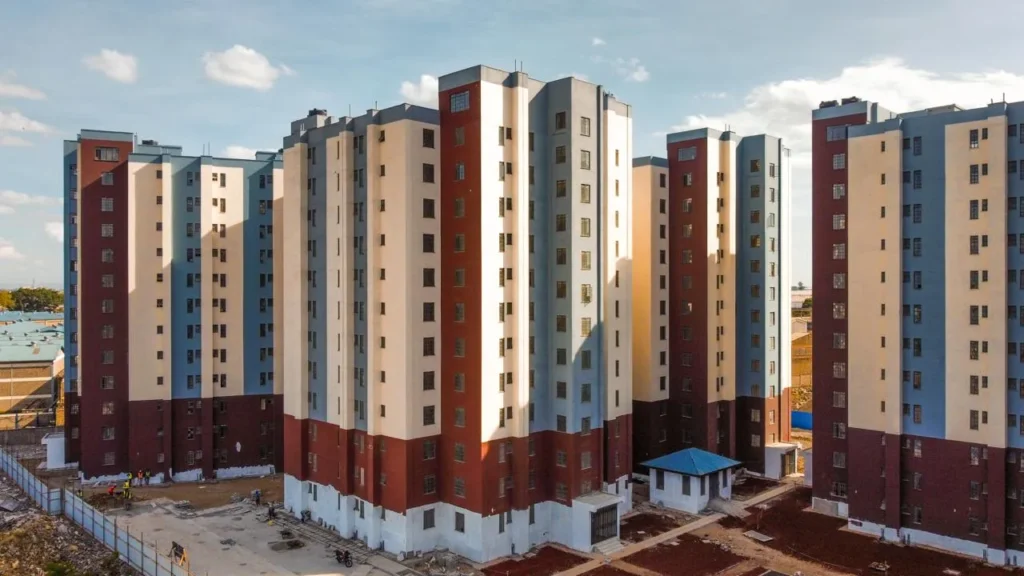
Affordable and mid-market housing remains the fastest-growing segment in Kenya’s property market. Developers are responding to increasing demand from young professionals and middle-income families seeking quality homes at reasonable prices. Government initiatives, such as the Affordable Housing Programme, are further supporting this sector’s growth.
Mixed‑Use & Smart Homes Trend
Mixed-use developments and smart homes are gaining traction, combining residential, commercial, and recreational spaces in a single location. These projects appeal to urban dwellers seeking convenience and modern amenities, driving higher property values in strategic locations. Smart home technology adoption also attracts tech-savvy buyers looking for energy efficiency and security.
Digital Platforms & Buyer Behavior Shift
Digital platforms are transforming how Kenyans buy, sell, and rent property. Online listings, virtual tours, and mobile apps enable buyers to compare prices, explore neighborhoods, and make quicker decisions. This shift is increasing market transparency and influencing demand patterns, especially among younger, tech-enabled buyers.
Real Estate Investment Kenya — Best Strategies
Timing the Market for Maximum ROI
Successful real estate investment in Kenya relies heavily on market timing. Buying during early growth phases in emerging neighborhoods or before major infrastructure projects are completed can significantly increase returns. Investors who track Kenyan real estate price trends 2026 and local demand patterns are better positioned to maximize their ROI.
Land Banking vs Completed Property Investments
Investors have two primary strategies: land banking and purchasing completed properties. Land banking involves acquiring undeveloped plots in high-growth areas, while completed property investment provides immediate rental income and faster capital gains. Both strategies offer unique advantages depending on risk tolerance, investment horizon, and liquidity needs.
REITs & Alternative Property Investment Options
Real Estate Investment Trusts (REITs) and other alternative investment vehicles are gaining popularity in Kenya. REITs allow investors to participate in large-scale developments without the need for direct property ownership. These options provide portfolio diversification, passive income, and access to commercial, residential, and mixed-use properties.

Risks & Market Challenges in 2026
Market Stabilization & Price Corrections
While property prices in Kenya have shown steady growth, some markets are beginning to stabilize. Rapid price increases in certain areas may be followed by minor corrections, affecting short-term investment returns. Awareness of these trends helps investors plan strategically and avoid overpaying for properties.
Financing & Affordability Hurdles
High-interest rates, limited mortgage options, and rising construction costs continue to challenge buyers and investors. Financing availability directly affects real estate investment Kenya decisions, particularly for first-time buyers and small-scale investors. Exploring diverse financing solutions is essential to overcome affordability barriers.
Legal & Title Verification Issues
Investors must exercise due diligence to verify land ownership, zoning, and title documentation. Fraudulent land sales and unclear property titles remain risks in some regions. Proper legal checks and working with licensed agents protect investors and ensure smoother transactions.
Financing Options and Affordability in 2026
Mortgage and Developer Financing Solutions
Financing remains a critical factor for property buyers in Kenya. Mortgages from banks and financial institutions are available but often come with strict eligibility and high-interest rates. Developers are increasingly offering flexible payment plans to help buyers access properties, especially in affordable and mid-market segments. Choosing the right financing solution can significantly affect investment returns and affordability.
Alternative Financing for Investors
Beyond traditional mortgages, investors can explore options like private loans, real estate crowdfunding, and REITs. These alternative solutions allow investors to participate in high-value projects with lower upfront capital. Understanding the terms and expected returns is crucial for making informed investment decisions in Kenya’s evolving market.

Legal Considerations and Due Diligence
Verifying Land Titles and Ownership
Legal verification is essential when buying property in Kenya. Checking land titles, zoning regulations, and ownership history ensures that the property is legitimate and reduces the risk of disputes. Working with licensed conveyancers or property lawyers is highly recommended.
Understanding Regulatory Requirements
Kenya’s property market is regulated by multiple agencies, including the Ministry of Lands and County Governments. Buyers must comply with registration procedures, building permits, and taxation requirements. Awareness of regulatory obligations helps avoid fines and ensures a smooth investment process.

Conclusion
2026 presents significant opportunities for buyers and investors in the Kenyan real estate market. Kenyan real estate price trends 2026 indicate moderate growth across urban centers, satellite towns, and coastal regions. Affordable and mid-market housing, coupled with infrastructure-driven appreciation, creates ideal conditions for both short-term rentals and long-term capital gains.