
Discover how GIS in real estate enhances property mapping, site selection, and location analysis. Learn how spatial planning tools help investors, developers, and agents make smarter decisions.
Introduction
GIS (Geographic Information Systems) in real estate is transforming how property professionals plan, analyze, and make investment decisions. By using advanced spatial planning tools and location analysis, developers, investors, and agents can visualize property data, identify market trends, and make smarter choices. Whether for residential, commercial, or mixed-use developments, GIS in real estate allows for more accurate property mapping and improved decision-making.
With GIS, real estate professionals can reduce risks, save time, and increase the potential for higher ROI. From analyzing demographic patterns to mapping property boundaries, GIS provides actionable insights that traditional methods cannot match. Integrating GIS with other market data and CRM tools ensures a complete view of investment opportunities, helping stakeholders plan and execute projects efficiently.
What Is GIS and How It Works
Definition of Geographic Information Systems (GIS)
A Geographic Information System (GIS) is a technology that allows users to capture, store, analyze, and visualize spatial data. In real estate, GIS helps professionals see the exact location of properties, understand surrounding land use, and analyze patterns such as population density or accessibility. This clarity enables better decision-making for investments and development projects.
Core Components of GIS (Data, Software, Analysis Tools)
GIS relies on three main components: spatial data, software platforms, and analytical tools. Spatial data includes maps, satellite imagery, and property information. Software platforms like ArcGIS or QGIS process this data, while analytical tools allow users to perform tasks such as location analysis, risk assessment, and property trend mapping. Together, these components create actionable insights for real estate planning.
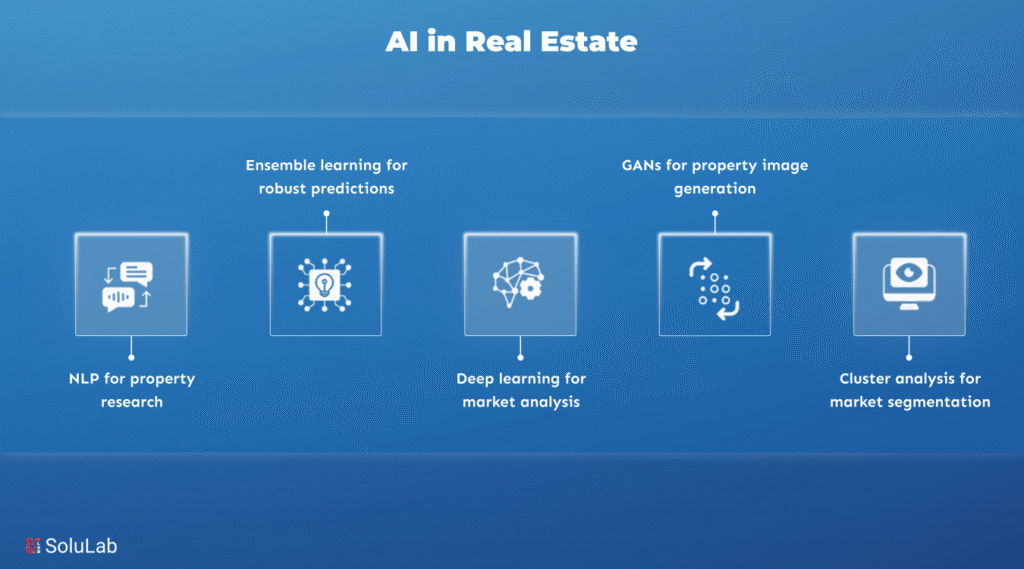
How GIS Integrates Into Real Estate Workflows
GIS integrates into real estate workflows by connecting spatial data with business operations. For example, developers can overlay zoning maps, demographic data, and infrastructure information to evaluate potential sites. Real estate agents and investors can use GIS for marketing, property valuation, and portfolio management, making the workflow more efficient and data-driven.
Benefits of GIS in Real Estate Planning
Enhanced Site Selection with Spatial Planning Tools
GIS enhances site selection by providing spatial planning tools that identify the most suitable locations for development. Factors such as proximity to transport hubs, population density, and nearby amenities can be visualized and analyzed. This allows developers to make informed choices, reduce investment risks, and maximize returns.
Improved Location Analysis for Investment Decisions
Using GIS, investors can perform detailed location analysis by examining property trends, demographic shifts, and market demand in different areas. This data-driven approach helps in selecting high-potential sites, predicting property appreciation, and making smarter investment decisions.
Accurate Property Mapping and Market Insights
GIS allows for precise property mapping that includes boundaries, ownership details, and neighborhood characteristics. Combined with market insights, this mapping helps agents and investors track property values, monitor developments, and visualize opportunities in real time.
Better Risk Assessment and Regulatory Compliance
GIS supports risk assessment by mapping environmental hazards, flood zones, and other potential threats to properties. It also helps ensure compliance with zoning regulations and land-use policies, reducing legal and financial risks for developers and investors.
Portfolio Management and Trend Tracking
Real estate professionals can manage property portfolios efficiently using GIS by tracking trends, monitoring occupancy rates, and analyzing performance across multiple locations. This enables better planning, resource allocation, and long-term investment strategies.

Competitive Advantage Through GIS-Driven Insights
Leveraging GIS-driven insights gives businesses a competitive edge by providing data that guides strategic planning, marketing, and property acquisition. Companies can anticipate market changes, identify high-growth areas, and make decisions that outperform competitors relying on traditional methods.
GIS Tools and Technologies for Real Estate Professionals
Popular GIS Software (ArcGIS, QGIS, MapInfo)
Popular GIS software like ArcGIS, QGIS, and MapInfo allows real estate professionals to analyze spatial data efficiently. These platforms provide features for mapping, site evaluation, and trend analysis, helping users make data-driven decisions. Using these tools, developers and investors can visualize property locations, assess potential, and optimize investments.
Mapping and Visualization Tools (2D & 3D)
Mapping and visualization tools in GIS enable the creation of detailed 2D and 3D property maps. Real estate professionals can explore property layouts, neighborhood structures, and terrain models, which improves understanding of site potential and planning accuracy. These visualizations also aid in marketing properties to potential buyers or investors.
Integration With Real Estate Market Data and CRM Systems
GIS integrates seamlessly with market data and CRM systems, providing a complete overview of property trends and client interactions. This combination allows professionals to track market performance, identify high-demand areas, and personalize client services. Integration ensures that spatial insights translate directly into actionable real estate strategies.
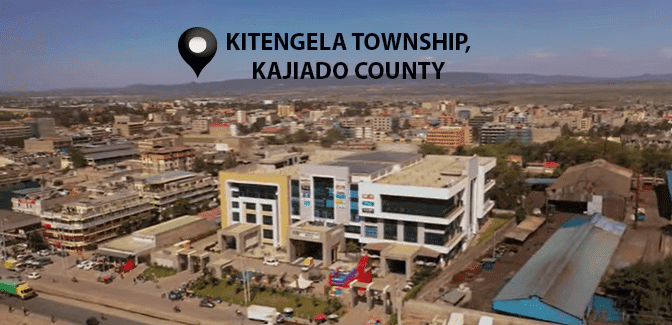
GIS for Site Selection and Location Analysis
GIS in Retail and Commercial Site Selection
GIS helps identify optimal locations for retail and commercial developments by analyzing factors like foot traffic, competition, accessibility, and nearby amenities. Businesses can use this data to select sites that maximize customer reach and profitability. Spatial planning tools reduce risk by providing a clear picture of market potential.
Residential Development Location Analysis
For residential projects, GIS allows developers to evaluate neighborhood demographics, infrastructure, and growth trends. This location analysis helps determine the most desirable areas for new housing, ensuring projects meet market demand and attract buyers or tenants quickly.
Using GIS Heatmaps and Demographic Overlays
GIS heatmaps and demographic overlays visualize population density, income levels, and other key factors across regions. Real estate professionals use these insights to identify high-potential zones, forecast demand, and plan property developments that align with market needs.
GIS in Property Mapping and Portfolio Management
Cadastral and Boundary Mapping
Cadastral and boundary mapping with GIS ensures accurate property delineation, showing precise ownership lines and land parcels. This helps developers, investors, and agents avoid disputes and make informed decisions regarding property acquisition or development. Accurate mapping also supports legal compliance and smooth transaction processes.
Property Valuation Mapping
GIS enables property valuation mapping by integrating spatial data with market trends, sales history, and neighborhood characteristics. Investors and agents can use this information to determine fair market values, identify high-appreciation areas, and make smarter buying or selling decisions. Valuation mapping reduces risk and increases investment confidence.
Portfolio Monitoring and Trend Analysis
GIS allows real estate professionals to monitor property portfolios over time, tracking performance, occupancy, and value trends. By analyzing spatial patterns and market changes, stakeholders can adjust strategies, optimize resources, and plan expansions or sales more effectively. This approach provides a comprehensive view of portfolio health.

Risk Assessment, Zoning, and Compliance Using GIS
Environmental Risk Mapping
GIS helps identify environmental risks such as flood zones, soil erosion, and contamination near properties. Real estate developers and investors can use this information to mitigate risks, plan resilient developments, and ensure safe, sustainable projects. Risk mapping also supports insurance assessments and regulatory reporting.
Zoning and Land Use Compliance
GIS simplifies zoning and land use compliance by overlaying property data with official zoning regulations. Developers can quickly check if a proposed project aligns with local laws, reducing the risk of legal penalties or costly redesigns. This ensures projects proceed smoothly and meet municipal requirements.
Disaster and Hazard Risk Analysis
GIS allows for disaster and hazard risk analysis, including mapping earthquake zones, flood plains, and fire-prone areas. Investors and developers can use these insights to make strategic site selections, design safer buildings, and implement emergency preparedness plans, protecting assets and residents.
GIS Applications in Real Estate Investment
Identifying High-Growth Areas
GIS allows real estate investors to identify high-growth areas by analyzing property trends, infrastructure developments, population growth, and urban expansion. With these insights, investors can strategically acquire properties in locations with the highest appreciation potential, ensuring stronger returns on investment and long-term profitability.
Optimizing Rental and Commercial Yields
Investors can leverage GIS to compare rental rates, occupancy trends, and commercial demand across different neighborhoods. By evaluating this data spatially, investors make informed decisions that maximize rental income and commercial property yields while minimizing vacancy risks.
Predicting Market Trends
GIS integrates demographic, economic, and property transaction data to forecast future real estate market trends. Investors and developers can use these predictive insights to plan acquisitions, developments, or sales strategically, reducing risks and capitalizing on emerging opportunities.
GIS for Real Estate Marketing and Client Engagement
Interactive Property Maps for Clients
GIS enables the creation of detailed, interactive property maps that show locations, nearby amenities, transport links, and neighborhood highlights. These maps enhance presentations for buyers and tenants, making it easier for them to understand the property’s value and surroundings.
Data-Driven Marketing Strategies
By analyzing spatial data and demographic trends, real estate professionals can design marketing campaigns targeted to areas with high demand or specific client segments. This data-driven approach improves campaign effectiveness, attracts qualified buyers, and increases conversion rates.
Enhancing Client Decision-Making
GIS visualizations provide clients with clear insights into property potential, neighborhood dynamics, and accessibility. This transparency builds trust, helps clients compare options easily, and accelerates decision-making for purchases, rentals, or investments.
Conclusion
GIS in real estate is a critical tool for property mapping, location analysis, and strategic decision-making. Professionals who leverage GIS gain a competitive advantage in site selection, investment planning, portfolio management, and risk mitigation. By integrating spatial planning tools and market data, GIS ensures smarter, faster, and more profitable real estate decisions.