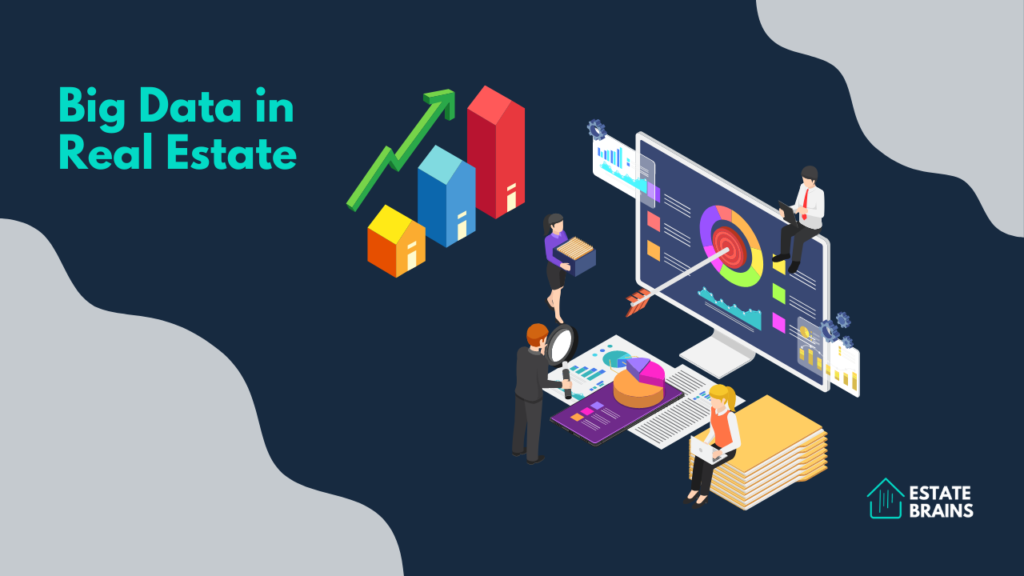
Big Data In Real Estate
Learn how big data transforms real estate analysis, management, and investment using predictive tools, dashboards, and data-driven strategies
Introduction
Big Data In Real Estate is changing how investors, developers, and property managers make decisions. Instead of relying on guesswork, professionals now use real-time property data, predictive analytics, and automated valuation tools to achieve smarter pricing, lower risk, and higher returns.
Today, the use of Big Data in property analysis helps identify high-demand locations, forecast rental income, and spot investment opportunities faster. From tenant behavior tracking to ROI forecasting dashboards, Big Data In Real Estate supports every stage of property decision making, giving buyers and managers a clear competitive edge.
Understanding Big Data In Real Estate and Its Core Properties
Definition of Big Data In Real Estate
Big Data In Real Estate refers to the collection and analysis of massive property datasets such as prices, locations, tenant behavior, and market trends to support smarter property decisions. Unlike basic spreadsheets, this approach combines structured and unstructured data to improve valuation accuracy, demand forecasting, and investment timing. The use of Big Data allows professionals to replace assumptions with real-time insights that guide property analysis and investment strategies.
Properties of Big Data (Volume, Velocity, Variety, Veracity, Value)
The properties of Big Data explain why it is so powerful in property decision making. Volume represents large datasets, Velocity refers to real-time updates, Variety covers multiple data types, Veracity ensures accuracy, and Value turns raw data into actionable insights. Together, these properties support advanced property analytics, automated valuation models, and predictive investment tools used across modern real estate.
Main Data Sources Used in Property Decision Making
The use of Big Data in property analysis relies on diverse data sources such as listing platforms, transaction records, satellite imagery, demographic statistics, IoT building sensors, and online search trends. These inputs help investors understand neighborhood demand, rental performance, and future growth potential. When combined, they create a full market picture that supports smarter pricing and reduced investment risk.
How Big Data Differs from Traditional Property Research
Traditional property research depends on manual comparisons and historical reports, which often arrive too late. Big Data In Real Estate replaces this with automated insights, live dashboards, and predictive models that highlight opportunities instantly. This shift enables faster decisions, stronger ROI forecasting, and more accurate property valuation than conventional methods.
The Use of Big Data in Property Analysis
Market Trend Forecasting and Demand Mapping
Market trend forecasting uses Big Data to identify rising neighborhoods, shifting buyer demand, and rental growth patterns before they become obvious. By analyzing historical transactions and live market signals, investors can spot opportunities early and avoid declining areas. This use of Big Data in property decision making supports smarter entry timing and long-term portfolio planning.
Automated Valuation Models and Pricing Accuracy
Automated valuation models apply Big Data algorithms to estimate property values using comparable sales, location data, and market activity. These tools reduce human error and deliver consistent pricing recommendations for buyers, sellers, and lenders. As a result, Big Data In Real Estate improves negotiation outcomes and strengthens investment confidence.
Location Intelligence and Neighborhood Scoring
Location intelligence combines mapping technology with demographic and economic data to score neighborhoods based on livability and investment potential. This helps investors compare areas quickly and prioritize high-performing zones. The use of Big Data in property investment makes site selection faster, more accurate, and less emotional.
Risk Modeling and Predictive Property Performance
Risk modeling uses Big Data to evaluate vacancy rates, price volatility, and future demand before capital is committed. Predictive analytics then estimate how properties may perform under different market conditions. This approach lowers exposure to poor investments and supports safer, data-backed property decisions.
Use of Big Data in Property Management
Predictive Maintenance and Operational Efficiency
Predictive maintenance analyzes equipment data and building sensors to identify issues before failures occur. Property managers reduce repair costs, avoid downtime, and improve tenant satisfaction by acting early. This practical use of Big Data in property management also extends asset life and boosts operational efficiency.
Tenant Screening, Retention, and Behavioral Analytics
Big Data evaluates tenant applications using financial history, occupancy patterns, and behavioral signals to improve screening accuracy. Ongoing analytics also help managers understand tenant needs and reduce turnover. These insights support higher occupancy rates and more stable rental income.
Dynamic Rent Pricing and Occupancy Optimization
Dynamic pricing tools adjust rent based on demand, seasonality, and local competition using real-time data. This allows landlords to maximize revenue while maintaining healthy occupancy levels. Big Data In Real Estate makes rental strategy flexible, responsive, and profit-driven.
Energy Usage Analytics and Smart Building Integration
Energy analytics track electricity and water usage to identify waste and improve sustainability. When combined with smart building systems, property managers gain automated control over lighting, climate, and security. This use of Big Data supports cost savings while enhancing tenant comfort.
The Use of Big Data in Property Investment Decision Making
Investment Heatmaps and ROI Forecasting
Investment heatmaps use Big Data to visualize high-demand zones, rental growth areas, and price appreciation hotspots on interactive maps. When combined with ROI forecasting models, investors can estimate future cash flow, capital gains, and risk exposure before committing funds. This use of Big Data in property investment helps prioritize profitable locations while avoiding underperforming markets.
Portfolio Optimization and Asset Allocation
Big Data In Real Estate supports portfolio optimization by comparing asset performance across locations, property types, and income levels. Advanced analytics recommend how to balance residential, commercial, and mixed-use properties to reduce risk and stabilize returns. This data-driven asset allocation approach allows investors to scale portfolios strategically instead of relying on intuition.
Buyer Personas, Demand Signals, and Exit Timing
Buyer personas are built using behavioral data, demographics, and online search activity to understand who is most likely to purchase or rent specific properties. Demand signals such as viewing trends and inquiry volumes then guide exit timing, helping owners sell when market interest peaks. The use of Big Data in property decision making ensures exits are planned around real demand rather than market speculation.
Tools, Platforms, and Integration Workflows
Popular Big Data Platforms for Real Estate Professionals
Modern real estate professionals rely on Big Data platforms that combine valuation tools, mapping software, predictive analytics, and reporting dashboards in one system. These platforms simplify property analysis, investment modeling, and property management workflows. By centralizing insights, Big Data In Real Estate becomes accessible even to small investors and agencies.
How to Integrate Big Data with CRM, GIS, and ERP Systems
Integrating Big Data with CRM systems improves lead tracking, while GIS platforms enhance location intelligence and ERP tools streamline financial operations. This connected workflow allows teams to manage properties, clients, and investments from a single data ecosystem. The result is faster decision making, reduced manual work, and better visibility across the entire property lifecycle.
The Use of Big Data in Property Decision Making PDF and Dashboards
Many firms now package analytics into downloadable PDFs and live dashboards for reporting, investor presentations, and internal reviews. These resources summarize performance metrics, ROI forecasts, and market insights in clear visual formats. Providing a Big Data in property decision making PDF also supports client engagement and improves transparency.

Challenges, Compliance, and ROI Measurement
Data Quality, Privacy, and Regulatory Compliance
Poor data quality can lead to inaccurate forecasts, while privacy regulations require careful handling of tenant and financial information. Real estate firms must implement validation processes and comply with data protection laws to maintain trust and legal compliance. Addressing these issues ensures Big Data In Real Estate delivers reliable and ethical insights.
Implementation Costs and Change Management
Adopting Big Data systems involves software costs, staff training, and workflow changes that may slow early adoption. Successful firms manage this transition by starting small, aligning teams, and scaling gradually. A structured change strategy helps unlock long-term gains from Big Data-driven property analysis.
Measuring ROI from Big Data Real Estate Strategies
ROI measurement focuses on reduced vacancies, improved pricing accuracy, faster deal cycles, and lower operating costs. Performance metrics reveal whether Big Data tools are delivering real financial value across property investment and management. Tracking these outcomes ensures analytics investments remain aligned with business goals.

Conclusion
Big Data In Real Estate empowers smarter property analysis, optimized management, and higher-return investment decisions by replacing assumptions with real-time insights. From pricing accuracy to predictive maintenance, the use of Big Data in property decision making helps professionals reduce risk, improve efficiency, and uncover profitable opportunities faster.
As adoption grows, firms that embrace Big Data In Real Estate gain measurable advantages in portfolio performance, tenant retention, and ROI forecasting. Whether you are an investor, developer, or property manager, data-driven strategies are now essential for staying competitive in today’s property market.