House Designs in Kenya Photos
Explore 50 stunning house designs in Kenya with full photo galleries, realistic cost estimates and practical building tips — from budget bungalows to luxury maisonettes.
Introduction
House Designs in Kenya Photos
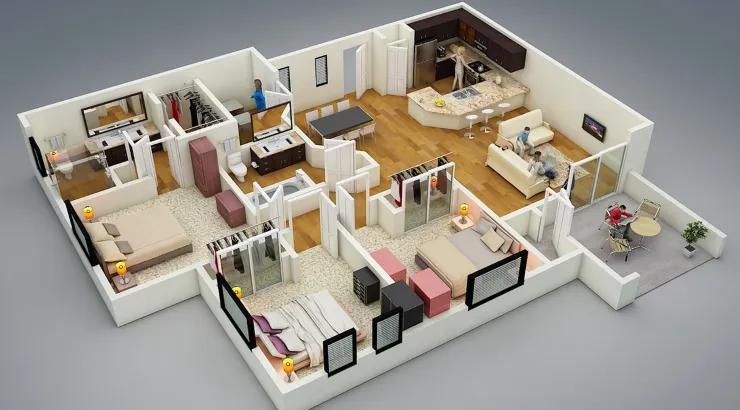
House Designs in Kenya Photos: 50 Stunning Examples with Costs are becoming increasingly popular as more Kenyans seek practical inspiration for their dream homes. With rising construction prices and limited space in urban areas, many homeowners are looking for guidance on affordable, modern, and stylish house designs.
Understanding Housing Needs in Kenya
Why design matters — urban vs rural, plot constraints, evolving lifestyle
Design is a crucial factor when building a home in Kenya because it directly affects comfort, cost, and long-term usability. Urban areas often have smaller plots, requiring compact maisonette or flat-roof designs, while rural homes may have space for larger bungalows and more open layouts. Lifestyle changes, such as growing families or work-from-home needs, also influence the type of house a family chooses. Choosing the right design ensures efficient use of space and meets both practical and aesthetic requirements.
Impact of budget, materials, and finishes on style and cost
Your budget plays a major role in determining the house design you can afford. Affordable house designs in Kenya often use local materials and simple finishes to reduce costs without compromising durability. High-end modern homes, on the other hand, incorporate premium materials, custom finishes, and additional amenities such as balconies or solar installations. By understanding the impact of materials and finishes on overall costs, homeowners can make informed decisions and avoid overspending.
How rising construction costs in Kenya shape design decisions (per‑m² cost variations 2024–2025)
Construction costs in Kenya have increased significantly in 2024–2025, affecting all types of house designs. The cost per square metre varies depending on location, type of design, and quality of materials. For example, urban builds in Nairobi may cost more per square metre than rural homes due to higher labour and material prices. Being aware of these cost variations helps homeowners plan realistic budgets and choose house designs that align with both financial constraints and desired aesthetics.
Common House Types in Kenya — Pros, Cons & Suitability
Bungalows (1–3 bedrooms) — for small plots / first homes
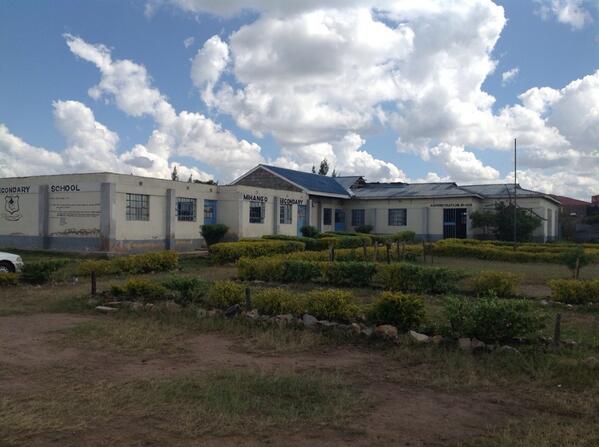
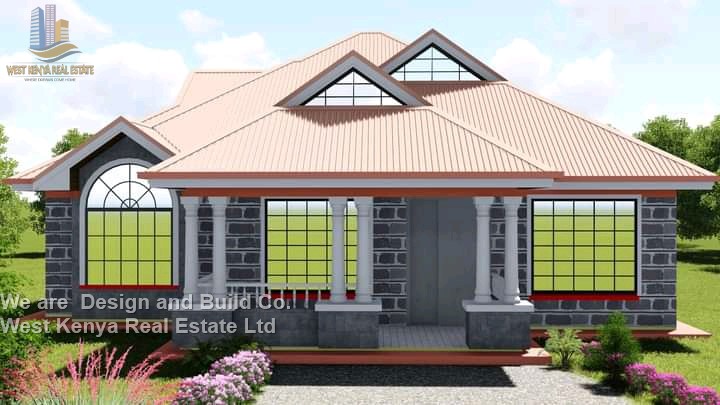
Bungalows are one of the most popular house designs in Kenya, especially for small plots or first-time homeowners. They are usually single-storey, making them easy to build and maintain. Their compact design allows for efficient use of space, and they can be expanded in the future if the plot allows.
Advantages:
- Lower construction costs compared to multi-storey homes
- Simple maintenance and repairs
- Ideal for small families or couples
Disadvantages:
- Limited living space if the family grows
- Less privacy compared to multi-storey maisonettes
Maisonettes (2‑storey homes) — for growing families / plot-efficient builds
Maisonettes are two-storey homes that are ideal for growing families and for maximising small urban plots. They provide extra living space without requiring more land and often include balconies, multiple bedrooms, and additional bathrooms.
Advantages:
- Space-efficient for urban areas
- More privacy and separate living zones
- Can increase resale value
Disadvantages:
- Higher construction costs than bungalows
- Maintenance may be more complex
Flat-roof & Modern-style Houses — contemporary look, urban appeal
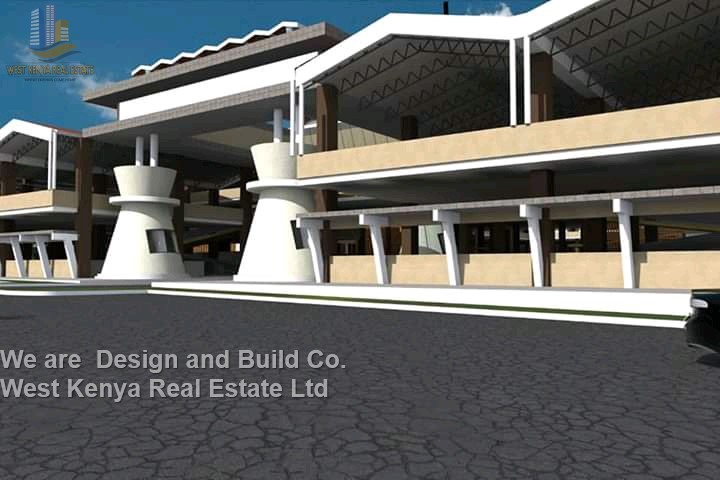
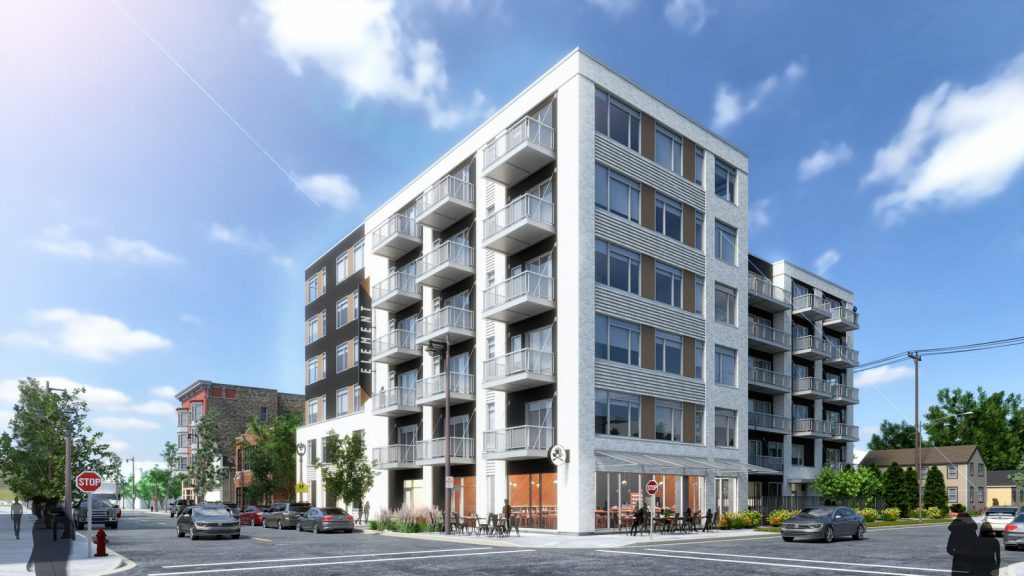
Flat-roof and modern-style houses are gaining popularity in Kenya, particularly in cities like Nairobi and Mombasa. They feature clean lines, open-plan layouts, and modern finishes. Flat roofs can also be used for terraces or solar installations, adding functional value.
Advantages:
- Contemporary and stylish appearance
- Suitable for rooftop utilities like solar panels
- Can be customised for urban plots
Disadvantages:
- May require more maintenance on roofs
- Higher costs for modern materials and finishes
Hybrid & Custom Designs — mixing affordability with modern finishes
Hybrid and custom house designs combine traditional structures with modern aesthetics. This approach allows homeowners to balance cost efficiency with stylish finishes. Hybrid designs may include flat roofs, modern interiors, and classic bungalows blended in one property.
Advantages:
- Tailored to individual lifestyle and budget
- Can combine durability with style
- Flexibility in design and layout
Disadvantages:
- Requires professional design expertise
- May take longer to complete due to customisations
Larger 4+ bedroom homes / Mansions — for premium budgets and bigger plots
Larger homes, including 4+ bedroom houses and mansions, are perfect for premium plots or high-income homeowners. These designs often include multiple living areas, spacious kitchens, landscaped gardens, and luxury finishes. They are ideal for families wanting comfort, space, and prestige.
Advantages:
- High comfort and multiple amenities
- Suitable for large families or dual living
- Potentially high resale value
Disadvantages:
- Expensive to build and maintain
- Requires larger plots of land
Sample Designs with Photos & Estimated Costs (50 Examples)
Budget-Friendly Starter Homes (small bungalows, 1–2 beds) — images + cost range
Budget-friendly starter homes are perfect for first-time homeowners or investors seeking affordable builds. They typically include 1–2 bedrooms, a small living area, and a compact kitchen. These designs use local materials and cost-effective finishes to keep construction costs low.
Compact 3-bedroom Bungalows & Maisonettes — photos + cost range
Compact 3-bedroom homes are ideal for small families or urban plots. They offer more living space than starter homes but remain affordable. Maisonettes in this category provide additional floors, which can include extra bedrooms, bathrooms, or a small balcony.
Standard 3-bedroom Maisonettes (urban/suburban) — photos + cost range
Standard 3-bedroom maisonettes are a popular choice in Kenyan suburbs. They balance affordability with functionality and can include modern finishes, open-plan living, and adequate outdoor space. Many homeowners prefer this design for both urban and semi-urban plots.
4-Bedroom Bungalows & Maisonettes — photos + cost bands
4-bedroom houses, whether bungalows or maisonettes, cater to larger families. These homes provide more bedrooms, larger living areas, and additional amenities such as a dining room or servant quarters. They are suitable for plots of medium to large size and can be customised according to the family’s needs.
Modern / Flat-Roof / Contemporary Homes (3–4 beds or more) — photos + cost range
Modern and contemporary homes with flat roofs offer stylish urban living. These designs often include open-plan kitchens, living areas, terraces, and modern facades. They are ideal for homeowners seeking a modern aesthetic while maximising plot usage.
Premium / Large Homes (mansions, country-style houses) — photos + cost
Premium homes or mansions are designed for luxury and comfort. These houses often feature multiple bedrooms, large living areas, landscaped gardens, and high-end finishes. They are best suited for large plots and high-budget homeowners seeking exclusivity and long-term investment.
What Determines the Cost of Building a House in Kenya
Size and layout (square metres, number of floors, bedrooms)
The overall size and layout of your house are among the most significant factors affecting construction costs in Kenya. A larger home with more square metres, multiple floors, or additional bedrooms naturally requires more building materials, labor, and time to complete. For example, a compact 2-bedroom bungalow may only need basic materials and a few weeks of labor, whereas a 4-bedroom multi-storey maisonette will involve higher-quality materials, more structural work, and longer construction periods. Understanding how size and layout impact the overall cost helps homeowners plan realistic budgets and choose house designs that fit their financial capacity.
Finishing quality — standard vs premium vs luxury finishes (affects per‑m² cost)
The quality of finishes plays a critical role in determining the per‑square‑metre cost of a house. Standard finishes, such as local tiles, basic plumbing fixtures, and simple paint, keep costs manageable and are ideal for budget-conscious homeowners. Premium finishes, like imported tiles, granite countertops, designer fittings, or laminated cabinetry, can significantly increase the total cost. Luxury finishes, including custom woodwork, modern lighting systems, and high-end fittings, push costs even higher. Choosing the right level of finishes allows homeowners to balance aesthetics, durability, and overall budget.
Plot size, location & infrastructure (urban vs rural, soil, access)
The location, size, and infrastructure of your plot have a major impact on construction costs. Urban areas like Nairobi and Mombasa usually command higher prices due to expensive land, labour, and material transportation costs. In contrast, rural or peri-urban areas may offer lower land prices and cheaper labour, but additional costs could arise from poor road access or the need for specialised foundation work in challenging soil conditions. Plot size also determines the type of house you can build; larger plots allow for expansive layouts, while smaller plots may require compact or multi-storey designs.
Labour, professional fees, regulatory costs (permits, approvals)
Building a house in Kenya involves not just materials but also labor, professional fees, and regulatory expenses. Skilled labor costs vary by region and project complexity, while architects, quantity surveyors, and contractors charge fees for their expertise. Additionally, obtaining building permits, environmental approvals, and other county-level regulatory approvals adds to the total cost. Factoring in these expenses during budget planning prevents unexpected financial challenges during construction.
Extra features (DSQ, balconies, solar panels, modern amenities)
Additional features significantly affect a house’s overall cost and functionality. Domestic staff quarters (DSQ), balconies, solar panels, landscaped gardens, or modern amenities such as built-in wardrobes and high-tech kitchens all contribute to increased construction costs. While these features enhance comfort, lifestyle, and potential resale value, homeowners should budget for them separately to avoid overspending. Including such extras requires careful planning and professional guidance to ensure both structural safety and cost-effectiveness.

Regional Cost Variations in Kenya (2024–2025)
Typical per‑square‑metre rates in major regions (e.g., Nairobi / Mt Kenya, Coast, Western/Nyanza) based on latest data
Construction costs per square metre vary widely across Kenya due to differences in labor, materials, and regional infrastructure. In 2024–2025, standard homes in Nairobi typically range from KES 50,000 to KES 75,000 per m², reflecting higher labour and material costs. In the Mt. Kenya region and Coastal areas, prices are slightly lower, averaging KES 45,000–65,000 per m², while Western and Nyanza regions offer even more affordable rates for similar quality homes. Understanding these regional variations helps homeowners select house designs and budgets that fit their chosen location.
What these rates mean for different house types (bungalow, maisonette, luxury home)
Regional rates directly influence what type of house a homeowner can afford. For instance, a 120 m² bungalow with standard finishes may be comfortably built within a lower-budget range in Western Kenya, but the same house in Nairobi may cost significantly more. Similarly, a multi-storey 3-bedroom maisonette or a luxury 4+ bedroom home will require careful consideration of both location and materials to avoid exceeding budget. Matching house type with realistic regional cost estimates ensures your project remains financially feasible.
How inflation and market pressures are affecting construction costs
Rising inflation and fluctuations in material prices have a strong impact on building costs in Kenya. Cement, steel, timber, and imported fixtures have seen steady price increases in 2024–2025, making accurate budgeting more challenging. Labour costs are also rising, particularly in urban areas where demand is higher. Homeowners need to factor in these market pressures to prevent cost overruns and project delays. Planning with current inflation-adjusted per-square-metre estimates is essential for realistic budget management.
Budget Planning — What to Expect for Different Budgets
Low‑budget builds (< ~KES 2–4 M) — realistic expectations for small bungalows / starter houses
Low-budget builds in Kenya typically range from KES 2–4 million and are suitable for small bungalows or starter houses. These homes usually include 1–2 bedrooms, a living area, a kitchen, and a bathroom. Expect simple finishes, locally sourced materials, and compact layouts. While affordable, low-budget homes may have limited features and require careful planning to avoid compromising quality.
Tips for low-budget builds:
- Focus on essential rooms and avoid unnecessary extensions
- Use durable but cost-effective materials
- Plan for future expansion if finances allow
Medium‑budget houses (KES 4 M–10 M) — modest 2–3 bed bungalows or maisonettes
Medium-budget homes are ideal for growing families looking for comfort without overspending. With budgets between KES 4–10 million, you can build modest 2–3 bedroom bungalows or maisonettes with better finishes, more spacious layouts, and possibly a balcony or small garden. These homes often balance cost, quality, and aesthetics, making them practical for urban or suburban plots.
Mid‑upper budget (KES 10 M–20 M) — 3–4 bed maisonettes or modern houses with good finishes
Mid-upper budget homes allow for larger designs, including 3–4 bedroom maisonettes or modern-style houses with premium finishes. These homes often include open-plan kitchens, additional bathrooms, balconies, or small domestic staff quarters (DSQ). This budget range provides flexibility in design, higher-quality materials, and more attention to detail.
High‑end luxury builds (KES 20 M+) — large homes, luxury finishes, custom designs / mansions
High-end luxury builds start at KES 20 million and above. These homes are typically 4+ bedroom houses, mansions, or custom-designed properties with high-quality finishes, landscaped gardens, large living areas, and luxury amenities. They are suited for homeowners seeking comfort, style, and long-term investment value.
Practical Tips Before You Build in Kenya
Work with a licensed architect / quantity surveyor / contractor
Hiring licensed professionals ensures that your project meets safety standards and legal requirements. Architects help create functional and aesthetically pleasing designs, quantity surveyors provide accurate cost estimates, and experienced contractors manage construction efficiently. Using qualified professionals reduces mistakes, delays, and unexpected costs.
Get accurate plot sizing, do soil tests, and comply with zoning laws
Before construction, it is essential to measure your plot accurately, perform soil tests, and comply with local zoning laws. These steps determine the type of foundation required, the building’s layout, and any limitations on height or setbacks. Ignoring these processes can lead to structural issues or legal complications.
Choose realistic finishes based on your budget & long‑term maintenance costs
Selecting finishes that match your budget helps avoid overspending while ensuring long-term durability. Opt for finishes that are affordable, locally available, and easy to maintain. Avoid over-investing in luxury materials if your budget does not allow, as this can strain finances and delay the project.
Plan for phased builds — start simple, expand as finances allow
Phased construction allows you to build essential structures first and add extensions later as finances permit. For example, start with a basic 2-bedroom bungalow, then add a balcony, DSQ, or extra rooms over time. Phased builds help manage cash flow and ensure that each stage is completed properly.
Consider sustainability — use climate‑appropriate design (ventilation, flat‑roof use, solar)
Sustainable designs reduce long-term costs and improve comfort. Incorporate natural ventilation, flat roofs for solar panel installation, and rainwater harvesting where possible. These climate-appropriate solutions help lower energy bills, improve indoor comfort, and add value to your home.
How to Use This Article Effectively (Navigation & Planning Guide)
Browsing by budget
You can use this article to quickly find house designs that fit your financial plan. Each section categorises homes by budget range — low, medium, mid-upper, and high-end — so you can easily focus on designs that are realistic for your available funds. This approach helps save time and prevents considering homes that may be beyond your means.
Browsing by house type / size
The gallery and examples are also organized by house type and size. Whether you are interested in bungalows, maisonettes, flat-roof modern homes, or large mansions, you can navigate to the designs that match your plot size and family needs. This makes it easier to compare layouts, amenities, and space efficiency.
Saving or bookmarking designs for reference
As you browse through the 50 house design examples, it is useful to save or bookmark the designs that appeal to you. This way, you can reference them later when discussing your plans with architects, contractors, or family members. Keeping a collection of your preferred designs also helps you clarify your style and functional priorities.
Consulting a professional with your preferred designs
Once you have selected a few designs that fit your budget, size, and aesthetic preferences, it is important to consult a licensed architect or quantity surveyor. They can help tailor the design to your plot, ensure regulatory compliance, estimate accurate costs, and advise on practical modifications. Professional input ensures your project is realistic, safe, and cost-effective.
Conclusion
House Designs in Kenya Photos: 50 Stunning Examples with Costs provide valuable inspiration for homeowners looking to build in 2024–2025. The key takeaways include:
- Matching your house design to your budget while balancing cost versus quality
- Understanding how factors such as plot size, finishes, labour, and extra features influence total cost
- Using the gallery and cost data to guide planning, while always verifying estimates with professionals
This article serves as a comprehensive reference to inspire your dream home, but it is essential to work with architects, surveyors, and contractors to get precise costs and feasible designs for your specific plot and needs.