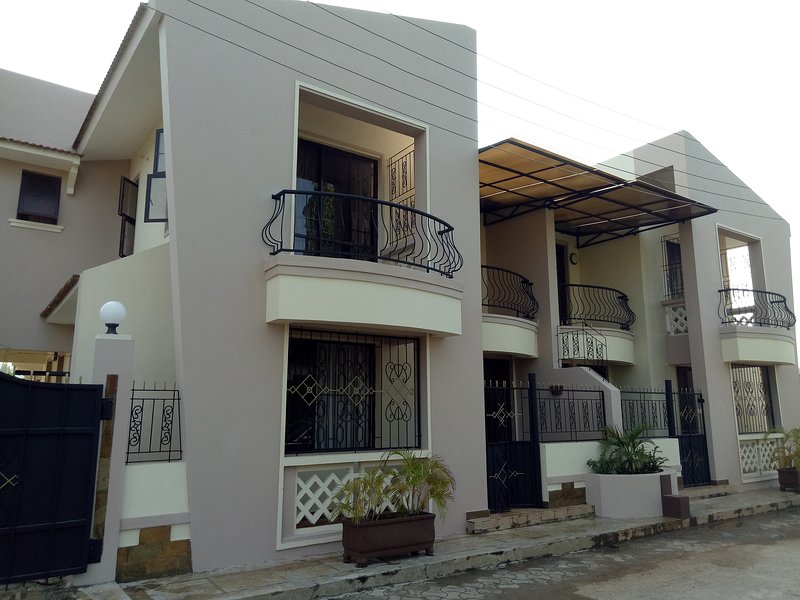
Understand the impact of apartment oversupply in Kenya — explore regional demand vs supply, pricing trends, rental yields, and investment opportunities. Get insights for buyers, renters, and investors in Nairobi, Mombasa, and other key markets.
Introduction
Kenya’s urban housing market is evolving rapidly, with apartments flooding the market in some areas while demand remains strong in others. Understanding apartment oversupply in Kenya is essential for buyers and investors who want to make smart, profitable decisions.
Urbanisation, infrastructure growth, and a construction boom have pushed more apartments into the market, particularly in Nairobi, Mombasa, and other key cities. However, not all segments are equally affected — while luxury apartments may experience high vacancies, affordable housing continues to see steady demand.
Kenya’s Apartment Market Overview
Kenya’s apartment market has grown rapidly over the past decade due to urbanisation, rising middle-class income, and major infrastructure projects. Understanding regional variations and housing segments is crucial for buyers and investors who want to identify high-demand areas and avoid oversupplied markets. Proper analysis helps make smarter investment and purchasing decisions while minimising risk.
Nairobi Core vs Satellite Towns
Nairobi’s central neighbourhoods, including Westlands, Kilimani, and Kileleshwa, have experienced a construction surge over the past few years. These areas offer modern apartments with high-end amenities, but oversupply has slowed sales and increased vacancies, particularly in the luxury segment. Rental growth has also plateaued, making negotiation essential for buyers and investors. Satellite towns like Ruaka, Kitengela, and Athi River are seeing steady apartment absorption because of more affordable pricing and improved transport links such as roads and commuter rail. These towns are increasingly attractive to middle-income earners and investors looking for stable returns.
Secondary Cities (Mombasa, Nakuru, Kisumu)
Secondary cities like Mombasa, Nakuru, and Kisumu have growing apartment markets, although construction is slower compared to Nairobi. Demand is concentrated near commercial centers, transport hubs, and educational institutions, making certain neighbourhoods highly desirable for renters and buyers. These cities offer opportunities for investors seeking lower competition and steady rental yields. By targeting areas with high occupancy and limited supply, investors can secure properties with better long-term returns.
Affordable vs Luxury Apartments
Affordable apartments continue to enjoy strong demand, particularly from middle-income earners and first-time buyers. These units are absorbed quickly, and rental yields remain relatively stable even in markets where luxury apartments experience oversupply. Luxury apartments, especially in Nairobi’s core areas, are more susceptible to high vacancies and slower sales. Investors and buyers must evaluate occupancy rates, long-term rental potential, and price trends before investing in high-end units.
Understanding Apartment Oversupply
Apartment oversupply in Kenya occurs when the number of apartments exceeds current demand, leading to slow sales, rising vacancies, and downward pressure on rental yields and prices. Recognising oversupply trends helps buyers and investors make strategic decisions and avoid low-performing markets.
Signs of Oversupply
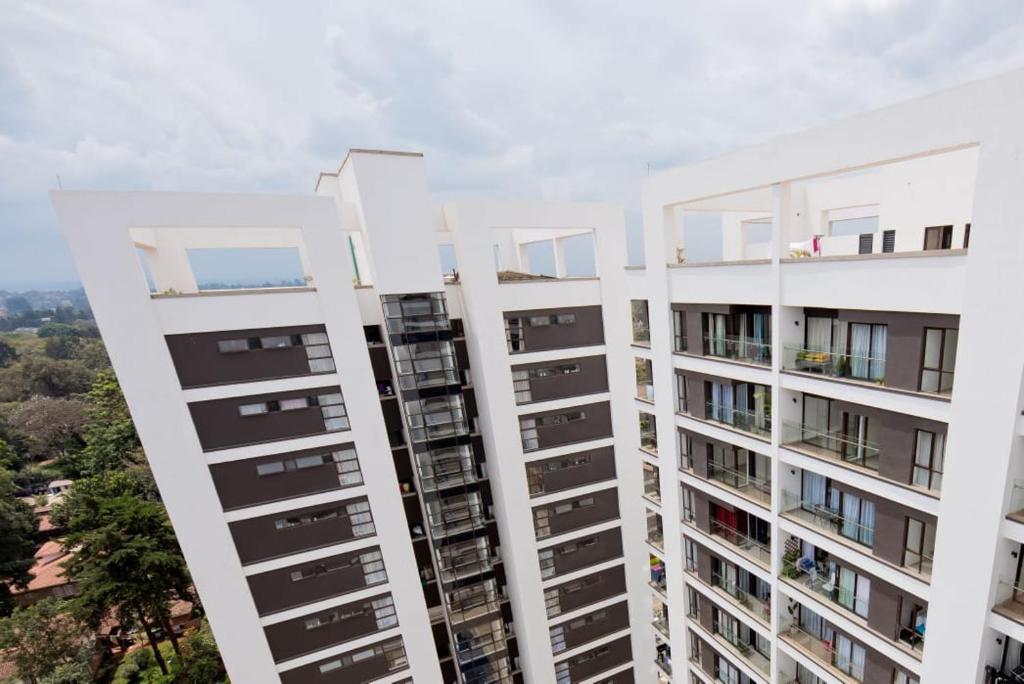
Oversupply is evident through key indicators such as high vacancy rates, longer times-on-market, frequent price reductions, and developer incentives like rent-free periods or flexible payment terms. These signals are most noticeable in luxury apartments in Nairobi’s core neighbourhoods. Investors should carefully track these signs to avoid purchasing in areas where demand is lower than supply, which can negatively impact returns.
Effects on Buyers and Investors
For buyers, oversupply can create bargaining power, allowing for lower purchase prices and favorable financing terms. For investors, oversupply can reduce rental yields, increase vacancy risk, and slow down capital appreciation, particularly in oversaturated luxury segments. Understanding these effects helps investors and buyers identify where to buy and which properties to avoid, ensuring better long-term profitability.
Market Segments Most Affected
Luxury apartments in Nairobi’s core neighborhoods are the most vulnerable to oversupply, while affordable apartments and units in satellite towns continue to experience steady demand. Knowing which segments are oversupplied allows buyers and investors to focus on high-demand properties, minimising the risk of vacancies and slow returns.
Investors should carefully analyse occupancy trends, pricing patterns, and regional demand before making a purchase decision.
Demand vs Supply: Regional & Segment Analysis
Understanding the balance between apartment demand vs supply in Kenya is crucial for investors and buyers. Oversupply in certain segments and regions can affect prices, rental yields, and occupancy rates, while high-demand areas offer profitable opportunities. Analysing demand and supply at a regional and segment level allows for informed investment decisions.
Nairobi Core vs Satellite Towns
In Nairobi’s core neighbourhoods like Kilimani, Westlands, and Kileleshwa, apartment supply has surged over the last few years. Oversupply in these areas has caused slower absorption rates and longer vacancy periods, particularly in the luxury apartment segment. Satellite towns, including Ruaka, Kitengela, and Athi River, continue to experience strong demand due to more affordable pricing, better infrastructure, and expanding transport links. Investors who focus on these satellite towns can benefit from higher occupancy and stable rental returns.
Affordable vs Luxury Apartments
Affordable apartments in Nairobi and satellite towns continue to see high demand from middle-income earners and first-time buyers. These units are absorbed quickly, and rental yields remain stable even in markets with oversupply. Luxury apartments, however, face higher vacancy rates in Nairobi’s central neighbourhoods due to oversupply. Buyers and investors must consider occupancy trends, long-term rental potential, and pricing before investing in high-end units.
Secondary Cities (Mombasa, Nakuru, Kisumu)
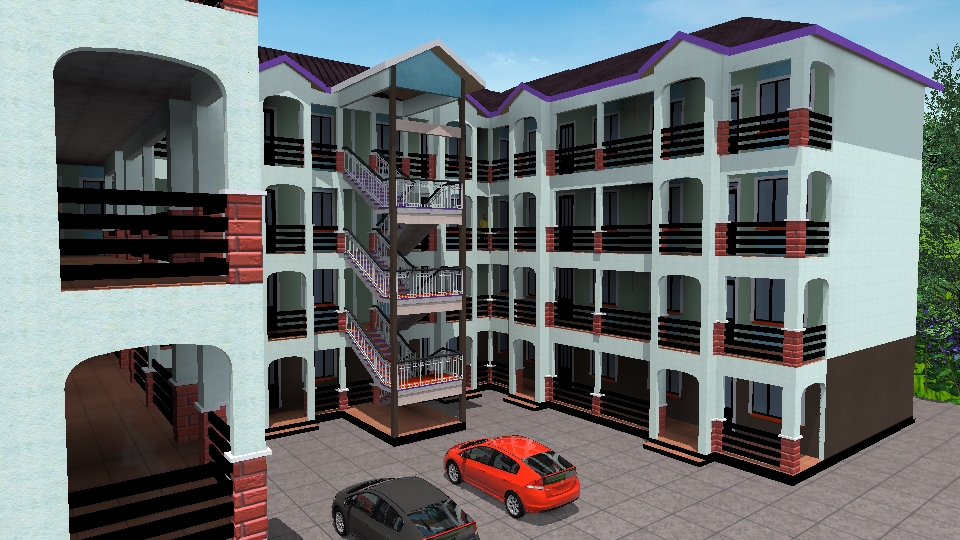
Secondary cities like Mombasa, Nakuru, and Kisumu have growing apartment markets, but construction remains slower than in Nairobi. Demand is concentrated near commercial hubs, transport corridors, and educational institutions, making strategic neighborhoods ideal for investment. These cities present opportunities where oversupply is low and rental yields are competitive. Investors targeting these regions can secure properties with minimal vacancy risk and steady returns.
Price & Rental Impacts
Analysing price and rental impacts of apartment oversupply in Kenya helps buyers and investors understand market dynamics. Oversupply can slow price growth, reduce rental yields, and shift investor focus to high-demand segments. Keeping track of pricing trends and rental performance is essential for profitable decisions.
Price Trends in Oversupplied Areas
In oversupplied areas, particularly Nairobi’s luxury apartment segments, prices often stagnate or decline. Developers may offer discounts or flexible payment plans to attract buyers, and property values may take longer to appreciate. Investors must monitor these trends carefully to avoid purchasing in areas where price growth is weak or negative.
Rental Yield Effects
Rental yields are directly affected by oversupply. In areas with high apartment vacancy, landlords may lower rents to attract tenants, reducing overall returns for investors. Conversely, high-demand segments such as affordable housing in satellite towns maintain strong rental yields even during oversupply periods.
Careful evaluation of local rental performance ensures investors focus on units with sustainable income potential.
Correlation with Land & House Prices
Apartment oversupply often influences nearby land and standalone house prices. When apartments in a region are oversupplied, buyers may shift demand to houses or plots, affecting overall property pricing dynamics. Investors should study correlations between apartments, land, and house prices to make informed purchase and development decisions.
Opportunities Amid Oversupply
Even in markets experiencing apartment oversupply in Kenya, there are areas and strategies that can still provide profitable opportunities for buyers and investors. Identifying the right submarkets, leveraging rental arbitrage, and focusing on strategic purchases allows investors to benefit from undervalued properties and long-term growth potential.
Targeted Submarkets for Value Buys
Certain submarkets remain attractive even during oversupply because of strong demand relative to supply. These areas often include emerging neighbourhoods in Nairobi and high-growth satellite towns. Properties in these submarkets can be purchased at lower prices, providing potential capital appreciation as the market stabilizes. Investors should analyse population growth, infrastructure projects, and demand indicators to identify these value-buy opportunities.
Rental Arbitrage Opportunities
Oversupplied apartments create opportunities for rental arbitrage, where investors can secure units at discounted rates and lease them at competitive rents. This strategy is particularly effective in satellite towns and secondary cities where demand remains stable but prices are lower than in the city center. By carefully selecting properties with high occupancy potential, investors can generate attractive cash flow while the market absorbs excess supply.
Strategic Purchases in Satellite Towns
Satellite towns such as Kitengela, Ruaka, and Athi River continue to experience steady demand even when Nairobi’s core areas face oversupply. Strategic purchases in these towns can offer lower entry costs, higher occupancy rates, and stable rental yields. Investors who act early in high-growth satellite towns can secure long-term benefits before prices and rents adjust to rising demand.
Risks & Market Indicators
Investing during housing oversupply in Kenya carries risks that buyers and investors must understand. Key indicators such as vacancies, time-on-market, mortgage accessibility, and upcoming construction projects help assess potential threats to property performance and returns.
Vacancy & Time-On-Market Thresholds
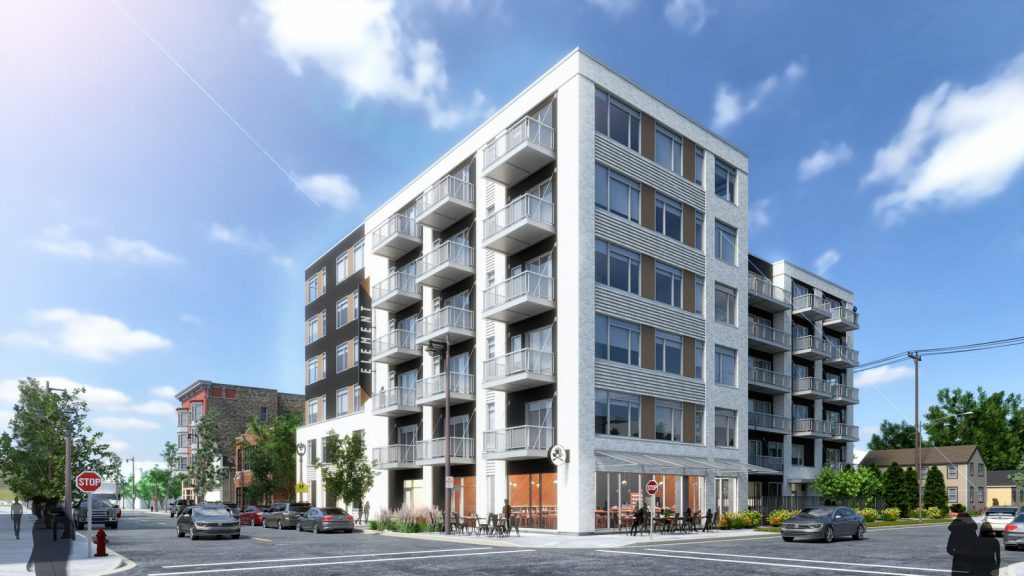
High vacancy rates and prolonged time-on-market are primary indicators of oversupply in a region. Apartments that remain unsold or unrented for long periods can reduce investor cash flow and affect resale value. Monitoring local market statistics and occupancy trends allows buyers to avoid high-risk properties and select units with stronger absorption rates.
Mortgage & Financing Impact
Mortgage rates and financing availability significantly influence apartment demand. High interest rates or stringent lending conditions can slow sales, worsen oversupply, and reduce affordability for buyers. Investors and buyers must evaluate financing trends when planning purchases to ensure they maintain profitability despite market fluctuations.
New Project Pipeline vs Actual Sales Tracking the number of upcoming apartment projects relative to actual sales is critical. A large pipeline of new developments in areas with limited demand signals potential oversupply and price stagnation. Buyers and investors should analyse upcoming supply, absorption rates, and historical sales performance before committing to new projects.
Conclusion
The apartment oversupply in Kenya varies by region and segment. Nairobi’s luxury apartments face slow absorption, while affordable housing and satellite towns continue to see strong demand. Understanding these trends is essential for buyers and investors aiming to maximise returns and minimise risks.
Investors should focus on:
- High-demand submarkets in satellite towns and secondary cities
- Affordable housing segments with steady rental yields
- Value-buy opportunities in oversupplied regions with negotiation leverage
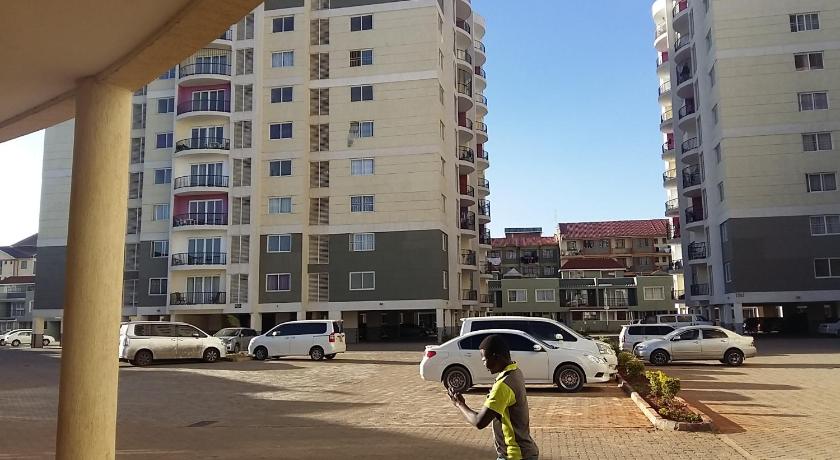
Apartment Oversupply In Kenya