Impact of Inflation on Real Estate
Explore how inflation shapes property prices, mortgage rates, rents, and investment decisions — with actionable insights for buyers, sellers, and investors navigating real estate markets in inflationary times.
Introduction
Understanding the Impact of Inflation on Real Estate is crucial for buyers, sellers, and investors navigating today’s rising-price market. Inflation not only reduces purchasing power but also affects property prices, mortgage rates, rental demand, and overall investment returns.
By exploring real estate inflation effects, housing market inflation impact, and how inflation influences property prices, this guide helps you make strategic, informed decisions. Whether you are a first-time homebuyer, a seasoned investor, or looking to rent, understanding these trends is essential to protecting your wealth and maximising returns.
Inflation & Real Estate: Key Concepts
What Is Inflation
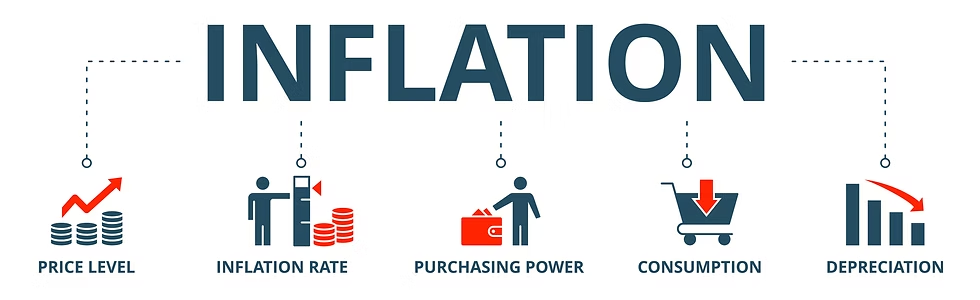
Inflation is the rate at which the general price level of goods and services increases over time, reducing the purchasing power of money. In the context of real estate, inflation impacts property prices, construction costs, and rental rates, making it a critical factor for both homeowners and investors. Understanding inflation is essential for making informed decisions about buying, selling, or investing in real estate during periods of rising prices.
How Inflation Is Measured
Inflation is commonly measured using indices such as the Consumer Price Index (CPI) and the Producer Price Index (PPI), which track changes in prices over time. For real estate, housing-specific metrics like construction cost indices and rental price trends help assess real estate inflation effects and the housing market inflation impact. Monitoring these indicators allows investors, buyers, and sellers to anticipate how inflation may influence property values and overall market activity.
Why Real Estate Is Sensitive to Inflation
Real estate is highly sensitive to inflation because rising costs directly affect both property development and market prices. As material and labour costs increase, new construction becomes more expensive, which pushes up the prices of both new and existing properties. Inflation also influences mortgage rates and rental prices, affecting affordability for buyers and tenants while impacting investment returns for property owners.

Property Prices and Replacement Costs
Construction and Material Cost Inflation
When inflation drives up the cost of construction materials and labor, it directly increases the overall expense of building new homes or commercial properties. This often leads to higher asking prices for newly built properties and can push up the market value of existing real estate. Understanding these trends is crucial for investors and buyers who want to navigate inflation and property prices effectively.
Land Scarcity and Nominal Price Growth
Limited availability of land in desirable locations magnifies the effect of inflation on real estate prices. Even a moderate increase in inflation can cause significant rises in land values, which in turn increases housing market prices and investment costs. Buyers and investors must consider both land scarcity and inflation when evaluating potential property investments.
Real Prices vs Nominal Prices (Adjusted)
Nominal property prices reflect current market values without adjusting for inflation, while real prices show the value of properties after accounting for inflationary changes. Understanding the difference helps investors and homeowners assess the true value of real estate investments over time and make informed decisions about buying or selling. Adjusted prices are essential for planning long-term investment strategies in inflationary environments.
Mortgage Rates, Borrowing & Affordability
Central Bank Rate Adjustments
Central banks adjust interest rates to control inflation, and these decisions directly influence mortgage rates. When inflation rises, central banks often increase rates to stabilise the economy, which makes borrowing more expensive for homebuyers. Understanding these adjustments is critical for investors and buyers looking to plan purchases or refinance in inflationary periods.
Mortgage Costs in Inflationary Periods
During inflationary periods, mortgage costs tend to increase as lenders raise interest rates to offset higher economic risks. Higher mortgage rates reduce monthly affordability, making it more expensive for buyers to finance homes. This dynamic affects both first-time buyers and seasoned investors who rely on leveraged property investments.
Impact on Buying Power & Demand
Rising mortgage costs reduce buyers’ purchasing power, limiting the number of properties they can afford. This can slow demand in certain segments of the housing market, while investor interest may shift toward rental properties or markets less affected by inflation. Understanding these shifts helps buyers and investors navigate real estate inflation effects more strategically.

4. Rental Markets & Demand Shifts
Rent Inflation and Tenant Costs
Inflation often leads to higher rental prices as landlords adjust to increased costs of maintenance, taxes, and property management. Tenants may feel the impact more acutely in urban centers or high-demand neighbourhoods. Tracking these changes is essential for both renters and investors evaluating housing market inflation impact.
Supply Constraints & Vacancy Rates
High construction costs during inflation can slow new housing development, creating supply shortages. Limited supply combined with sustained demand often increases rents and reduces vacancy rates, particularly in popular areas. Understanding these dynamics allows investors to anticipate real estate inflation effects on income properties.
Rent vs Homeownership Trends
Inflation can shift household preferences between renting and owning. Rising property prices and higher mortgage rates may push more households into renting, increasing demand for rental units. Monitoring these trends helps investors identify profitable opportunities and make informed decisions about property acquisition.
Residential vs Commercial Real Estate Impacts
Residential Real Estate Inflation Effects
Residential real estate is directly affected by inflation through rising home prices, higher construction costs, and increasing mortgage rates. Homebuyers may face reduced affordability, while homeowners see potential appreciation in property value. Investors should understand these dynamics to evaluate long-term returns and rental income potential in an inflationary environment.
Commercial Real Estate and Lease Structures
Commercial properties often respond differently to inflation due to lease agreements that may include rent escalation clauses tied to the Consumer Price Index (CPI). Businesses leasing office, retail, or industrial space may face higher costs, while property owners can benefit from built-in adjustments. Understanding lease structures is essential for evaluating real estate inflation effects on commercial investments.
Cap Rates, Income Properties & Inflation
Inflation impacts cap rates and income property valuations, influencing expected returns for investors. Rising inflation can increase operating costs, but higher rents may offset some of these pressures, affecting net operating income (NOI) and overall property value. Analysing these factors is critical for investors assessing the housing market inflation impact on both residential and commercial portfolios.
Inflation Hedging & Investment Strategies
Real Estate as an Inflation Hedge
Real estate is often considered a hedge against inflation because property values and rents typically rise along with the general price level. Owning physical assets like residential or commercial properties can protect investors’ purchasing power while generating steady income. Recognising these trends allows investors to leverage inflation and property prices for long-term financial planning.
Fixed‑Rate Mortgages & Debt Management
Locking in a fixed-rate mortgage during inflation can safeguard buyers from rising interest rates and unpredictable monthly payments. Proper debt management, including timely repayments and strategic leverage, ensures that mortgage obligations remain manageable while preserving investment returns. This approach is especially effective in periods of rapid housing market inflation impact.
Diversification & Mixed‑Use Property Opportunities
Diversifying property portfolios across residential, commercial, and mixed-use developments can reduce risk during inflationary cycles. Mixed-use properties often combine rental income from multiple sources, helping investors maintain stable cash flow despite rising costs. Employing a diversification strategy is key to maximising real estate inflation effects and protecting long-term investment value.

Conclusion
The impact of inflation on real estate is complex but manageable with the right strategies. Property prices and rental income often rise during inflation, but higher mortgage rates and increased construction costs can reduce affordability and slow market activity. Smart buyers, investors, and sellers plan around these effects by securing favorable financing, diversifying property holdings, and focusing on cash-flow-positive assets. Understanding these dynamics is essential for making informed decisions in today’s housing market.