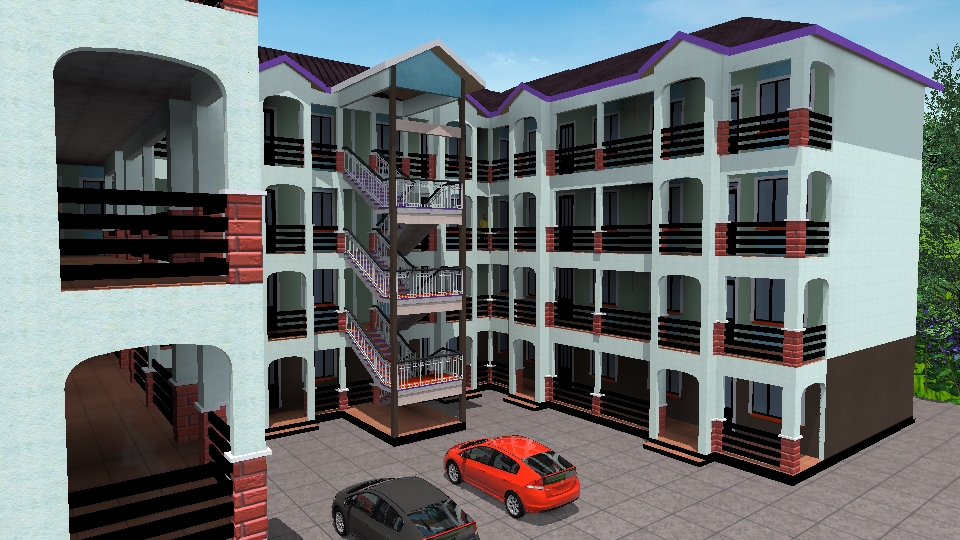
Infrastructure Impact on Construction in Kenya
Explore how infrastructure impacts construction in Kenya, including costs, opportunities, risks, and future trends. Learn how roads, energy, and digital systems shape real estate growth and investment decisions.
Introduction: Why Infrastructure Matters in Construction
Infrastructure Impact on Construction in Kenya
Infrastructure forms the backbone of any construction industry, providing the essential systems that make development possible. It includes transport networks such as roads and railways, energy supply like electricity and renewable power, water and sanitation systems, and digital infrastructure such as internet connectivity and communication networks. Without these foundational elements, construction projects cannot be efficiently planned, executed, or sustained.
In Kenya, infrastructure plays a direct role in shaping the growth of the construction sector. Well-developed road networks reduce the cost of transporting materials, reliable electricity supports modern building technologies, and access to water is crucial for construction processes. As infrastructure improves, previously inaccessible areas open up for development, increasing demand for residential, commercial, and industrial projects. This strong link between infrastructure and construction has made the sector one of the key drivers of economic growth in the country.
The Kenyan government, through Kenya Vision 2030, continues to invest heavily in large-scale infrastructure projects aimed at transforming the country into a middle-income economy. From highways and rail systems to energy and digital expansion, these developments are reshaping the construction landscape.
This article explores how infrastructure impacts construction in Kenya by examining the costs, benefits, risks, and emerging opportunities. Whether you are a developer, investor, or homeowner, understanding these dynamics is essential for making informed construction decisions.
Overview of Infrastructure Development in Kenya
Kenya has experienced significant infrastructure growth over the past decade, positioning the country as one of East Africa’s leading construction hubs. This development spans several key sectors that directly influence construction activity and real estate expansion.
In the transport sector, major investments in roads, highways, and bypasses have improved connectivity within and between cities. Projects like the Standard Gauge Railway and urban expressways have enhanced the movement of goods and labor, making construction more efficient and opening up new areas for development. These improvements have also contributed to the rapid growth of satellite towns around major urban centers.
Energy infrastructure has also expanded significantly, with increased electricity generation and rural electrification programs. Reliable power supply supports modern construction technologies, reduces downtime, and enables large-scale developments such as high-rise buildings and industrial parks.
Water and sanitation systems have seen gradual improvements, especially in urban areas. Access to clean water is essential for construction processes, while proper drainage and sewer systems support sustainable urban development and compliance with building regulations.
In addition, digital infrastructure—including high-speed internet and mobile connectivity—has transformed how construction projects are planned and managed. Tools like project management software, digital surveys, and remote monitoring are becoming more common, improving efficiency and transparency.
Both the government and private sector play a critical role in this growth. Through Public-Private Partnerships (PPPs), the Government of Kenya collaborates with investors to finance and implement large-scale infrastructure projects. This shared approach has accelerated development while reducing the financial burden on public resources.
As a result, infrastructure investment continues to drive construction demand, stimulate economic activity, and fuel urban expansion across the country, making it a key pillar of Kenya’s development trajectory.
Positive Impact of Infrastructure on Construction in Kenya
Infrastructure development has had a transformative effect on Kenya’s construction sector, creating new opportunities while improving efficiency across projects. From better accessibility to increased investment, the benefits are both immediate and long-term.
Improved Accessibility & Site Development
One of the most significant advantages of infrastructure development is improved accessibility to construction sites. Well-maintained roads, highways, and transport systems make it easier to move building materials such as cement, steel, and aggregates to project locations. Developments like the Standard Gauge Railway have enhanced bulk transportation, reducing delays and improving supply chain reliability.
Additionally, improved infrastructure allows contractors to mobilize labor more efficiently. Workers can access sites faster, reducing downtime and increasing productivity. As a result, logistics costs—which often take up a large portion of construction budgets—are significantly reduced, making projects more economically viable.
Increased Property Value & Real Estate Growth
Infrastructure development directly influences land value and real estate expansion. Areas that were once considered remote or underdeveloped become attractive for investment once roads, electricity, and water systems are introduced. This leads to increased demand for land and a steady rise in property prices.
The emergence of satellite towns around major cities is a clear example of this trend. Improved connectivity encourages people to live outside congested urban centers while still accessing work and services. This has fueled residential developments, gated communities, and commercial hubs in these growing areas.
Boost in Construction Demand
As infrastructure improves, so does the demand for construction projects. Developers are more willing to invest in areas with reliable transport, energy, and water systems. This results in an increase in residential housing, commercial buildings, and industrial facilities.
Urbanization also plays a major role in this growth. With more people moving to urban and peri-urban areas in search of opportunities, the need for housing and supporting infrastructure continues to rise. This creates a steady pipeline of construction projects, sustaining the sector’s growth.
Reduced Construction Costs (Indirectly)
Although infrastructure development requires significant investment, it helps reduce construction costs in the long run. Improved transport networks shorten project timelines by ensuring timely delivery of materials and equipment. Faster project completion reduces labor costs and minimizes delays.
Lower transportation costs also contribute to overall savings, especially for projects located far from major supply centers. Efficient infrastructure enhances trade, connectivity, and investment inflows, making construction more predictable and profitable.
Overall, infrastructure acts as a catalyst for construction growth in Kenya, improving efficiency, increasing demand, and creating a more favorable environment for developers and investors.
Negative Impacts of Infrastructure on Construction Projects
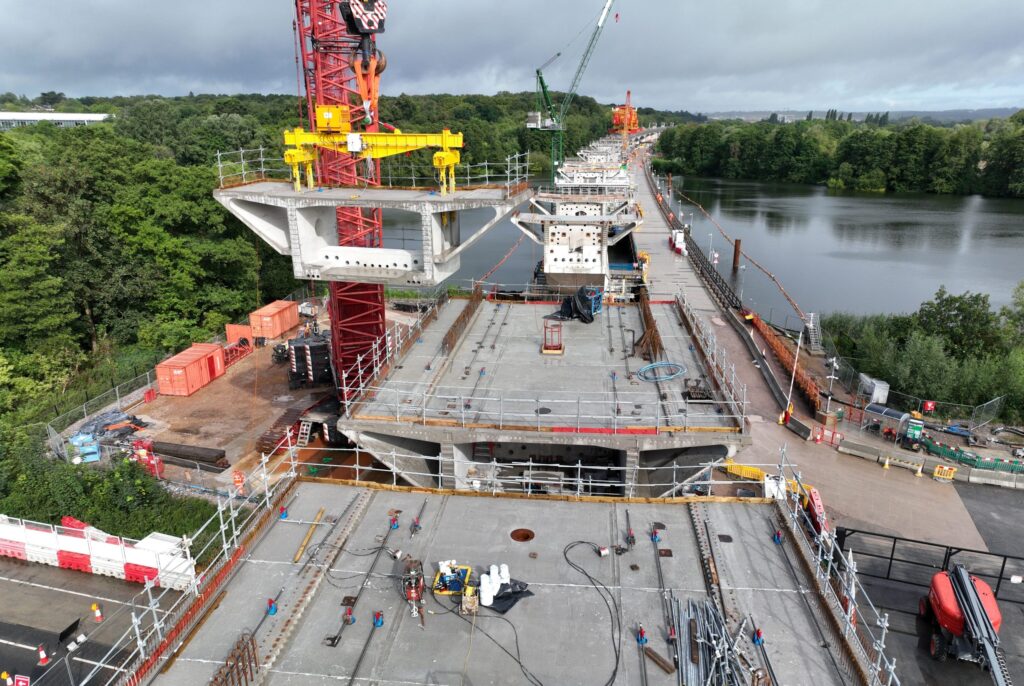
While infrastructure development brings numerous benefits to Kenya’s construction sector, it also presents several challenges that developers, investors, and communities must carefully navigate. These negative impacts can affect project costs, timelines, and overall feasibility.
Rising Land and Construction Costs
One of the most immediate effects of new infrastructure is the rapid increase in land prices. As soon as major projects such as highways or rail systems are announced, land speculation begins, with investors rushing to acquire property in anticipation of future value appreciation. This drives up the cost of land acquisition, making it more expensive for developers to secure suitable sites.
In addition, construction costs in these high-demand areas tend to rise due to increased competition for resources such as labor and materials. This can significantly impact project budgets, especially for small and medium-sized developers.
Displacement and Land Acquisition Challenges
Infrastructure projects often require large tracts of land, which can lead to the displacement of communities and businesses. Evictions, compensation disputes, and resettlement issues are common challenges that can delay both infrastructure and private construction projects.
In Kenya, land ownership complexities and legal disputes further complicate acquisition processes. Delays in compensation or disagreements over land valuation can stall projects for months or even years. Research highlighted on ScienceDirect shows that infrastructure development can disrupt livelihoods and create social challenges, particularly in densely populated or informal settlement areas.
Environmental and Safety Concerns
Large-scale infrastructure and construction activities can have significant environmental impacts. Increased pollution from dust, noise, and emissions affects both workers and nearby communities. Poor waste management and environmental degradation can also result from poorly planned projects.
Safety is another major concern. Construction sites near ongoing infrastructure works can expose workers and the public to risks such as accidents, equipment hazards, and structural instability. Studies published by ScienceDirect link construction activities to various environmental and health risks, emphasizing the need for strict safety and environmental compliance.
Project Delays and Bureaucracy
Infrastructure-related construction projects often face delays due to regulatory and administrative processes. Obtaining approvals, permits, and environmental clearances can be time-consuming, especially when multiple government agencies are involved.
Funding constraints also play a role, particularly in large-scale infrastructure projects that rely on public financing or Public-Private Partnerships. Delays in funding disbursement can slow down progress, affecting associated construction developments.
Overall, while infrastructure supports construction growth, these challenges highlight the importance of proper planning, risk management, and stakeholder engagement to ensure successful project execution.

Impact of Infrastructure on Construction Costs in Kenya
Infrastructure plays a critical role in determining construction costs in Kenya, influencing everything from transportation and material availability to labor efficiency and overall project budgets. Understanding these cost dynamics is essential for developers aiming to plan accurately and avoid unexpected expenses.
Transportation Costs
The quality of road networks and transport systems has a direct impact on the cost of delivering construction materials. In areas with well-developed infrastructure, materials such as cement, sand, and steel can be transported quickly and efficiently, reducing fuel consumption and vehicle wear. Conversely, poor road conditions increase transportation time, fuel costs, and the risk of material damage, significantly raising overall construction expenses.
Material Availability
Infrastructure also determines how easily contractors can access essential building materials. Proximity to quarries, cement factories, and steel suppliers reduces procurement costs and ensures a steady supply. Regions with limited infrastructure often face shortages or higher prices due to the added cost of transporting materials over long distances. Improved connectivity helps stabilize material prices and enhances project efficiency.
Labor Costs and Mobility
Labor accessibility is another key factor influenced by infrastructure. In areas with good transport systems, workers can commute to construction sites, reducing the need for on-site accommodation and lowering labor costs. Improved mobility also allows contractors to hire skilled workers from different regions, increasing productivity and project quality. On the other hand, remote locations with poor infrastructure often require additional expenses to transport and house workers.
Inflation and Infrastructure Link
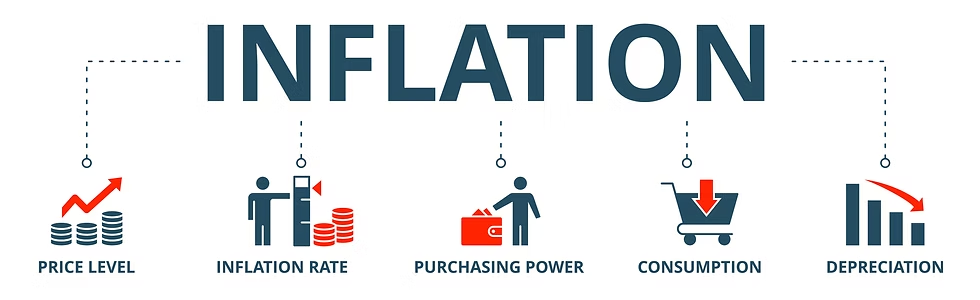
Large-scale infrastructure projects can influence local economies, leading to changes in construction costs. Increased demand for materials, labor, and land in areas experiencing infrastructure development can drive up prices, contributing to inflation in the construction sector. At the same time, improved infrastructure can reduce long-term costs by enhancing efficiency and boosting economic activity.
Overall, infrastructure has a dual impact on construction costs in Kenya—while it can increase short-term expenses due to demand pressures, it ultimately contributes to cost savings and improved project efficiency in the long run.
Role of Technology and Digital Infrastructure in Construction
Technology and digital infrastructure are rapidly transforming Kenya’s construction industry, improving efficiency, reducing costs, and enhancing overall project delivery. As infrastructure expands beyond physical systems to include digital connectivity, the construction sector is increasingly adopting modern tools to stay competitive.
Adoption of Modern Construction Technologies
The use of advanced technologies such as Building Information Modeling (BIM), project management software, and digital surveying tools is gradually gaining traction in Kenya. BIM, for instance, allows developers and engineers to create detailed 3D models of projects before construction begins, helping to identify potential design issues early.
Project management platforms also enable better coordination between stakeholders, including architects, engineers, contractors, and clients. These tools improve communication, track progress in real time, and ensure that projects stay on schedule and within budget.
Impact on Efficiency and Cost
The integration of digital technologies significantly enhances construction efficiency. Automated planning and accurate modeling reduce errors, minimize material wastage, and streamline workflows. This leads to faster project delivery timelines and improved quality control.
Additionally, digital tools make it easier to monitor construction progress, manage resources effectively, and ensure compliance with design specifications. Research by IJERT highlights that technology adoption improves cost management, reduces delays, and enhances overall project performance in the construction sector.
Challenges of Technology Adoption
Despite these benefits, the adoption of modern construction technologies in Kenya remains relatively low. Many small and medium-sized contractors still rely on traditional methods due to high initial costs of technology and limited awareness.
There is also a significant skills gap, as the workforce may lack the technical expertise required to operate advanced systems like BIM and digital project management tools. Addressing these challenges through training, investment, and policy support will be key to unlocking the full potential of technology in Kenya’s construction industry.
Infrastructure and Real Estate Development in Kenya
Infrastructure development has become a major driver of real estate growth in Kenya, shaping where and how people live, work, and invest. Improved connectivity, access to utilities, and expansion of transport networks have opened up new areas for development, creating significant opportunities in the property market.
Growth of Satellite Towns
One of the most visible impacts of infrastructure is the rapid growth of satellite towns around major urban centers such as Nairobi. Areas located along highways, bypasses, and major transport corridors are experiencing increased demand for housing due to improved accessibility. Developments like the Nairobi Expressway have reduced commuting time, making it more convenient for people to live outside the city center while still accessing jobs and services.
As a result, previously underdeveloped regions are transforming into vibrant residential zones with gated communities, apartments, and supporting social amenities.
Commercial and Industrial Expansion
Infrastructure also attracts commercial and industrial developments. Businesses prefer locations with reliable transport networks, electricity, and water supply, as these factors reduce operational costs and improve efficiency. Industrial parks, warehouses, and logistics hubs are increasingly being established near major roads, railways, and ports.
This trend not only supports economic growth but also increases demand for construction services, including office spaces, retail centers, and manufacturing facilities.
Investment Opportunities
For investors and developers, infrastructure expansion presents numerous opportunities. Rental housing, apartment developments, and mixed-use projects are particularly attractive in areas benefiting from new infrastructure. Early investment in such locations can yield high returns as property values appreciate over time.
Overall, infrastructure development continues to reshape Kenya’s real estate landscape, making it a key factor in strategic property investment and long-term construction planning.
Case Studies: Major Infrastructure Projects and Their Impact
Kenya’s infrastructure landscape has been shaped by several flagship projects that clearly demonstrate how infrastructure influences construction and real estate development. These case studies highlight the direct relationship between improved connectivity and increased property demand.
One of the most notable projects is the Nairobi Expressway. This modern highway has significantly reduced travel time between key parts of Nairobi, making commuting faster and more predictable. As a result, areas along the expressway corridor have experienced a surge in property demand. Developers are increasingly investing in residential apartments, office spaces, and commercial developments in these locations, driven by improved accessibility and convenience.
Another major project is the Standard Gauge Railway (SGR), which connects major cities and enhances regional trade. By improving the movement of goods between the port of Mombasa and inland regions, the SGR has created new opportunities for industrial and logistics developments. Warehousing, manufacturing facilities, and distribution centers are now being established near railway stations and transport hubs, increasing demand for construction services in these areas.
Bypass roads around urban centers have also played a crucial role in shaping development patterns. These roads divert traffic from congested city centers and open up surrounding areas for investment. As a result, previously overlooked locations are now experiencing rapid urban expansion, with new housing estates, shopping centers, and business parks emerging along these routes.
According to Murivest Realty Group Ltd, infrastructure projects significantly reshape property markets by influencing land values, development patterns, and investment decisions. Overall, these case studies demonstrate that strategic infrastructure investments not only improve mobility but also act as powerful catalysts for construction growth and real estate transformation in Kenya.
Challenges Facing Infrastructure-Driven Construction Growth
Despite the strong link between infrastructure development and construction growth in Kenya, several challenges continue to hinder the full realization of this potential. These issues affect project efficiency, cost management, and long-term sustainability.
One of the major challenges is financing constraints. Large-scale infrastructure projects require significant capital investment, which often strains public resources. While Public-Private Partnerships (PPPs) help bridge the gap, delays in funding or limited access to affordable financing can slow down both infrastructure and related construction projects.
Corruption and mismanagement also pose serious risks. Misallocation of funds, lack of transparency, and inflated project costs can lead to incomplete or substandard infrastructure. This not only wastes resources but also discourages private investors from participating in construction projects linked to such developments.
Another key issue is the shortage of skilled labor. As infrastructure and construction activities increase, the demand for qualified engineers, project managers, and technical workers continues to rise. However, the supply of skilled professionals has not kept pace, leading to reduced productivity, higher labor costs, and in some cases, compromised construction quality.
Poor planning and coordination further complicate infrastructure-driven construction growth. Inadequate feasibility studies, weak project management, and lack of coordination between government agencies can result in delays, cost overruns, and inefficient use of resources. Projects may also face conflicts due to overlapping responsibilities or unclear regulatory frameworks.
Addressing these challenges requires stronger governance, better planning, investment in skills development, and improved collaboration between stakeholders to ensure sustainable construction growth in Kenya.
Future Trends in Infrastructure and Construction in Kenya
Kenya’s construction and infrastructure sectors are evolving rapidly, driven by innovation, sustainability goals, and increasing urban demand. Several emerging trends are expected to shape the future of development and redefine how construction projects are planned and executed.
One key trend is the rise of smart cities and digital infrastructure. Urban areas are gradually integrating technology into planning and service delivery, including smart traffic systems, digital mapping, and automated utilities. With improved internet connectivity and data-driven solutions, construction projects are becoming more efficient, transparent, and easier to manage.
Green and sustainable construction is also gaining momentum as developers and policymakers focus on environmentally friendly practices. This includes the use of energy-efficient materials, renewable energy sources such as solar power, and water conservation systems. Research highlighted by SCIRP shows that sustainable construction practices are becoming increasingly important in Kenya, helping reduce environmental impact while improving long-term cost efficiency.
In addition, there is a growing reliance on Public-Private Partnerships (PPPs) to finance and implement infrastructure projects. As government resources remain limited, collaboration with private investors is expected to increase, accelerating the delivery of large-scale developments such as highways, housing, and industrial parks.
Affordable housing projects are another major focus area, driven by rising urban populations and government initiatives to provide decent and accessible housing. These projects are creating new opportunities for contractors, developers, and investors, while also addressing the housing deficit.
Overall, the future of infrastructure and construction in Kenya will be defined by sustainability, technology adoption, and strategic partnerships, positioning the sector for continued growth and innovation.

How Developers and Investors Can Benefit
Infrastructure development in Kenya presents significant opportunities for developers and investors who can strategically position themselves to maximize returns. Understanding where and how to invest is key to benefiting from the ongoing expansion.
One of the most effective strategies is to invest early in areas targeted for infrastructure development. Locations near upcoming highways, rail projects, and urban expansion zones often experience rapid increases in land value once projects are completed. Early investors can acquire land at lower prices and benefit from substantial appreciation as demand rises.
Focusing on rental housing and mixed-use developments is another smart approach. As infrastructure improves accessibility, more people are drawn to emerging urban and peri-urban areas, increasing demand for affordable housing, apartments, and integrated developments that combine residential, commercial, and retail spaces. These types of projects provide steady income streams and long-term value.
Developers can also improve profitability by adopting cost-efficient building methods. This includes using locally available materials, optimizing design for functionality, and incorporating modern construction technologies to reduce waste and shorten project timelines. Efficient planning helps control costs while maintaining quality.
Partnering with experienced contractors and consultants is equally important. Working with professionals who understand infrastructure trends, regulatory requirements, and project management ensures smoother execution and reduces the risk of costly mistakes or delays.
Overall, developers and investors who align their strategies with infrastructure growth, prioritize efficiency, and collaborate with the right experts are well-positioned to take advantage of Kenya’s expanding construction landscape.
Conclusion: Infrastructure as a Key Driver of Construction Growth
Infrastructure development remains one of the most powerful drivers of construction growth in Kenya, shaping how and where development takes place. From transport networks and energy systems to water and digital connectivity, infrastructure creates the foundation upon which the construction industry thrives. It opens up new areas for investment, increases property demand, and improves overall project efficiency.
However, infrastructure is both an opportunity and a challenge. While it helps reduce logistical costs, improve accessibility, and accelerate project timelines, it can also lead to rising land prices, regulatory complexities, and increased competition for resources. These factors introduce risks that developers and investors must carefully manage to avoid cost overruns and delays.
The key to success lies in smart planning and informed decision-making. Developers who understand infrastructure trends, conduct proper feasibility studies, and align their projects with growth corridors are more likely to achieve sustainable returns. Strategic site selection, cost control, and collaboration with experienced professionals are essential in navigating the dynamic construction environment.
Despite the challenges, the long-term benefits of infrastructure investment far outweigh the risks. As Kenya continues to expand and modernize, infrastructure will remain a critical enabler of economic growth and real estate development. For those willing to plan strategically and act early, it offers a clear pathway to profitable and sustainable construction opportunities.