
Discover the real cost of building in Nairobi vs rural Kenya, including cost per m², labour, materials, hidden expenses, and practical ways to reduce construction costs.
Introduction: Understanding Construction Cost Differences in Kenya
Kenya’s construction sector has experienced steady growth over the past decade, driven by rapid urbanization, increased demand for housing, and expanding infrastructure development. From Nairobi’s high-rise apartments to emerging residential developments in rural counties, building activity continues to rise across the country.
However, one of the most important factors that significantly affects construction budgets is location. The cost of building in Nairobi is often much higher compared to rural Kenya due to differences in labour rates, material transportation, permit requirements, and overall market demand. These variations can create a wide gap in total project costs, even for identical house designs.
Understanding these differences is essential for anyone planning to build a home or investment property. Many developers underestimate total costs by focusing only on basic construction rates, ignoring hidden expenses that vary by location.
This article explores the keyword cost of building in Nairobi vs rural Kenya, breaking down real cost differences, key influencing factors, and hidden charges that impact your final budget. It also provides practical savings insights to help you make informed construction decisions before you begin your project.
Overview of Construction Costs in Kenya Today
Construction costs in Kenya vary widely depending on location, design, and material choices, but a commonly used benchmark in the industry is the cost per square metre (m²). On average, building a residential house in Kenya costs between KES 35,000 and KES 80,000 per m², depending on the level of finish and project complexity.
At the lower end, basic finishes include simple flooring, standard roofing materials, and minimal architectural detailing. These are typically more affordable and commonly used in budget housing projects. A standard finish, which is the most common in middle-income housing, includes improved flooring, fitted kitchens, modern roofing systems, and better interior finishes. At the higher end, luxury finishes significantly increase costs due to premium materials such as imported tiles, custom fittings, smart home features, and high-end interior design elements.
The per m² pricing model is widely used in Kenya because it provides a consistent way to estimate total construction costs regardless of house size. It allows developers, contractors, and homeowners to compare projects more easily and prepare realistic budgets before construction begins.
However, construction costs are not static. Inflation and fluctuating material prices—especially cement, steel, sand, and timber—can significantly impact final project budgets. Transport fuel costs also indirectly influence material pricing across the country.
It is also important to note that there is a clear cost difference between urban areas like Nairobi and rural parts of Kenya, mainly due to labour rates, permits, and logistics. This gap becomes more visible as we break down specific location-based costs in the sections that follow.
Cost of Building in Nairobi (Urban Breakdown)
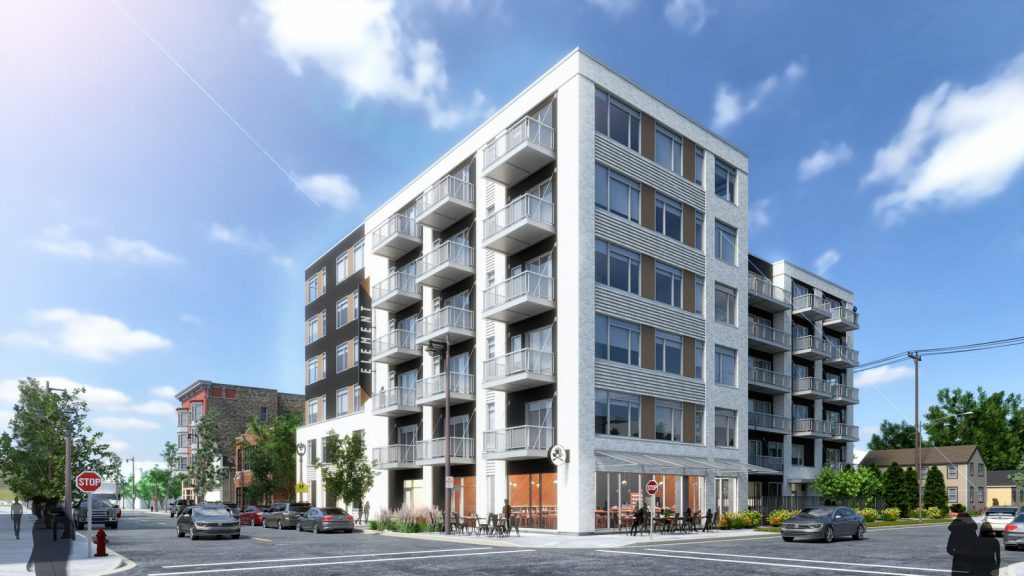
Building in Nairobi is generally more expensive compared to other parts of Kenya, with average construction costs ranging between KES 45,000 and KES 80,000+ per square metre, depending on design complexity and finishing standards. This makes it the most costly construction environment in the country.
One of the main reasons for high costs is labour pricing. Skilled labourers such as masons, electricians, plumbers, and site supervisors command higher daily rates in Nairobi due to higher living costs and strong demand. In addition, there is intense competition for experienced contractors, which often drives project management fees upward.
Another key factor is permits and compliance requirements. Construction in Nairobi requires approvals from county authorities, architectural reviews, structural approvals, and environmental assessments. These regulatory steps add both time and cost to the overall project.
Transport and congestion costs also significantly affect construction budgets. Delays caused by traffic congestion increase delivery time for materials such as cement, steel, and sand, indirectly raising labour costs due to idle time and inefficiencies.
Nairobi also has a high demand for skilled contractors, especially for modern residential apartments and maisonettes. This demand pushes prices higher, particularly in middle- and high-income neighbourhoods where quality expectations are strict.
It is also important to note that land cost is a major driver, although it is often excluded from construction estimates. In Nairobi, land prices can exceed the actual building cost in many areas, making total investment significantly higher than in rural regions.
For example, a 3-bedroom bungalow in Nairobi may cost between KES 6 million and KES 12 million+, depending on finishes, design, and location.
Urban construction also comes with higher expectations, including modern architectural designs, quality finishes, and strict approval compliance. Developers must therefore budget not only for construction but also for higher standards of execution and regulatory adherence.
Cost of Building in Rural Kenya (Detailed Breakdown)
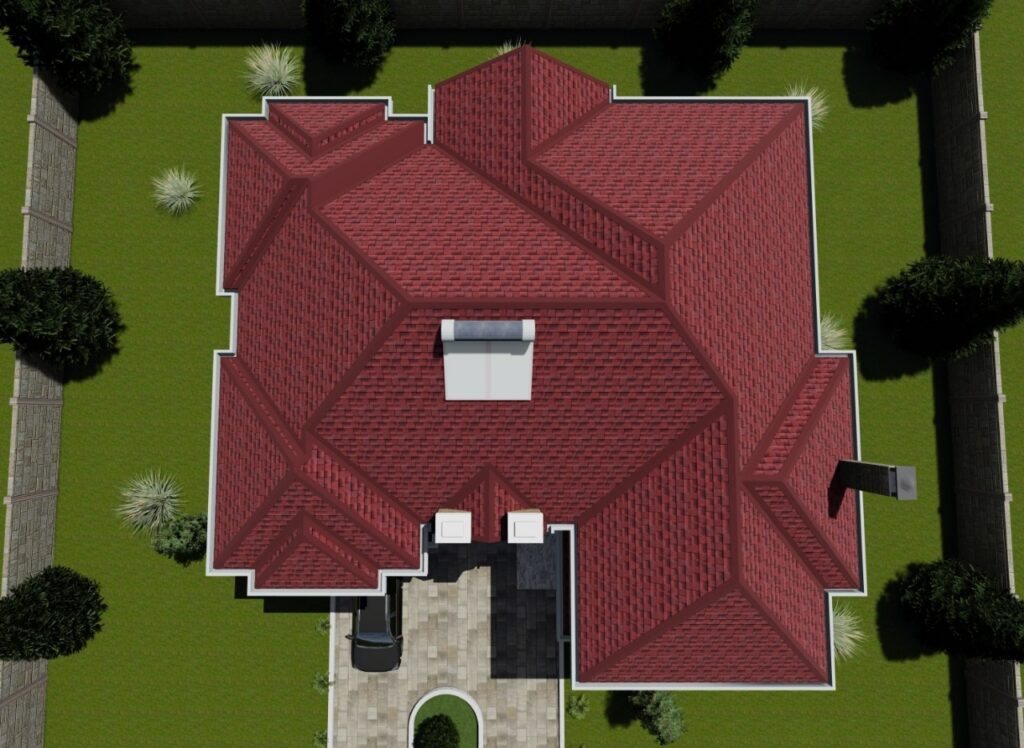
Building in rural Kenya is generally more affordable compared to urban centres, with average construction costs ranging between KES 35,000 and KES 55,000 per square metre, depending on design, materials, and labour availability. This makes rural areas a preferred option for homeowners looking to reduce overall building expenses.
One of the biggest advantages of rural construction is lower land cost, with many homeowners already owning land or purchasing it at significantly lower prices compared to urban areas. This immediately reduces the total project investment.
Labour costs are also lower in rural Kenya. Local artisans, masons, and general workers charge less due to lower living costs and reduced competition. In many cases, communities also rely on familiar local builders, which helps reduce contractor overheads.
Another cost-saving factor is local material sourcing. Materials such as stone, sand, gravel, and timber are often sourced within or near the construction site, reducing transportation costs and improving affordability.
However, rural construction also comes with hidden challenges. Transport of specialized materials like steel, cement, and finishing products can be expensive due to long distances from suppliers. Additionally, there may be limited availability of highly skilled labour, which can affect workmanship quality or require hiring workers from towns at extra cost.
Projects in rural areas may also take longer timelines, especially when materials must be delivered from urban centres or when weather and access roads affect movement.
For example, a 3-bedroom house in rural Kenya may cost between KES 4 million and KES 8 million, depending on finish level and accessibility.
Overall, rural construction can offer savings of about 20% to 30% compared to Nairobi. However, these savings depend heavily on planning, material sourcing efficiency, and project management to avoid delays and unnecessary transport costs.
Nairobi vs Rural Kenya: Direct Cost Comparison
A direct comparison between building in Nairobi and rural Kenya clearly shows significant cost variations across key construction components. While rural areas are generally cheaper, the overall savings depend on logistics, material sourcing, and project complexity.
Side-by-Side Cost Comparison
| Cost Factor | Nairobi (Urban) | Rural Kenya |
| Cost per m² | KES 45,000 – 80,000+ | KES 35,000 – 55,000 |
| Labour | High | Low to Moderate |
| Materials | Readily available, costly | Cheaper locally, but transport-sensitive |
| Transport | Low delivery distance, high congestion delays | High transport costs for imported materials |
| Permits/Approvals | Strict & expensive | Minimal or none in some areas |
From the comparison, Nairobi construction is more expensive mainly due to higher labour costs, strict regulations, and higher demand for skilled professionals. Rural construction, on the other hand, benefits from cheaper labour and locally available materials, making the base cost significantly lower.
However, rural construction is not always straightforward. In some cases, the cost advantage can reduce or even reverse when transportation of materials becomes expensive, especially if the site is far from major towns or suppliers. This creates a break-even scenario, where savings on labour and land are offset by logistics costs and delays.
Another important insight is that rural projects may require more coordination effort, while urban projects demand higher financial investment but offer faster access to materials and services.
Decision-Making Guide
- Choose Nairobi if you value convenience, faster project timelines, and easier access to skilled professionals.
- Choose rural Kenya if your priority is cost savings, larger land space, and flexible building timelines.
- Always evaluate total project cost—not just per m² rates—before deciding.
Ultimately, the best location depends on your budget, urgency, and long-term property goals, not just the initial construction price difference.
Key Factors That Influence Building Costs
The cost of building in Kenya—whether in Nairobi or rural areas—is determined by several interconnected factors that go beyond simple per square metre estimates. Understanding these elements helps explain why two similar houses can have very different total costs.
One of the biggest cost drivers is land cost, which varies drastically between urban and rural areas. In Nairobi, land is expensive and often represents a major portion of total investment, while in rural Kenya, land is significantly cheaper or already owned, reducing overall project cost.
Labour availability and skill level also play a major role. Urban areas like Nairobi have a larger pool of skilled professionals such as engineers, electricians, and masons, but they charge higher rates. In rural areas, labour is cheaper but may require supervision or additional training due to limited specialization.
Construction material pricing is another key factor. While materials such as cement, steel, and tiles are generally standardized in price, urban areas may experience slightly higher costs due to demand and supplier margins. Rural areas may benefit from locally sourced materials like stone and sand, reducing expenses.
Transport logistics and distance to suppliers significantly influence budgets. Projects far from major towns often incur higher delivery costs, especially for heavy materials. Poor road infrastructure can further increase delays and transport charges.
Soil conditions and foundation complexity can also affect costs. Areas with rocky, clay, or unstable soils may require stronger foundations, increasing both material and labour requirements.
The design complexity of a building is another major factor. Simple bungalow designs are cheaper to construct, while maisonettes and apartments require more materials, engineering, and supervision.
Additionally, regulatory approvals and permits add to urban construction costs, especially in Nairobi, where compliance is strict and time-consuming.
Finally, contractor expertise and project management efficiency can significantly influence total cost. Experienced contractors reduce wastage, prevent delays, and ensure better cost control, while poor management often leads to budget overruns.
Overall, construction costs are shaped by a combination of location, design, logistics, and execution quality—not just material prices alone.
Hidden Costs Most People Ignore
When planning construction in Kenya, many homeowners focus mainly on materials and labour, but there are several hidden costs that can significantly increase the final budget if not properly accounted for. In many cases, these extra expenses can add 10% to 25% or more to the total project cost.
One major hidden cost is architectural and structural design fees. Before construction begins, professional drawings and engineering plans are required, and these services come at a cost depending on the complexity of the project.
Another unavoidable expense is county approval fees, especially in urban areas like Nairobi. These include building permits, structural approvals, and inspection charges that must be cleared before and during construction.
Utility connection costs for water and electricity are often underestimated. Extending lines to a new site, purchasing meters, and installation fees can add a significant amount to the budget.
Site preparation costs are also commonly overlooked. This includes land clearing, leveling, excavation, and in some cases, soil testing. Poor site conditions can further increase these costs.
Other expenses include waste disposal and logistics, such as removing construction debris and managing leftover materials. These ongoing costs accumulate throughout the project.
Delays during construction also introduce inflation-related cost increases, especially when material prices rise mid-project or labour timelines extend beyond plan.
Additionally, rework due to poor workmanship can become a major financial burden. Fixing structural errors, correcting finishes, or replacing faulty installations often doubles effort and cost.
In summary, hidden costs are a critical part of construction budgeting. Ignoring them leads to underfunded projects and stalled construction. Proper planning ensures these expenses are anticipated and controlled from the beginning.
Case Study Examples: Real Cost Scenarios
To better understand the cost of building in Nairobi vs rural Kenya, it is helpful to look at real-world construction scenarios for similar house types in different locations.
Example 1: Nairobi 3-Bedroom Bungalow
A standard 3-bedroom bungalow in Nairobi typically costs between KES 6 million and KES 12 million+, depending on finishes and design complexity.
Breakdown:
- Structure (foundation, walls, roofing): 40–50%
- Finishes (tiles, ceilings, fittings): 30–40%
- Labour and supervision: 10–15%
- Approvals and miscellaneous costs: 5–10%
Urban projects also incur higher costs due to strict approvals and higher labour rates.
Example 2: Rural Kenya 3-Bedroom Bungalow
In rural areas, the same house may cost between KES 4 million and KES 8 million.
Key advantages:
- Lower labour costs reduce overall budget
- Land is cheaper or already owned
- Local materials (stone, sand) reduce structural costs
Challenges:
- Transport of cement, steel, and finishing materials increases cost
- Limited skilled labour may slow down progress
- Longer construction timelines can affect budgeting
Example 3: Mid-Range Maisonette Comparison
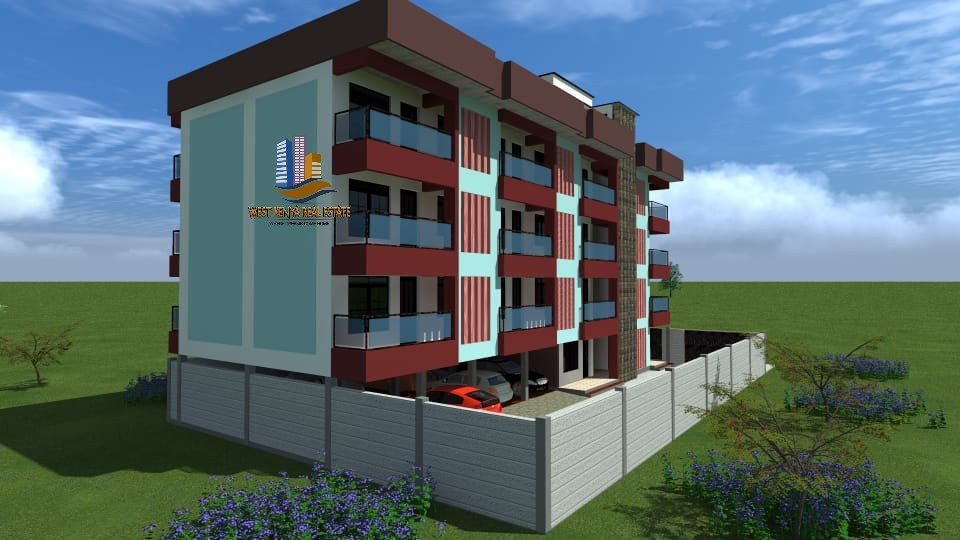
A maisonette significantly increases construction complexity, with costs ranging:
- Nairobi: KES 10 million – 20 million+
- Rural Kenya: KES 8 million – 15 million
In this case, the urban-rural gap widens less than expected because multi-storey buildings require skilled engineers, imported materials, and stronger supervision regardless of location.
Insight: As design complexity increases, location savings reduce. This shows that complexity amplifies cost differences, especially in urban construction where standards and approvals are stricter.
Cost Breakdown per Square Metre & House Type
Construction costs in Kenya are commonly measured using the cost per square metre (m²), but the actual price depends heavily on the type of house and level of finishing.
Generally, budget homes cost between KES 35,000 – 45,000 per m², especially in rural areas where labour and materials are cheaper. These homes use basic finishes, standard roofing, and simple layouts.
Standard homes, which are the most common for middle-income families, range between KES 45,000 – 65,000 per m². They include improved finishes, better flooring, modern kitchens, and stronger structural design.
At the top end, luxury homes can cost KES 65,000 – 80,000+ per m², especially in Nairobi. These include premium materials, custom interiors, smart home features, and high-end architectural designs.
Nairobi vs Rural Cost Summary
- Nairobi: Higher range due to labour, permits, and demand
- Rural Kenya: Lower range due to cheaper labour and local materials
House Type Averages
- 2-bedroom house: KES 2.5M – 6M
- 3-bedroom house: KES 4M – 12M
- 4-bedroom house: KES 6M – 18M+
However, relying only on cost per square metre is misleading without context. Location, design complexity, soil conditions, transport costs, and contractor efficiency all significantly affect the final budget. Two houses with the same size can have very different total costs depending on where and how they are built.
How to Reduce Construction Costs in Both Locations
Reducing construction costs in both Nairobi and rural Kenya requires smart planning, disciplined execution, and informed decision-making rather than simply choosing the cheapest options. One of the most effective strategies is using efficient architectural designs. Simple, well-planned layouts reduce wasted space, lower material usage, and speed up construction without compromising functionality.
Another key cost-saving method is bulk purchasing of construction materials. Buying cement, steel, tiles, and other materials in larger quantities often attracts discounts and reduces transport costs per unit. This strategy also helps avoid price increases caused by inflation during long projects.
Hiring experienced contractors early is equally important. Skilled contractors provide accurate cost estimates, minimize wastage, and ensure proper supervision, which reduces costly mistakes and rework.
Proper planning before construction begins is critical. A complete and well-reviewed bill of quantities (BQ), architectural drawings, and budget plan helps prevent unexpected expenses during execution.
One of the most common causes of budget overruns is mid-project design changes. Altering plans after construction has started leads to material wastage, labour delays, and increased costs, so decisions should be finalized early.
In rural Kenya, local sourcing of materials such as stone, sand, and timber can significantly reduce costs, while minimizing transport expenses.
Finally, adopting a phased construction approach helps manage cash flow. Instead of building everything at once, homeowners can complete construction in stages based on available funds, reducing financial pressure while maintaining progress.
Overall, cost control is achieved not by cutting corners, but by planning strategically and executing efficiently from start to finish.
Common Mistakes When Comparing Nairobi vs Rural Building Costs
When comparing the cost of building in Nairobi vs rural Kenya, many people make errors that lead to unrealistic budgets and poor financial planning.
One major mistake is ignoring transport costs in rural areas, especially for heavy materials like cement, steel, and roofing sheets, which can significantly increase total expenses. Another common issue is underestimating labour shortages, where rural areas may lack skilled professionals, leading to delays or the need to hire workers from towns at higher rates.
People also often make inaccurate comparisons by mixing land-inclusive and land-exclusive costs, which distorts the real difference between urban and rural construction. Focusing only on the cheapest cost per square metre is another mistake, as it ignores key factors like design complexity, location challenges, and hidden costs.
Finally, poor budgeting and lack of a contingency fund leave many projects vulnerable to delays and cost overruns. Proper comparison requires a full understanding of all cost components, not just headline figures.
Discover the real cost of building in Nairobi vs rural Kenya, including cost per m², labour, materials, hidden expenses, and practical ways to reduce construction costs.
Introduction: Understanding Construction Cost Differences in Kenya
Kenya’s construction sector has experienced steady growth over the past decade, driven by rapid urbanization, increased demand for housing, and expanding infrastructure development. From Nairobi’s high-rise apartments to emerging residential developments in rural counties, building activity continues to rise across the country.
However, one of the most important factors that significantly affects construction budgets is location. The cost of building in Nairobi is often much higher compared to rural Kenya due to differences in labour rates, material transportation, permit requirements, and overall market demand. These variations can create a wide gap in total project costs, even for identical house designs.
Understanding these differences is essential for anyone planning to build a home or investment property. Many developers underestimate total costs by focusing only on basic construction rates, ignoring hidden expenses that vary by location.
This article explores the keyword cost of building in Nairobi vs rural Kenya, breaking down real cost differences, key influencing factors, and hidden charges that impact your final budget. It also provides practical savings insights to help you make informed construction decisions before you begin your project.
Overview of Construction Costs in Kenya Today
Construction costs in Kenya vary widely depending on location, design, and material choices, but a commonly used benchmark in the industry is the cost per square metre (m²). On average, building a residential house in Kenya costs between KES 35,000 and KES 80,000 per m², depending on the level of finish and project complexity.
At the lower end, basic finishes include simple flooring, standard roofing materials, and minimal architectural detailing. These are typically more affordable and commonly used in budget housing projects. A standard finish, which is the most common in middle-income housing, includes improved flooring, fitted kitchens, modern roofing systems, and better interior finishes. At the higher end, luxury finishes significantly increase costs due to premium materials such as imported tiles, custom fittings, smart home features, and high-end interior design elements.
The per m² pricing model is widely used in Kenya because it provides a consistent way to estimate total construction costs regardless of house size. It allows developers, contractors, and homeowners to compare projects more easily and prepare realistic budgets before construction begins.
However, construction costs are not static. Inflation and fluctuating material prices—especially cement, steel, sand, and timber—can significantly impact final project budgets. Transport fuel costs also indirectly influence material pricing across the country.
It is also important to note that there is a clear cost difference between urban areas like Nairobi and rural parts of Kenya, mainly due to labour rates, permits, and logistics. This gap becomes more visible as we break down specific location-based costs in the sections that follow.
Cost of Building in Nairobi (Urban Breakdown)
Building in Nairobi is generally more expensive compared to other parts of Kenya, with average construction costs ranging between KES 45,000 and KES 80,000+ per square metre, depending on design complexity and finishing standards. This makes it the most costly construction environment in the country.
One of the main reasons for high costs is labour pricing. Skilled labourers such as masons, electricians, plumbers, and site supervisors command higher daily rates in Nairobi due to higher living costs and strong demand. In addition, there is intense competition for experienced contractors, which often drives project management fees upward.
Another key factor is permits and compliance requirements. Construction in Nairobi requires approvals from county authorities, architectural reviews, structural approvals, and environmental assessments. These regulatory steps add both time and cost to the overall project.
Transport and congestion costs also significantly affect construction budgets. Delays caused by traffic congestion increase delivery time for materials such as cement, steel, and sand, indirectly raising labour costs due to idle time and inefficiencies.
Nairobi also has a high demand for skilled contractors, especially for modern residential apartments and maisonettes. This demand pushes prices higher, particularly in middle- and high-income neighbourhoods where quality expectations are strict.
It is also important to note that land cost is a major driver, although it is often excluded from construction estimates. In Nairobi, land prices can exceed the actual building cost in many areas, making total investment significantly higher than in rural regions.
For example, a 3-bedroom bungalow in Nairobi may cost between KES 6 million and KES 12 million+, depending on finishes, design, and location.
Urban construction also comes with higher expectations, including modern architectural designs, quality finishes, and strict approval compliance. Developers must therefore budget not only for construction but also for higher standards of execution and regulatory adherence.
Cost of Building in Rural Kenya (Detailed Breakdown)
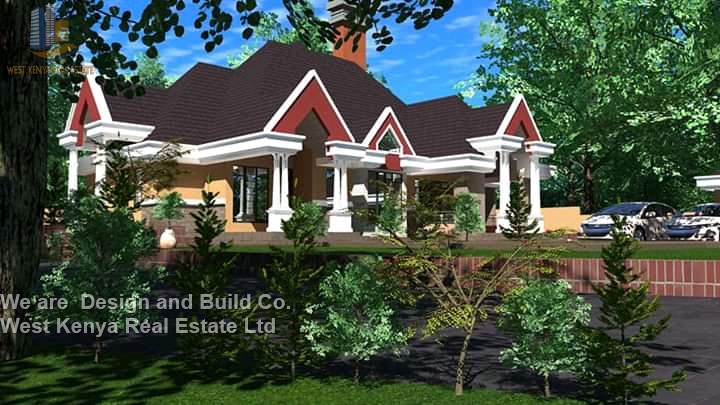
Building in rural Kenya is generally more affordable compared to urban centres, with average construction costs ranging between KES 35,000 and KES 55,000 per square metre, depending on design, materials, and labour availability. This makes rural areas a preferred option for homeowners looking to reduce overall building expenses.
One of the biggest advantages of rural construction is lower land cost, with many homeowners already owning land or purchasing it at significantly lower prices compared to urban areas. This immediately reduces the total project investment.
Labour costs are also lower in rural Kenya. Local artisans, masons, and general workers charge less due to lower living costs and reduced competition. In many cases, communities also rely on familiar local builders, which helps reduce contractor overheads.
Another cost-saving factor is local material sourcing. Materials such as stone, sand, gravel, and timber are often sourced within or near the construction site, reducing transportation costs and improving affordability.
However, rural construction also comes with hidden challenges. Transport of specialized materials like steel, cement, and finishing products can be expensive due to long distances from suppliers. Additionally, there may be limited availability of highly skilled labour, which can affect workmanship quality or require hiring workers from towns at extra cost.
Projects in rural areas may also take longer timelines, especially when materials must be delivered from urban centres or when weather and access roads affect movement.
For example, a 3-bedroom house in rural Kenya may cost between KES 4 million and KES 8 million, depending on finish level and accessibility.
Overall, rural construction can offer savings of about 20% to 30% compared to Nairobi. However, these savings depend heavily on planning, material sourcing efficiency, and project management to avoid delays and unnecessary transport costs.
Nairobi vs Rural Kenya: Direct Cost Comparison
A direct comparison between building in Nairobi and rural Kenya clearly shows significant cost variations across key construction components. While rural areas are generally cheaper, the overall savings depend on logistics, material sourcing, and project complexity.
Side-by-Side Cost Comparison
| Cost Factor | Nairobi (Urban) | Rural Kenya |
| Cost per m² | KES 45,000 – 80,000+ | KES 35,000 – 55,000 |
| Labour | High | Low to Moderate |
| Materials | Readily available, costly | Cheaper locally, but transport-sensitive |
| Transport | Low delivery distance, high congestion delays | High transport costs for imported materials |
| Permits/Approvals | Strict & expensive | Minimal or none in some areas |
From the comparison, Nairobi construction is more expensive mainly due to higher labour costs, strict regulations, and higher demand for skilled professionals. Rural construction, on the other hand, benefits from cheaper labour and locally available materials, making the base cost significantly lower.
However, rural construction is not always straightforward. In some cases, the cost advantage can reduce or even reverse when transportation of materials becomes expensive, especially if the site is far from major towns or suppliers. This creates a break-even scenario, where savings on labour and land are offset by logistics costs and delays.
Another important insight is that rural projects may require more coordination effort, while urban projects demand higher financial investment but offer faster access to materials and services.
Decision-Making Guide
- Choose Nairobi if you value convenience, faster project timelines, and easier access to skilled professionals.
- Choose rural Kenya if your priority is cost savings, larger land space, and flexible building timelines.
- Always evaluate total project cost—not just per m² rates—before deciding.
Ultimately, the best location depends on your budget, urgency, and long-term property goals, not just the initial construction price difference.
Key Factors That Influence Building Costs
The cost of building in Kenya—whether in Nairobi or rural areas—is determined by several interconnected factors that go beyond simple per square metre estimates. Understanding these elements helps explain why two similar houses can have very different total costs.
One of the biggest cost drivers is land cost, which varies drastically between urban and rural areas. In Nairobi, land is expensive and often represents a major portion of total investment, while in rural Kenya, land is significantly cheaper or already owned, reducing overall project cost.
Labour availability and skill level also play a major role. Urban areas like Nairobi have a larger pool of skilled professionals such as engineers, electricians, and masons, but they charge higher rates. In rural areas, labour is cheaper but may require supervision or additional training due to limited specialization.
Construction material pricing is another key factor. While materials such as cement, steel, and tiles are generally standardized in price, urban areas may experience slightly higher costs due to demand and supplier margins. Rural areas may benefit from locally sourced materials like stone and sand, reducing expenses.
Transport logistics and distance to suppliers significantly influence budgets. Projects far from major towns often incur higher delivery costs, especially for heavy materials. Poor road infrastructure can further increase delays and transport charges.
Soil conditions and foundation complexity can also affect costs. Areas with rocky, clay, or unstable soils may require stronger foundations, increasing both material and labour requirements.
The design complexity of a building is another major factor. Simple bungalow designs are cheaper to construct, while maisonettes and apartments require more materials, engineering, and supervision.
Additionally, regulatory approvals and permits add to urban construction costs, especially in Nairobi, where compliance is strict and time-consuming.
Finally, contractor expertise and project management efficiency can significantly influence total cost. Experienced contractors reduce wastage, prevent delays, and ensure better cost control, while poor management often leads to budget overruns.
Overall, construction costs are shaped by a combination of location, design, logistics, and execution quality—not just material prices alone.
Hidden Costs Most People Ignore
When planning construction in Kenya, many homeowners focus mainly on materials and labour, but there are several hidden costs that can significantly increase the final budget if not properly accounted for. In many cases, these extra expenses can add 10% to 25% or more to the total project cost.
One major hidden cost is architectural and structural design fees. Before construction begins, professional drawings and engineering plans are required, and these services come at a cost depending on the complexity of the project.
Another unavoidable expense is county approval fees, especially in urban areas like Nairobi. These include building permits, structural approvals, and inspection charges that must be cleared before and during construction.
Utility connection costs for water and electricity are often underestimated. Extending lines to a new site, purchasing meters, and installation fees can add a significant amount to the budget.
Site preparation costs are also commonly overlooked. This includes land clearing, leveling, excavation, and in some cases, soil testing. Poor site conditions can further increase these costs.
Other expenses include waste disposal and logistics, such as removing construction debris and managing leftover materials. These ongoing costs accumulate throughout the project.
Delays during construction also introduce inflation-related cost increases, especially when material prices rise mid-project or labour timelines extend beyond plan.
Additionally, rework due to poor workmanship can become a major financial burden. Fixing structural errors, correcting finishes, or replacing faulty installations often doubles effort and cost.
In summary, hidden costs are a critical part of construction budgeting. Ignoring them leads to underfunded projects and stalled construction. Proper planning ensures these expenses are anticipated and controlled from the beginning.
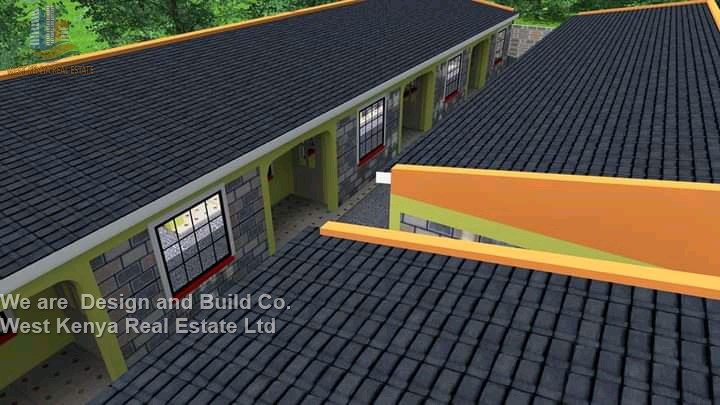
Case Study Examples: Real Cost Scenarios
To better understand the cost of building in Nairobi vs rural Kenya, it is helpful to look at real-world construction scenarios for similar house types in different locations.
Example 1: Nairobi 3-Bedroom Bungalow
A standard 3-bedroom bungalow in Nairobi typically costs between KES 6 million and KES 12 million+, depending on finishes and design complexity.
Breakdown:
- Structure (foundation, walls, roofing): 40–50%
- Finishes (tiles, ceilings, fittings): 30–40%
- Labour and supervision: 10–15%
- Approvals and miscellaneous costs: 5–10%
Urban projects also incur higher costs due to strict approvals and higher labour rates.
Example 2: Rural Kenya 3-Bedroom Bungalow
In rural areas, the same house may cost between KES 4 million and KES 8 million.
Key advantages:
- Lower labour costs reduce overall budget
- Land is cheaper or already owned
- Local materials (stone, sand) reduce structural costs
Challenges:
- Transport of cement, steel, and finishing materials increases cost
- Limited skilled labour may slow down progress
- Longer construction timelines can affect budgeting
Example 3: Mid-Range Maisonette Comparison
A maisonette significantly increases construction complexity, with costs ranging:
- Nairobi: KES 10 million – 20 million+
- Rural Kenya: KES 8 million – 15 million
In this case, the urban-rural gap widens less than expected because multi-storey buildings require skilled engineers, imported materials, and stronger supervision regardless of location.
Insight: As design complexity increases, location savings reduce. This shows that complexity amplifies cost differences, especially in urban construction where standards and approvals are stricter.
Cost Breakdown per Square Metre & House Type
Construction costs in Kenya are commonly measured using the cost per square metre (m²), but the actual price depends heavily on the type of house and level of finishing.
Generally, budget homes cost between KES 35,000 – 45,000 per m², especially in rural areas where labour and materials are cheaper. These homes use basic finishes, standard roofing, and simple layouts.
Standard homes, which are the most common for middle-income families, range between KES 45,000 – 65,000 per m². They include improved finishes, better flooring, modern kitchens, and stronger structural design.
At the top end, luxury homes can cost KES 65,000 – 80,000+ per m², especially in Nairobi. These include premium materials, custom interiors, smart home features, and high-end architectural designs.
Nairobi vs Rural Cost Summary
- Nairobi: Higher range due to labour, permits, and demand
- Rural Kenya: Lower range due to cheaper labour and local materials
House Type Averages
- 2-bedroom house: KES 2.5M – 6M
- 3-bedroom house: KES 4M – 12M
- 4-bedroom house: KES 6M – 18M+
However, relying only on cost per square metre is misleading without context. Location, design complexity, soil conditions, transport costs, and contractor efficiency all significantly affect the final budget. Two houses with the same size can have very different total costs depending on where and how they are built.
How to Reduce Construction Costs in Both Locations
Reducing construction costs in both Nairobi and rural Kenya requires smart planning, disciplined execution, and informed decision-making rather than simply choosing the cheapest options. One of the most effective strategies is using efficient architectural designs. Simple, well-planned layouts reduce wasted space, lower material usage, and speed up construction without compromising functionality.
Another key cost-saving method is bulk purchasing of construction materials. Buying cement, steel, tiles, and other materials in larger quantities often attracts discounts and reduces transport costs per unit. This strategy also helps avoid price increases caused by inflation during long projects.
Hiring experienced contractors early is equally important. Skilled contractors provide accurate cost estimates, minimize wastage, and ensure proper supervision, which reduces costly mistakes and rework.
Proper planning before construction begins is critical. A complete and well-reviewed bill of quantities (BQ), architectural drawings, and budget plan helps prevent unexpected expenses during execution.
One of the most common causes of budget overruns is mid-project design changes. Altering plans after construction has started leads to material wastage, labour delays, and increased costs, so decisions should be finalized early.
In rural Kenya, local sourcing of materials such as stone, sand, and timber can significantly reduce costs, while minimizing transport expenses.
Finally, adopting a phased construction approach helps manage cash flow. Instead of building everything at once, homeowners can complete construction in stages based on available funds, reducing financial pressure while maintaining progress.
Overall, cost control is achieved not by cutting corners, but by planning strategically and executing efficiently from start to finish.
Common Mistakes When Comparing Nairobi vs Rural Building Costs
When comparing the cost of building in Nairobi vs rural Kenya, many people make errors that lead to unrealistic budgets and poor financial planning.
One major mistake is ignoring transport costs in rural areas, especially for heavy materials like cement, steel, and roofing sheets, which can significantly increase total expenses. Another common issue is underestimating labour shortages, where rural areas may lack skilled professionals, leading to delays or the need to hire workers from towns at higher rates.
People also often make inaccurate comparisons by mixing land-inclusive and land-exclusive costs, which distorts the real difference between urban and rural construction. Focusing only on the cheapest cost per square metre is another mistake, as it ignores key factors like design complexity, location challenges, and hidden costs.
Finally, poor budgeting and lack of a contingency fund leave many projects vulnerable to delays and cost overruns. Proper comparison requires a full understanding of all cost components, not just headline figures.


