
Explore the key construction challenges in urban Nairobi, including land disputes, approvals, high costs, infrastructure limits, labor shortages, and practical solutions for successful project delivery.
Introduction: Understanding Construction in Nairobi’s Rapidly Growing Urban Environment
Nairobi has experienced remarkable urban growth over the past two decades, transforming into one of East Africa’s leading economic and commercial hubs. The city’s expanding population, increasing rural-to-urban migration, and growing middle class have created an unprecedented demand for residential, commercial, industrial, and mixed-use developments. As a result, construction activity has intensified across neighborhoods such as Kilimani, Westlands, Upper Hill, South C, and Ruaka, reshaping the city’s skyline with modern apartments, office towers, shopping complexes, and infrastructure projects.
One of the most noticeable trends in Nairobi’s urban landscape is the rise of high-rise developments. With limited land availability and increasing property values, developers are maximizing land use by constructing taller buildings to accommodate growing demand. While these developments contribute to economic growth and address housing shortages, they also introduce new technical, regulatory, and logistical challenges.
Urban construction in Nairobi is becoming increasingly complex due to factors such as strict planning regulations, land ownership disputes, infrastructure limitations, environmental compliance requirements, and rising construction costs. Developers must also navigate lengthy approval processes, traffic congestion, fluctuating material prices, labor shortages, and growing expectations for sustainable building practices.
These challenges can significantly affect project timelines, budgets, quality, and overall profitability if not properly managed. Understanding the realities of construction in Nairobi’s urban environment is therefore essential for investors, contractors, architects, engineers, and property developers. This article explores the major construction challenges in urban Nairobi, their impact on project success, and practical strategies that industry professionals can use to overcome them effectively.
The State of Urban Construction in Nairobi Today
Nairobi’s Population Growth and Urban Expansion
Nairobi continues to experience rapid population growth, making it one of the fastest-growing cities in Africa. The city’s economic opportunities attract thousands of people each year from different parts of Kenya and neighboring countries, increasing the demand for housing, infrastructure, and public services. As the population expands, urban development has spread beyond traditional city boundaries into surrounding areas such as Ruaka, Ruiru, Syokimau, Kitengela, and Athi River. This expansion has created numerous opportunities for construction companies, developers, and investors seeking to meet the needs of a growing urban population. However, it has also placed significant pressure on existing infrastructure, transportation networks, and public utilities, making construction projects more complex and requiring careful planning to ensure sustainable urban growth.
Rising Demand for Housing and Commercial Spaces
The growing population and expanding economy have fueled a strong demand for both residential and commercial developments across Nairobi. Developers are increasingly investing in apartment complexes, gated communities, office buildings, shopping centers, hotels, and mixed-use developments to accommodate the city’s evolving needs. The government’s affordable housing initiatives have further stimulated construction activity, encouraging private sector participation in large-scale housing projects. At the same time, businesses continue to seek modern office spaces and retail facilities in strategic locations such as Westlands, Upper Hill, Kilimani, and Karen. While this demand creates significant investment opportunities, it also intensifies competition for land, increases property prices, and places additional strain on urban infrastructure, creating several challenges for construction stakeholders.
Land Acquisition and Ownership Disputes
Land acquisition remains one of the most challenging aspects of construction in urban Nairobi. Before any development begins, developers must secure land with a clear and legally recognized title. However, disputes over ownership, inaccurate records, and lengthy legal battles often create significant risks that can delay projects, increase costs, and discourage investment. Understanding these challenges is essential for anyone planning a construction project in the city.
Multiple Land Ownership Claims
One of the most common land-related challenges in Nairobi is the existence of multiple ownership claims on a single parcel of land. Cases involving fraudulent land transactions, duplicate title deeds, and unauthorized sales have become increasingly common in some areas. Unsuspecting buyers may purchase land only to discover that another individual, company, or institution claims ownership of the same property. Such disputes can halt construction activities, trigger costly legal proceedings, and result in substantial financial losses. Developers must therefore verify ownership thoroughly before completing any land transaction.

Incomplete Land Records and Title Verification Issues
Although Kenya has made progress in digitizing land records, inconsistencies and gaps in documentation still exist. Some land parcels have incomplete ownership histories, missing records, or unresolved boundary disputes. These challenges make it difficult to confirm whether a title deed is genuine and whether the seller has the legal authority to transfer ownership. Inaccurate records can also lead to conflicts with neighboring property owners. Proper title verification through the Ministry of Lands, professional surveyors, and qualified legal experts is essential to minimize these risks.
Legal Delays and Court Cases Affecting Construction
Land disputes frequently end up in court, where cases can take months or even years to resolve. During this period, construction projects may be suspended through court orders, causing significant delays and increasing project costs. Investors may also face uncertainty regarding project timelines and expected returns. In some cases, partially completed developments remain abandoned while legal proceedings continue. These delays can negatively affect financing arrangements, contractor schedules, and overall project viability.
Key Insight: Due diligence is one of the most important steps in any construction project. Conducting thorough title searches, land surveys, legal reviews, and ownership verification before purchasing land can help developers avoid costly disputes, prevent project delays, and protect their investment from future legal challenges.
Challenges in Obtaining Building Approvals and Permits
Securing building approvals and permits is one of the most significant challenges facing developers and contractors in Nairobi. Before construction can legally begin, projects must satisfy a range of regulatory requirements from multiple government agencies and professional bodies. While these regulations are designed to ensure safety, environmental protection, and proper urban planning, the approval process can often be lengthy and complex. Delays in obtaining permits frequently affect project schedules, financing arrangements, and overall profitability, making approvals one of the most cited bottlenecks in Nairobi construction projects.
Nairobi County Approval Requirements
Every construction project in Nairobi must obtain approval from Nairobi City County before work begins. Developers are required to submit architectural drawings, structural designs, site plans, and other supporting documents for review. Architectural approvals assess compliance with zoning regulations, land-use policies, and development standards, while structural approvals verify the safety and stability of the proposed building. Depending on the nature and size of the project, developers may also need utility approvals related to water, sewerage, electricity, and road access connections. Meeting all these requirements can be time-consuming, particularly for large or complex developments.
Delays in Permit Processing
Although approval systems have improved through digital platforms, delays in permit processing remain a common challenge. Applications often undergo multiple reviews, corrections, and consultations before approval is granted. Missing documentation, design revisions, or high application volumes can further extend processing times. In some cases, developers may wait weeks or months before receiving the necessary permits to commence construction. These delays can disrupt project schedules and create uncertainty for investors, contractors, and financiers.
Regulatory Compliance Challenges
Construction projects in Nairobi must comply with numerous regulatory requirements beyond county approvals. Developers may need approval from the National Environment Management Authority (NEMA) through Environmental Impact Assessments, particularly for large-scale developments. Registration with the National Construction Authority (NCA) is also mandatory for contractors undertaking construction works. Navigating these requirementswhile ensuring full compliance can be challenging, especially for inexperienced developers.
Impact of Approval Delays on Project Timelines and Costs
Approval delays can have significant financial consequences. Extended waiting periods may increase financing costs, delay contractor mobilization, and expose projects to material price fluctuations. Investors may also experience postponed returns on investment due to delayed project completion. Effective planning, early engagement with regulatory authorities, and submission of complete documentation can help reduce approval-related setbacks and improve overall project efficiency.
High Land Costs and Limited Space for Development
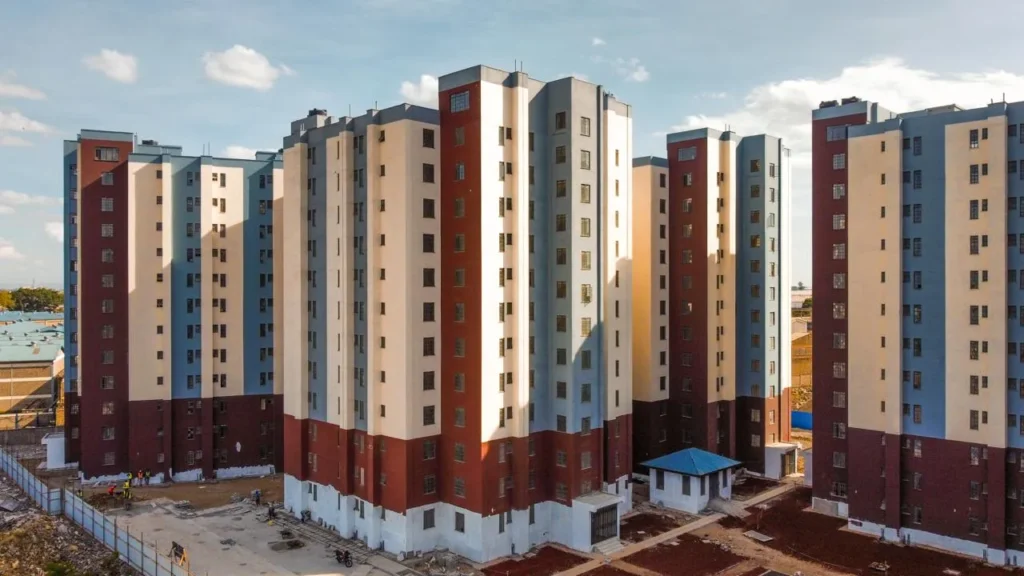
As Nairobi continues to expand, the availability of affordable and strategically located land has become increasingly limited. Rapid urbanization, population growth, and strong investor interest have driven land prices to record levels in many parts of the city. For developers, acquiring suitable land is often one of the largest project expenses, significantly influencing construction budgets and investment decisions. The scarcity of undeveloped urban land has also encouraged higher-density developments, including apartment complexes and commercial high-rises, particularly in prime locations.
Rising Property Prices in Prime Locations
Land prices in established urban areas such as Westlands, Kilimani, Upper Hill, South B, and South C have risen substantially over the years. These locations remain highly attractive due to their proximity to business districts, transportation networks, schools, hospitals, and other essential amenities. As demand for development opportunities continues to grow, property owners are able to command premium prices for available parcels. The high cost of land increases the overall capital required for construction projects and can create significant barriers for smaller developers seeking to enter the market.
Competition for Buildable Urban Land
The limited supply of developable land has intensified competition among developers, investors, corporations, and institutions. Prime plots often attract multiple buyers, driving prices even higher. In some cases, older residential properties are purchased and redeveloped into high-density apartment blocks or commercial buildings to maximize land value. This competition has encouraged developers to explore redevelopment opportunities, mixed-use projects, and vertical construction strategies. However, increased competition can also lead to speculative pricing and challenges in identifying financially viable development sites.
Impact on Project Feasibility and ROI
High land acquisition costs directly affect project feasibility and expected returns on investment (ROI). Developers must carefully evaluate whether projected rental income or property sales can justify the combined costs of land purchase, approvals, construction, financing, and infrastructure connections. Rising land prices may force developers to increase selling prices or rental rates, potentially reducing market competitiveness. To maintain profitability, many investors are adopting innovative design approaches, optimizing land use, and focusing on high-demand locations where long-term property appreciation can offset the initial investment costs.
Traffic Congestion and Site Accessibility Problems
Traffic congestion is one of the most persistent challenges affecting construction projects in Nairobi. As the city continues to grow, increased vehicle numbers, limited road capacity, and ongoing infrastructure works contribute to frequent traffic jams across major routes. For construction companies, congestion creates significant logistical difficulties, affecting the timely transportation of materials, equipment, and workers to project sites. These challenges can disrupt project schedules, increase operational costs, and reduce overall efficiency.
Transportation Challenges for Materials and Equipment
Construction projects rely heavily on the timely delivery of materials such as cement, steel, sand, aggregates, and prefabricated components. However, transporting these materials through Nairobi’s congested road network can be difficult, particularly when projects are located in densely populated areas. Heavy machinery and specialized equipment may also face accessibility challenges due to narrow roads, limited parking space, and traffic restrictions. As a result, contractors must carefully plan delivery schedules, often arranging transportation during off-peak hours to minimize disruptions. Poor coordination can lead to material shortages on-site, idle labor, and interruptions to construction activities.
Delays Caused by Nairobi Traffic Patterns
Nairobi’s traffic patterns frequently contribute to project delays and increased operating expenses. Delivery vehicles may spend hours in traffic, extending transportation times and reducing productivity. Longer travel durations also lead to increased fuel costs, vehicle wear and tear, and higher logistics expenses. In some cases, delayed deliveries can affect critical construction activities, forcing contractors to adjust work schedules or postpone planned tasks. Repeated disruptions may ultimately impact project completion dates and increase overall construction costs. To mitigate these challenges, many developers incorporate detailed logistics planning, real-time tracking systems, and flexible delivery schedules into their project management strategies to ensure smoother operations and minimize costly delays.
Inadequate Urban Infrastructure and Utility Constraints
Rapid urbanization has accelerated construction activity across Nairobi, but infrastructure development has not always kept pace with the city’s growth. In many areas, the demand for water, sewerage, electricity, drainage systems, and road networks exceeds the capacity of existing infrastructure. This imbalance creates significant challenges for developers, contractors, and property owners, often increasing project costs and complicating construction planning. As more high-density residential and commercial developments emerge, infrastructure limitations continue to pose a major obstacle to sustainable urban growth.
Water Supply Challenges
Reliable water supply remains a concern in several parts of Nairobi. Some rapidly developing neighborhoods experience water shortages, inconsistent supply, or insufficient distribution capacity to support large-scale developments. Developers may be forced to invest in boreholes, water storage systems, and alternative supply solutions to meet project requirements. These additional investments increase construction and operational costs while also creating long-term maintenance responsibilities for property owners and management teams.
Sewer and Drainage Limitations
Sewerage and drainage systems in some urban areas are under significant pressure due to population growth and increased development density. Existing sewer networks may lack the capacity to accommodate new residential and commercial projects, requiring costly upgrades or alternative waste management solutions. Inadequate drainage infrastructure can also contribute to localized flooding during heavy rains, potentially damaging construction sites, delaying project activities, and increasing maintenance costs after project completion.
Power Supply and Utility Relocation Issues
Construction projects depend heavily on reliable electricity for equipment operation, site activities, and eventual building occupancy. Delays in obtaining utility connections or upgrading existing power infrastructure can affect project timelines. In some cases, developers must coordinate the relocation of power lines, water pipes, or communication networks before construction can proceed. These relocations often require approvals from utility providers and can result in unexpected expenses and scheduling challenges.
Pressure on Existing Infrastructure from High-Density Developments
The rapid growth of apartment complexes, office towers, shopping centers, and mixed-use developments has placed significant pressure on Nairobi’s existing infrastructure. In many areas, development growth has exceeded the capacity of available roads, utilities, drainage systems, and public services. This strain can lead to congestion, service interruptions, and increased infrastructure maintenance requirements. To support sustainable urban development, greater investment in infrastructure expansion and coordinated planning between public authorities and private developers is essential.
Construction Material Price Fluctuations
Construction material costs play a significant role in determining the success and profitability of building projects in Nairobi. However, developers and contractors frequently face challenges arising from unpredictable price fluctuations in key construction materials. Changes in market conditions, inflation, currency exchange rates, and global economic trends can significantly affect project budgets. Since material costs account for a substantial portion of total construction expenses, even minor price increases can have a major impact on project feasibility and financial planning.
Cement and Steel Cost Volatility
Cement and steel are among the most essential materials used in construction, and their prices often fluctuate due to changing production costs, market demand, and supply conditions. Rising fuel and energy costs can increase manufacturing expenses, which are ultimately passed on to consumers. Additionally, inflation continues to affect the cost of raw materials and transportation, contributing to higher prices across the construction sector. Sudden increases in cement and steel costs can disrupt project budgets, particularly for large-scale developments that require significant quantities of these materials.
Supply Chain Disruptions
Construction projects in Nairobi are also vulnerable to supply chain disruptions that affect the availability and pricing of materials. Delays at ports, transportation bottlenecks, global shortages, and international market uncertainties can create supply challenges. Many construction materials, equipment components, and finishing products are imported, making them sensitive to currency fluctuations and changes in international trade conditions. When imported materials become more expensive or difficult to obtain, developers may face procurement delays and increased project costs.
Managing Budget Overruns Effectively
To minimize the impact of material price fluctuations, developers must adopt proactive financial planning strategies. Accurate cost estimation, contingency budgeting, and early procurement of critical materials can help reduce exposure to unexpected price increases. Long-term supplier agreements may also provide greater price stability for major projects. Regular market monitoring allows project teams to anticipate changes in inflation, exchange rates, and material availability. By incorporating risk management measures into project planning, developers can better control budget overruns, maintain profitability, and improve the likelihood of completing projects within their planned financial targets.

Skilled Labor Shortages and Workforce Management
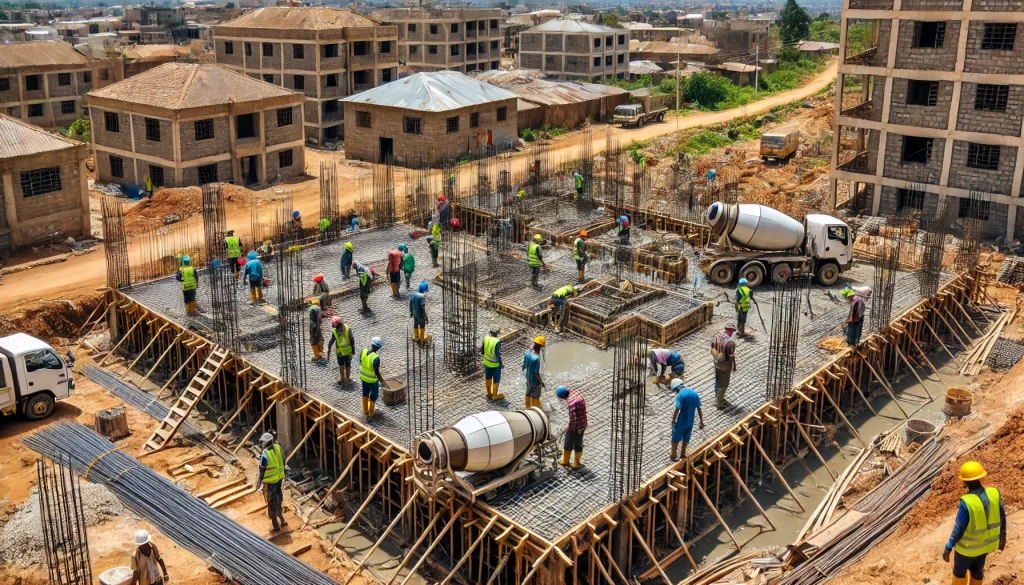
The success of any construction project depends heavily on the availability of qualified and experienced personnel. However, many construction projects in Nairobi face challenges related to skilled labor shortages and workforce management. As the demand for residential, commercial, and infrastructure developments continues to grow, the need for competent professionals and skilled tradespeople has increased significantly. A shortage of qualified workers can affect project quality, productivity, safety, and completion timelines, making workforce management a critical aspect of successful project delivery.
Shortage of Specialized Construction Professionals
Nairobi’s construction sector requires a wide range of specialized professionals, including engineers, quantity surveyors, architects, project managers, and site supervisors. These experts play essential roles in project planning, cost control, quality assurance, and regulatory compliance. However, the growing volume of construction projects has created increased competition for experienced professionals, making recruitment and retention more challenging. In some cases, developers may struggle to secure qualified personnel for complex projects, leading to delays in decision-making, design coordination, and project execution. The shortage of specialized expertise can also increase labor costs as companies compete for highly skilled professionals.
Productivity and Labor Retention Challenges
Beyond professional shortages, the industry also faces difficulties in managing skilled artisans such as masons, carpenters, steel fixers, plumbers, electricians, and painters. High labor turnover, inconsistent skill levels, and seasonal movement of workers between projects can disrupt construction activities and reduce productivity. Retaining experienced workers is often difficult when competing projects offer better wages or working conditions. Frequent workforce changes may result in reduced efficiency, communication gaps, and increased training requirements. To address these challenges, many construction firms invest in employee development programs, competitive compensation packages, improved working conditions, and effective supervision systems. Strong workforce management practices help improve productivity, enhance quality, and ensure projects are completed safely and on schedule.
Safety Risks and Building Quality Concerns
Construction sites in Nairobi face significant safety and quality challenges that can impact workers, project timelines, and the long-term durability of buildings. As urban development accelerates, the pressure to complete projects quickly and at lower costs sometimes leads to compromised safety standards and reduced quality control. Recent industry discussions continue to highlight concerns about planning enforcement, quality control, and unsafe construction practices, making safety and compliance critical priorities for all stakeholders in the construction sector.
Common Site Safety Hazards
Construction sites present numerous safety risks, including falls from heights, falling objects, machinery accidents, electrical hazards, and exposure to hazardous materials. In densely populated urban areas, limited space can increase the likelihood of accidents due to overcrowding of workers, equipment, and materials. Poor site organization, inadequate protective gear, and lack of proper supervision further contribute to workplace injuries. Ensuring that safety protocols are followed consistently is essential to protect workers and maintain smooth project execution.
Non-Compliance with Building Standards
Non-compliance with established building codes and construction standards remains a challenge in some urban developments. This may include the use of substandard materials, deviation from approved designs, or failure to follow structural guidelines. Such practices can compromise building integrity and pose serious risks to occupants. Regulatory bodies such as county authorities, the National Construction Authority (NCA), and professional associations play a crucial role in enforcing compliance, but gaps in monitoring and enforcement can still occur.
Building Collapse Risks and Lessons Learned
Cases of structural failure and building collapse, though not frequent, have raised serious concerns about construction quality in Nairobi. These incidents often result from poor workmanship, inadequate supervision, or failure to adhere to engineering standards. Each occurrence serves as a reminder of the importance of strict adherence to approved designs and professional oversight. Strengthening inspection processes and accountability is essential to prevent future tragedies and improve public confidence in the construction industry.
Best Practices for Quality Assurance
Effective quality assurance in construction involves continuous supervision, regular inspections, and adherence to approved designs and standards. Employing qualified professionals, conducting material testing, and maintaining proper documentation are key strategies for ensuring quality. Clear communication between contractors, engineers, and site supervisors also helps maintain consistency throughout the project. By prioritizing quality assurance, developers can reduce risks, improve safety, and deliver durable, high-quality structures that meet regulatory and client expectations.
Environmental and Sustainability Challenges
As Nairobi continues to expand, environmental and sustainability considerations have become increasingly important in the construction sector. Developers are now expected to balance rapid urban growth with responsible resource use, waste reduction, and environmental protection. Regulatory bodies such as the National Environment Management Authority (NEMA) play a central role in ensuring that construction activities comply with environmental standards. While these requirements promote sustainable development, they also introduce additional processes and costs that developers must manage effectively.
Waste Management on Urban Construction Sites
Construction sites generate significant amounts of waste, including soil, concrete debris, wood, metal scraps, and packaging materials. In densely populated urban areas, improper waste disposal can lead to pollution, blocked drainage systems, and health hazards for surrounding communities. Developers are required to implement proper waste management plans, including sorting, recycling, and safe disposal methods. However, limited space on construction sites and inadequate disposal infrastructure can make effective waste management challenging.
Environmental Impact Assessments and Compliance
Before major construction projects begin, developers are required to conduct Environmental Impact Assessments (EIAs) and obtain approval from NEMA. These assessments evaluate the potential effects of a project on air quality, water resources, noise levels, and surrounding ecosystems. Compliance with environmental regulations may also require mitigation measures such as dust control, noise reduction, and stormwater management systems. While these processes are essential for sustainable development, they can add time and cost to project planning and approval stages.
Green Building Requirements and Opportunities
There is a growing emphasis on green building practices in Nairobi’s construction sector. Sustainable construction approaches include energy-efficient designs, water conservation systems, use of eco-friendly materials, and incorporation of renewable energy solutions such as solar power. These practices help reduce environmental impact while improving long-term operational efficiency. Although initial implementation costs may be higher, green buildings offer long-term savings and increased property value. As awareness grows, sustainable construction is becoming both a regulatory expectation and a competitive advantage in the market.
Urban Planning and Zoning Restrictions
Urban planning and zoning regulations play a critical role in shaping how Nairobi develops, determining where and how different types of construction projects can take place. These rules are intended to promote orderly growth, protect public safety, and ensure sustainable land use. However, challenges such as inconsistent enforcement, outdated planning frameworks, and rapid urban expansion continue to affect development outcomes across the city. Urban planning challenges and inconsistent enforcement continue to affect development outcomes across Nairobi, creating uncertainty for developers and investors.
Density Regulations and Height Restrictions
Nairobi’s planning policies include strict controls on building density and height, especially in residential and mixed-use zones. These regulations determine how many units can be constructed on a given parcel of land and the maximum number of floors allowed. In high-demand areas, developers often seek to maximize land use through high-rise buildings, but must still comply with zoning limits and structural safety requirements. Height restrictions may also vary depending on proximity to airports, road reserves, and infrastructure corridors, making it essential for developers to carefully assess site-specific planning conditions before design and construction.
Land Use Zoning Requirements
Zoning regulations in Nairobi classify land into specific categories such as residential, commercial, industrial, institutional, and mixed-use zones. Each category has defined development guidelines that must be followed. For example, residential zones may restrict commercial activities, while industrial zones may limit residential developments. Developers must ensure that proposed projects align with the designated land use to avoid rejection or costly redesigns. Failure to comply with zoning requirements can result in approval delays, penalties, or even demolition orders, making zoning compliance a crucial step in the planning process.

Effects of Poor Urban Planning on Construction Projects
Inadequate or inconsistent urban planning can lead to significant challenges in construction projects. These include infrastructure strain, traffic congestion, uncoordinated development, and conflicts between neighboring land uses. Poor planning can also result in inefficient land utilization and increased pressure on public utilities such as water, sewerage, and electricity. For developers, this may translate into higher costs, delayed approvals, and reduced project efficiency. Strengthening urban planning frameworks and ensuring consistent enforcement can help create a more predictable and sustainable construction environment in Nairobi.
Corruption, Compliance, and Governance Challenges
Corruption, weak enforcement, and governance challenges remain sensitive but important issues affecting construction in urban Nairobi. While regulatory frameworks exist to ensure safe, legal, and well-planned developments, inconsistencies in enforcement and unethical practices can undermine compliance efforts. These challenges can increase project risks, delay approvals, and compromise building quality. As the sector continues to grow, strengthening transparency, accountability, and adherence to regulations is essential for sustainable urban development and investor confidence.
Unauthorized Developments
Unauthorized developments refer to construction projects that proceed without proper approvals or deviate from approved plans. In some cases, developers may begin work without permits or make structural changes that violate building regulations. These actions can result in penalties, stop-work orders, or even demolition of illegal structures. Unauthorized developments also pose safety risks to occupants and surrounding communities, especially when buildings do not meet structural or zoning standards. Strict adherence to approval processes is therefore critical to ensure safety and legality.
Enforcement Gaps and Regulatory Risks
Despite existing regulations, enforcement gaps can sometimes occur due to limited inspection capacity, administrative inefficiencies, or non-compliance by developers. These gaps may allow substandard construction practices to go unnoticed until later stages of development. Regulatory risks also arise when approval processes are not consistently applied, creating uncertainty for investors and contractors. Strengthening monitoring systems, increasing site inspections, and improving coordination among regulatory bodies can help reduce these risks and promote fair compliance across the industry.
How Ethical Construction Practices Reduce Project Risk
Ethical construction practices play a vital role in reducing project risks and improving overall industry standards. Transparency in procurement, adherence to approved designs, and compliance with building codes help ensure that projects are safe, legal, and sustainable. Professional accountability among architects, engineers, contractors, and site supervisors enhances quality control and reduces the likelihood of costly mistakes. By prioritizing transparency, compliance, and ethical conduct, developers can build trust with regulators, investors, and clients while minimizing legal, financial, and operational risks in construction projects.
Technology as a Solution to Nairobi’s Construction Challenges
Technology is increasingly becoming a key driver in addressing construction challenges in urban Nairobi. As projects grow in size and complexity, digital tools are helping improve planning accuracy, cost control, communication, and compliance. From design to execution, technology enables better decision-making, reduces errors, and enhances efficiency across construction projects. Developers, contractors, and consultants are gradually adopting digital solutions to overcome issues such as delays, cost overruns, poor coordination, and regulatory bottlenecks.
Building Information Modeling (BIM)
Building Information Modeling (BIM) is transforming how construction projects are designed and managed in Nairobi. BIM allows professionals to create detailed 3D digital models of buildings that integrate architectural, structural, and mechanical systems. This improves coordination among engineers, architects, and contractors, reducing design conflicts and construction errors. BIM also enhances cost estimation, project visualization, and lifecycle planning, making it easier to identify potential issues before construction begins. As adoption increases, BIM is helping improve project efficiency and reduce waste in the construction process.
Digital Project Management Tools
Digital project management tools are increasingly being used to improve communication, scheduling, and resource allocation in construction projects. Platforms for task tracking, document sharing, and real-time reporting help ensure that all stakeholders remain aligned throughout the project lifecycle. These tools also improve transparency by allowing project managers to monitor progress, track budgets, and identify delays early. In a fast-paced construction environment like Nairobi, digital project management systems help reduce inefficiencies and improve overall project delivery.
Smart City and Construction Technology Trends
Nairobi is gradually embracing smart city technologies that support more efficient urban development. These include the use of drones for site surveys, geographic information systems (GIS) for planning, and automated systems for monitoring construction progress. Emerging technologies such as artificial intelligence and data analytics are also being explored to improve decision-making and resource management. As these innovations become more accessible, they are expected to play a major role in improving construction quality, sustainability, and efficiency across the city.
Practical Strategies for Successfully Managing Construction Projects in Urban Nairobi
Successfully executing construction projects in Nairobi requires more than just funding and materials. Developers must adopt a structured approach that addresses regulatory, financial, technical, and operational challenges common in urban environments. By applying practical strategies, stakeholders can reduce risks, improve efficiency, and ensure projects are completed on time, within budget, and to required quality standards.
Conduct Thorough Due Diligence
Before acquiring land or starting any project, developers should conduct comprehensive due diligence. This includes verifying land ownership, checking title deeds, confirming zoning regulations, and assessing site suitability. Engaging legal experts and licensed surveyors helps reduce risks associated with fraud, disputes, and regulatory non-compliance. Proper due diligence ensures a solid foundation for successful project execution.
Engage Qualified Professionals Early
Involving qualified professionals such as architects, engineers, quantity surveyors, and project managers from the early stages is essential. These experts help with planning, design optimization, cost estimation, and regulatory approvals. Early engagement ensures better coordination, reduces design errors, and improves compliance with building standards and county requirements.
Develop Strong Risk Management Plans
Construction projects should include detailed risk management strategies that identify potential challenges such as cost overruns, delays, material shortages, and labor issues. Setting contingency budgets, creating flexible timelines, and establishing alternative suppliers can help mitigate disruptions. Proactive planning allows teams to respond quickly to unexpected challenges.
Maintain Regulatory Compliance
Adhering to all legal and regulatory requirements is critical for project success. This includes obtaining approvals from Nairobi City County, NEMA, and the National Construction Authority. Regular inspections and documentation help ensure compliance throughout the construction process, reducing the risk of penalties or project stoppages.
Leverage Technology and Data
Using digital tools such as Building Information Modeling (BIM), project management software, and data analytics can significantly improve efficiency. These technologies enhance communication, reduce errors, and provide real-time insights into project progress. Leveraging technology helps developers make informed decisions and improve overall project performance.
Future Outlook for Construction in Urban Nairobi
The future of construction in urban Nairobi is expected to be shaped by rapid population growth, government-led development programs, and increasing private sector investment. As the city continues to expand, both opportunities and challenges will evolve, requiring more innovative, efficient, and sustainable approaches to construction. Developers, contractors, and investors who adapt to emerging trends will be better positioned to benefit from Nairobi’s dynamic real estate and infrastructure market.
One of the most significant drivers of future growth is the government’s affordable housing initiative. This program aims to reduce the housing deficit by encouraging large-scale residential developments, creating opportunities for contractors and suppliers across the construction value chain. At the same time, major infrastructure expansion projects, including road networks, rail systems, and utility upgrades, are expected to improve connectivity and support urban development in surrounding areas.
Smart city developments are also gaining traction, with increased focus on integrating technology into urban planning and service delivery. Digital approvals systems are gradually improving efficiency in construction permitting, reducing delays and enhancing transparency in regulatory processes. These improvements are expected to make it easier for developers to navigate compliance requirements.
Sustainability is another key trend shaping the future of construction in Nairobi. Green building practices, energy-efficient designs, and environmentally responsible construction methods are becoming more common as awareness of climate change and resource conservation grows. Developers are increasingly adopting sustainable materials and technologies to reduce long-term operational costs and environmental impact.
Overall, Nairobi presents strong future investment opportunities in residential housing, commercial real estate, infrastructure, and mixed-use developments. However, success will depend on strategic planning, regulatory compliance, technological adoption, and a strong understanding of evolving urban dynamics. Those who embrace innovation and sustainability will be best positioned to thrive in the city’s growing construction sector.
Conclusion – Navigating Construction Challenges in Urban Nairobi Successfully
Construction in urban Nairobi presents a wide range of challenges that developers, contractors, and investors must navigate carefully to achieve successful project outcomes. The city’s rapid urbanization and growing demand for housing and commercial spaces have intensified pressure on land, infrastructure, and regulatory systems, making construction projects more complex than ever. Understanding these challenges is essential for effective planning and execution in today’s competitive environment.
Key issues affecting construction include land ownership disputes, which can delay or halt projects due to legal conflicts and verification problems. Building approvals remain a major bottleneck, often involving multiple regulatory bodies and lengthy processing times. High land costs in prime areas continue to affect project feasibility, while traffic congestion disrupts material delivery and increases logistics costs.
In addition, inadequate infrastructure in some areas creates limitations in water supply, drainage, and power connectivity. Material price fluctuations driven by inflation, currency changes, and global supply chains further complicate budgeting and cost control. The industry also faces skilled labor shortages, affecting both professional services and on-site productivity.
Safety concerns and building quality issues highlight the need for strict adherence to construction standards and proper site supervision. Environmental compliance requirements, including NEMA regulations, add another layer of responsibility for developers. Urban planning and zoning restrictions also influence project design, density, and land use, sometimes limiting development potential. At the same time, technology adoption is emerging as a critical solution for improving efficiency, coordination, and project management.
Despite these obstacles, Nairobi remains one of East Africa’s most attractive construction markets. Developers, contractors, and investors who understand the unique challenges of urban construction can significantly reduce risks, control costs, and improve project outcomes. Success depends on strategic planning, regulatory compliance, professional project management, and adopting innovative technologies that address the realities of a rapidly growing city.