
Affordable Housing in Kenya
Discover the latest affordable housing developments in Kenya, including government programs, low-cost housing projects, financing options, and how to apply. Get expert insights on costs, benefits, and investment opportunities in 2025.
Introduction
Affordable housing in Kenya is increasingly becoming a key solution to the country’s growing housing deficit. With rapid urbanisation and population growth, many citizens struggle to access safe and affordable homes. The government, together with private developers, has launched multiple low-cost housing Kenya projects aimed at providing accessible homes for first-time buyers, investors, and families.
These initiatives, including the Kenya Affordable Housing Program 2025 and county-level housing projects, are designed to bridge the gap between demand and supply while promoting inclusive communities. Understanding the latest developments, financing options, and eligibility criteria is essential for anyone looking to invest in or apply for affordable housing in Kenya.
Why Affordable Housing Matters in Kenya
Kenya’s Housing Deficit and Urbanisation Challenges
Kenya faces a significant housing shortage, especially in urban areas like Nairobi, Mombasa, and Kisumu. Rapid population growth and rural-to-urban migration have intensified the need for affordable housing in Kenya. Without proper planning, informal settlements continue to expand, putting pressure on infrastructure and social services.
Key points:
- Over 2 million housing units are needed nationwide.
- Urban population is projected to grow steadily over the next decade.
- Affordable homes help reduce slum proliferation and overcrowding.
Economic and Social Impact of Affordable Housing
Investing in affordable housing projects boosts Kenya’s economy by creating jobs in construction, materials supply, and related services. Socially, these homes provide secure living conditions, reduce overcrowding, and promote inclusive communities.
Benefits include:
- Job creation across multiple sectors.
- Improved living standards and community stability.
- Long-term value appreciation for homeowners.
Services Included in Affordable Housing Projects
Standard Features of Government and Private Low-Cost Housing
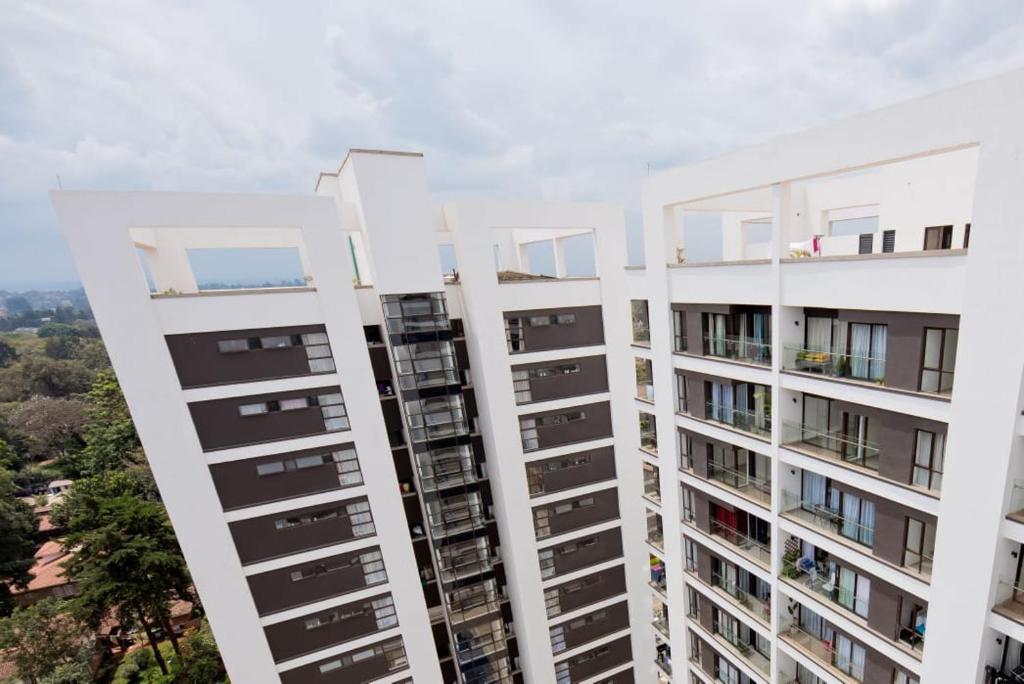
Affordable housing in Kenya typically comes with basic finishes, functional kitchens, bathrooms, and living spaces. Some projects also offer modern touches like security fencing and gated communities. These features ensure that homes are safe, comfortable, and ready to move in.
Infrastructure and Utilities (Roads, Water, Electricity)
Low-cost housing projects often include essential infrastructure such as:
- Paved roads and street lighting
- Reliable water supply and sanitation
- Electricity connections and energy-efficient installations
Good infrastructure enhances the usability and long-term value of the property.
Community Services (Schools, Health Centers, Security)
Many projects integrate community services to improve livability. These include:
- Nearby schools and daycare centers
- Health facilities within or close to the community
- Security services and patrolled areas
Cost Breakdown of Affordable Homes
Typical Price Ranges by Region (Nairobi vs Counties)
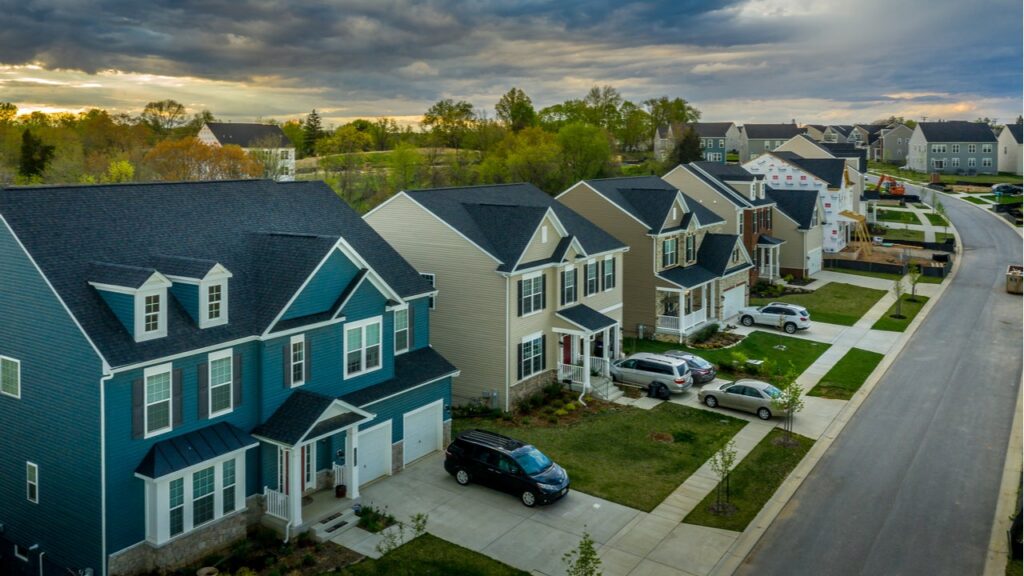
The cost of affordable homes for sale in Kenya varies depending on location. Urban centers like Nairobi and Mombasa are generally more expensive due to high demand, while counties such as Nakuru, Kericho, and Busia offer lower prices. Typical price ranges for low-cost housing Kenya projects are between KES 1.5 million and KES 4 million per unit.
Key points:
- Nairobi and Mombasa: higher-priced, closer to amenities.
- Counties and smaller towns: more affordable, but infrastructure may vary.
- Prices reflect government and developer input under the Kenya Affordable Housing Programme 2025.
Payment Plans: Mortgage, Rent-to-Own, Deposits
Financing options make low-cost housing Kenya accessible to more buyers.
Common options include:
- Mortgage loans through Kenya Mortgage Refinance Company (KMRC)
- Rent-to-own schemes for gradual ownership
- Flexible deposit plans designed for first-time homeowners
These plans reduce the upfront cost and make affordable housing in Kenya attainable for a wider population.
Government Subsidies and Tax Incentives
The government provides subsidies and incentives to lower the overall cost of affordable housing. Benefits include:
- Tax deductions on housing deposits
- Subsidised interest rates for mortgages
- Access to government-backed housing schemes under the Kenya Affordable Housing Programme 2025
Factors Influencing Housing Costs
Location and Accessibility
The price of low-cost housing Kenya units is strongly influenced by location. Homes closer to city centers, transport hubs, and economic zones typically cost more. Accessibility to roads, schools, and health facilities also impacts the value and affordability of a property.
Building Materials and Construction Quality
The choice of construction materials affects both cost and durability. Affordable housing projects balance cost and quality by using standardised, cost-efficient materials that meet safety standards without compromising longevity.
Developer Reputation and Project Scale
Established developers with proven track records often deliver projects on time and maintain construction quality. Large-scale projects can lower per-unit costs through economies of scale, while smaller or new developers may have higher risks of delays.
Market Demand and Government Policies
Housing demand, government policies, and macroeconomic factors influence the cost of affordable homes. Initiatives under the Kenya Affordable Housing Programme 2025, interest rates, and regional demand fluctuations can affect pricing and availability.
Legal & Regulatory Considerations
Affordable Housing Act and County Approvals
The Affordable Housing Act sets the legal standards for all low-cost housing Kenya projects, ensuring compliance with safety, planning, and development requirements. Buyers must confirm that any project has the necessary county approvals before committing. Projects without proper approvals risk legal disputes and delays. Choosing compliant developments guarantees secure investment in affordable housing in Kenya.
Registration, Title Deeds, and Ownership Rights
Verifying title deeds and property registration is essential for secure ownership. Every low-cost housing Kenya unit should have clear documentation under the county land registry. Proper registration protects homeowners from disputes and ensures legal recognition. Buyers should request verification before making payments.
Boma Yangu Platform Application and Compliance
The Boma Yangu platform is the government’s official system for applying for affordable homes. Applicants must meet eligibility requirements, provide accurate documentation, and follow submission guidelines. This ensures compliance with the Kenya Affordable Housing Programme 2025. Using the platform helps citizens secure government-backed housing without delays or complications.
How to Choose the Right Affordable Housing Project
Evaluating Developer Credibility
Research the developer’s track record, including previous projects and delivery timelines. Choosing a reputable developer ensures low-cost housing Kenya projects are completed on schedule and meet quality standards. Check reviews, ratings, and any complaints before committing. A credible developer reduces investment risks and increases homeowner confidence.
Assessing Project Completion Timelines
Check the current stage of construction and expected delivery date. Projects near completion or already finished provide lower risk and faster move-in for affordable housing in Kenya buyers. Delays in ongoing projects can affect finances and planning. Comparing timelines across projects helps buyers make informed decisions.
Considering Financing Options and Eligibility
Before choosing a project, ensure it supports your financing plan, whether through mortgage, rent-to-own schemes, or government subsidies. Check eligibility requirements under the Kenya Affordable Housing Programme 2025 to confirm you qualify. Understanding financing options helps manage costs and reduces the risk of payment issues. This step is critical for first-time buyers and investors alike.
Benefits of Affordable Housing
Economic: Job Creation and Construction Chain Growth
Affordable housing in Kenya stimulates the economy by creating employment across multiple sectors, including construction, materials supply, and logistics. Each project generates jobs for skilled and unskilled workers, boosting local income and livelihoods. Additionally, suppliers of construction materials and services benefit from increased demand. Investing in low-cost housing Kenya supports both individual and national economic growth.
Social: Reduced Slums and Improved Community Inclusion
Providing access to affordable housing reduces informal settlements and overcrowding in urban centers. Well-planned housing projects foster inclusive communities with access to schools, healthcare, and recreational facilities. This improves overall quality of life and social stability for residents. Supporting affordable housing in Kenya creates safer, healthier neighborhoods for families.
Long-Term Property Investment Potential
Affordable homes often appreciate over time, providing opportunities for long-term investment. Buyers can generate rental income or sell units at a higher value in growing urban areas. Strategic investment in low-cost housing Kenya offers both financial security and future wealth creation. Properly chosen projects also tend to maintain consistent demand due to ongoing housing needs.
Common Risks & Challenges
Delays in Construction and Approvals
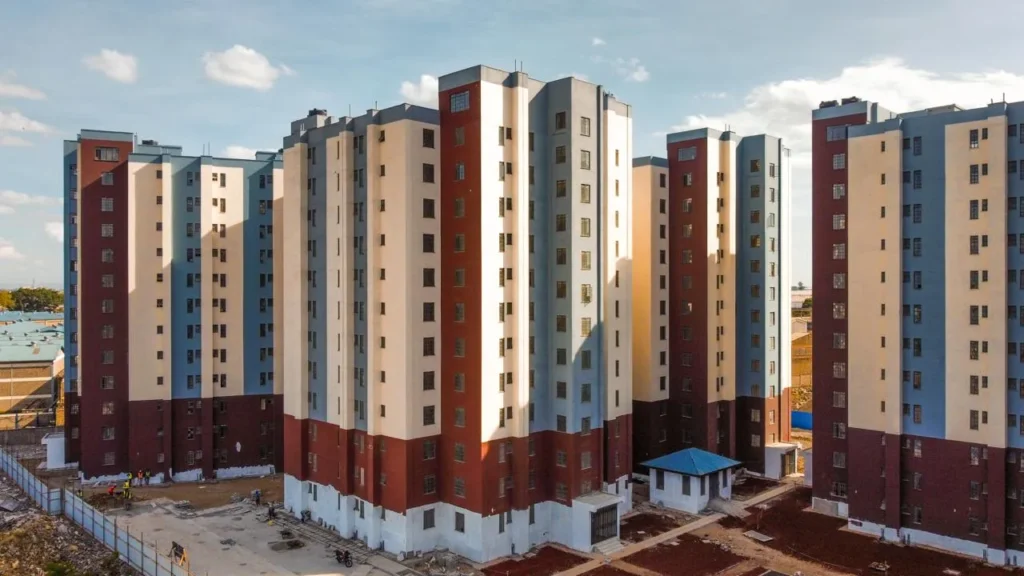
Project delays are common due to regulatory approvals, contractor issues, or funding gaps. Such delays can affect move-in timelines and financial planning for buyers. Ensuring the developer has a strong track record and necessary permits mitigates these risks when investing in affordable housing in Kenya.
Cost Overruns and Material Quality Issues
Unexpected increases in construction costs or use of substandard materials can compromise both affordability and durability. Buyers must verify the quality standards and financial stability of the developer. Transparent costing and reputable suppliers reduce the risk of cost overruns in low-cost housing Kenya projects.
Market Demand Fluctuations
Changes in demand for affordable homes can impact resale value and rental potential. Factors like economic conditions, interest rates, and urban migration influence demand. Understanding market trends helps buyers make informed decisions when investing in affordable housing in Kenya.
Conclusion
Affordable housing in Kenya provides opportunities for first-time buyers, investors, and families seeking secure and cost-effective homes. By understanding pricing, financing options, legal requirements, and project details, buyers can make informed decisions.
Steps to apply or invest:
- Research approved projects under the Kenya Affordable Housing Programme 2025.
- Check eligibility for financing and government-backed schemes.
- Monitor project timelines and delivery stages before committing.
CTAs:
- Browse available affordable housing projects in Kenya
- Book a consultation with a licensed housing agent
- Download a step-by-step affordable housing guide
- Subscribe for updates on new low-cost housing developments
Snippets & Image Packs:
- Cost comparison charts by region and project
- Map of major affordable housing developments across Kenya
- Step-by-step infographic showing the Boma Yangu application process