

Discover the best places to build rental property in Kenya, from Nairobi to emerging towns. Learn top locations, ROI insights, and expert tips to maximize rental income and avoid costly investment mistakes.
Introduction
Kenya’s real estate sector has continued to stand out as one of the most reliable and profitable investment avenues, especially in rental property development. With a steadily growing population and increasing demand for housing, investors are turning to rental units—from bedsitters and one-bedroom apartments to high-end developments—as a sustainable source of passive income. Unlike other investment options that fluctuate significantly, rental property offers both consistent cash flow and long-term capital appreciation.
One of the key drivers behind this growth is rapid urbanization. More people are moving into urban centers such as Nairobi, Mombasa, Kisumu, and Eldoret in search of employment and better opportunities. This migration has intensified the pressure on available housing, creating a significant housing deficit across the country. At the same time, Kenya’s expanding middle class is increasing demand for better-quality, well-located rental housing, further strengthening the sector.
However, not all rental investments deliver the same returns. Some properties achieve high occupancy rates and strong rental yields, while others struggle with vacancies and low income. The difference often comes down to one critical factor—location. Choosing the right area to build your rental property can determine your success or failure as an investor. In this guide, we explore the best places to build rental property in Kenya and how to maximize your returns.
What Makes a Location Ideal for Rental Property in Kenya
Choosing the right location is the foundation of a successful rental property investment in Kenya. While many investors focus on construction quality and design, the truth is that even the best-built property can underperform if it is in the wrong location. To maximize returns and ensure consistent occupancy, investors must evaluate several key factors before committing to any area.
First, rental demand is critical. Different locations attract different types of tenants—students prefer areas near universities, professionals look for housing near business districts, while families prioritize quiet, secure neighborhoods with schools and amenities. Understanding your target tenant helps you align your development with actual market needs.
Second, infrastructure plays a major role in property attractiveness. Areas with good road networks, reliable public transport, water supply, electricity, and internet connectivity tend to attract more tenants and command higher rents. Accessibility directly influences occupancy rates and tenant satisfaction.
Security and neighborhood profile are equally important. Tenants are willing to pay more for properties located in safe, well-maintained environments. A secure neighborhood not only attracts quality tenants but also reduces turnover and vacancy rates.
Another key factor is proximity to economic and social hubs. Properties located near Central Business Districts (CBDs), universities, hospitals, and industrial zones enjoy higher demand due to convenience. Tenants prefer shorter commutes, making such locations highly competitive in the rental market.
Investors must also evaluate rental yield versus property cost. A location with lower land and construction costs but decent rental income often delivers better returns than expensive prime areas with slower payback periods.
Finally, vacancy rates should never be ignored. Areas with high vacancy levels may indicate oversupply or low demand, which can significantly affect your income.
The 5 Pillars of Rental Investment in Kenya
To simplify decision-making, use this framework:
- Demand – Is there a strong and consistent need for rentals?
- Accessibility – Are transport and infrastructure reliable?
- Security – Is the area safe and tenant-friendly?
- Affordability vs Returns – Does the investment make financial sense?
- Growth Potential – Is the area developing or appreciating?
By applying these five pillars, investors can confidently identify locations that guarantee long-term rental success.
Types of Rental Markets in Kenya
Understanding the different rental markets in Kenya is essential for making smart investment decisions. Each market segment targets a specific group of tenants and offers varying levels of return, risk, and management requirements. Investors who align their projects with the right market are more likely to achieve high occupancy and steady income.
The first category is urban high-income rentals, which target expatriates, senior professionals, and diplomats. These are typically located in prime areas such as Westlands, Karen, and Kileleshwa. They offer high rental income per unit but require significant capital investment and high-quality finishes.
Next are middle-income apartments, which form the backbone of Kenya’s rental market. These units cater to salaried professionals and small families looking for affordability and convenience. Areas near business hubs and transport corridors perform well in this category, offering a balance between construction cost and rental returns.
The most dominant segment is low-cost housing, particularly bedsitters and one-bedroom units. These are highly востребованные due to their affordability and are ideal for young professionals, students, and low- to middle-income earners. According to insights from West Kenya Real Estate Ltd, bedsitters and 1BR units consistently record the highest occupancy rates in many urban and peri-urban areas, making them one of the most profitable rental options in Kenya.
Another important segment is student housing, which thrives near universities and colleges in towns like Eldoret, Juja, and Rongai. Demand is stable and predictable, with opportunities for high-density developments.
Finally, short-term rentals (Airbnb) are rapidly growing, especially in Nairobi, Mombasa, and tourist destinations like Diani and Nanyuki. While they can generate higher income per night, they require active management and are influenced by seasonal demand.
By understanding these rental market categories, investors can choose the most suitable strategy based on their budget, location, and target tenants.
Best Cities to Build Rental Property in Kenya (High-Level Overview)
Kenya offers diverse opportunities for rental property investment, with different cities providing unique advantages depending on your budget, target tenants, and investment goals. Understanding the strengths of each urban center helps investors identify where to build for maximum returns and long-term growth.
Nairobi – The Rental Powerhouse
Nairobi remains the most attractive location for rental property investment in Kenya. As the country’s economic and business hub, it attracts a constant flow of job seekers, professionals, and expatriates. This high demand translates into strong rental yields and low vacancy rates in well-selected areas. The city’s growth is driven by employment opportunities, business expansion, and rural-to-urban migration, making it a top choice for both residential and mixed-use developments.
Mombasa – Tourism & Short-Term Rentals
Mombasa is ideal for investors targeting short-term rental income. Its thriving tourism industry supports Airbnb units, holiday homes, and beach apartments. Areas like Nyali and Bamburi benefit from both local and international visitors, offering high returns, especially during peak tourist seasons.
Nakuru – Fast-Growing Urban Hub
Nakuru has rapidly transformed into a major urban center following its elevation to city status. It offers relatively affordable land and construction costs compared to Nairobi, while experiencing rising housing demand. This makes it ideal for investors seeking lower entry costs with strong growth potential.
Kisumu – Emerging Investment Hub
Kisumu is steadily growing due to improved infrastructure, devolution, and increased commercial activity. With a rising population and expanding middle class, the demand for rental housing continues to increase, making it a promising market for long-term investors.
Eldoret – Student & Professional Demand
Eldoret is a key education and agricultural hub, driven by institutions such as Moi University. The presence of students and working professionals creates consistent demand for rental units, especially bedsitters and one-bedroom apartments.
Best Places to Build Rental Property in Nairobi
Nairobi remains the most competitive and rewarding rental market in Kenya. However, success in this city depends heavily on choosing the right neighborhood. Each area attracts a different type of tenant and offers varying levels of return on investment (ROI), development cost, and risk. Below are the top-performing locations for rental property investment in Nairobi.
Westlands – Premium & Expat Rentals
Westlands is one of the most prestigious areas in Nairobi, known for its modern infrastructure, commercial hubs, and vibrant lifestyle. It attracts expatriates, diplomats, and high-income professionals working with multinational companies.
Rental properties in Westlands—especially furnished apartments—command high monthly rents and strong occupancy rates. While the cost of land and construction is relatively high, the returns are equally attractive due to premium pricing and reliable tenants. This area is ideal for investors targeting luxury apartments and Airbnb units.
Kilimani – High Occupancy Apartments
Kilimani is one of the most active rental markets in Nairobi, particularly for one-bedroom and two-bedroom apartments. Its proximity to the CBD, shopping malls, and social amenities makes it highly attractive to young professionals and expatriates.
Kilimani stands out for its consistently high occupancy rates. Investors benefit from steady rental income, although increasing development density means careful planning is required to avoid oversupply. Affordable yet modern apartments perform best in this area.
Kileleshwa – Stable Long-Term Tenants
Kileleshwa offers a quieter, more residential environment compared to Kilimani. It attracts middle- to high-income tenants, including families and long-term residents.
One of the biggest advantages of Kileleshwa is its low vacancy rate. Tenants tend to stay longer, providing stable and predictable income. Although rental yields may be slightly lower than in high-density zones, the reduced turnover and lower management costs make it a reliable investment option.
Ruaka – High ROI Satellite Town
Ruaka has emerged as one of the fastest-growing satellite towns near Nairobi. Its proximity to Westlands and the presence of major developments like Two Rivers Mall have significantly boosted demand for rental housing.
Ruaka is particularly attractive due to its relatively low land and construction costs compared to inner-city areas. This allows investors to achieve higher ROI, especially with bedsitters and one-bedroom units targeting young professionals. It is a strong choice for investors seeking affordability with high returns.
Ruiru – Fast Growth Corridor
Ruiru is a rapidly expanding town along Thika Road, benefiting from improved infrastructure and connectivity to Nairobi’s CBD. The area has seen a surge in residential developments due to its affordability and accessibility.
Ruiru attracts middle-income earners working in Nairobi but seeking lower rental costs. This makes it ideal for developing apartments with competitive pricing. As infrastructure continues to improve, property values and rental demand are expected to rise further.
Syokimau – Infrastructure Growth
Syokimau has gained popularity due to major infrastructure developments, including the Standard Gauge Railway (SGR) and the Nairobi Expressway. Its strategic location near Jomo Kenyatta International Airport also adds to its appeal.
The area attracts professionals working in Nairobi and its surrounding industrial zones. Rental demand is growing steadily, particularly for modern apartments and gated communities. Investors can benefit from both rental income and long-term property appreciation.
Karen – Luxury Rental Market
Karen is synonymous with luxury living. It attracts high-end tenants such as diplomats, expatriates, and wealthy individuals seeking spacious homes in serene environments.
While the cost of entry is significantly higher, Karen offers strong long-term capital appreciation. Rental income is stable, especially for standalone houses and villas. This area is best suited for investors targeting the premium segment rather than mass-market rentals.
Comparison of Key Rental Investment Areas in Nairobi
| Location | ROI Potential | Tenant Type | Cost Level |
| Westlands | High | Expats, corporate tenants | Very High |
| Kilimani | High | Young professionals | High |
| Kileleshwa | Medium | Families, long-term tenants | High |
| Ruaka | Very High | Young professionals | Moderate |
| Ruiru | High | Middle-income earners | Moderate |
| Syokimau | Medium-High | Professionals | Moderate-High |
| Karen | Medium | High-end tenants | Very High |
Key Takeaway
The best place to build rental property in Nairobi depends on your investment strategy. If you are targeting high rental income per unit, areas like Westlands and Kilimani are ideal. For high ROI and affordability, satellite towns like Ruaka and Ruiru offer excellent opportunities. Meanwhile, Kileleshwa and Karen provide stability and long-term value.
By aligning your budget, target tenants, and expected returns with the right location, you can maximize profitability in Nairobi’s dynamic real estate market.
Best Coastal Areas for Rental Property
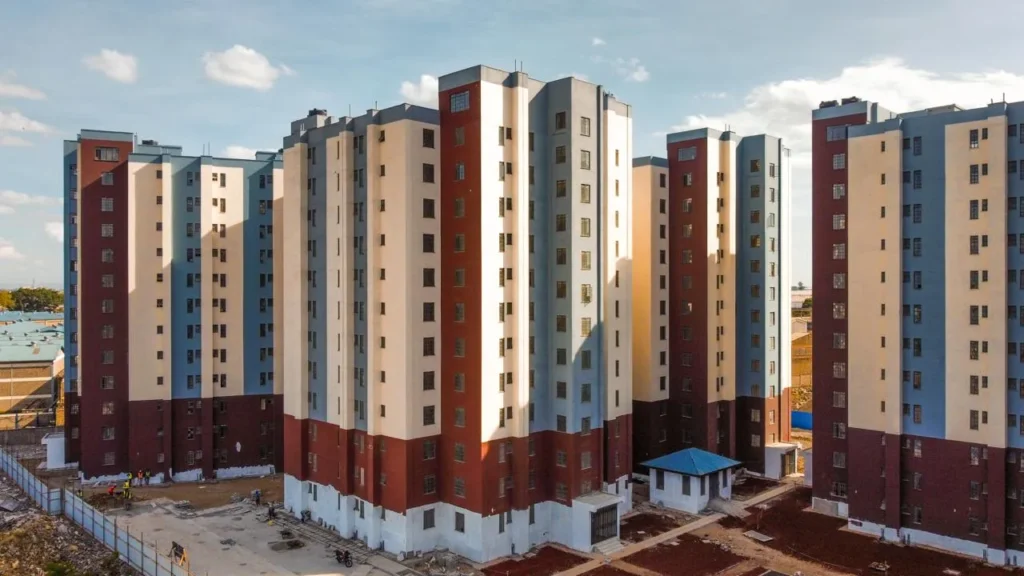
Kenya’s coastal region offers a unique and highly profitable opportunity for rental property investors, particularly in the short-term rental market. Driven by both local and international tourism, coastal towns experience strong demand for holiday homes, furnished apartments, and Airbnb units. While income can be seasonal, the returns during peak periods often outweigh slower months, making the coast an attractive option for investors seeking high yields.
Nyali
Nyali is one of the most developed and sought-after residential areas along the coast. Located near Mombasa, it offers modern infrastructure, shopping malls, international schools, and beach access. Nyali attracts both long-term tenants and short-term visitors, making it suitable for mixed rental strategies. Furnished apartments and serviced units perform particularly well here due to consistent demand.
Bamburi
Bamburi is known for its affordability and vibrant tourism scene. It is a hotspot for budget-friendly holiday rentals and attracts a mix of local tourists and middle-income tenants. Investors benefit from lower development costs compared to Nyali, while still enjoying strong occupancy rates, especially for Airbnb-style units.
Diani
Diani Beach is one of the most popular beach destinations in East Africa. It is ideal for high-end short-term rentals, including villas, cottages, and luxury apartments. The area attracts international tourists, honeymooners, and expatriates, allowing investors to charge premium rates. However, demand in Diani is highly seasonal, with peak earnings during holidays and tourist seasons.
Key Investment Insight
Coastal rental investments are heavily influenced by tourism trends. While occupancy may fluctuate throughout the year, the potential for high nightly rates and strong peak-season income makes Nyali, Bamburi, and Diani some of the best locations in Kenya for short-term rental property development.
Emerging Rental Property Hotspots in Kenya
Beyond the major cities, a new wave of emerging towns across Kenya is creating exciting opportunities for rental property investment. These areas are gaining momentum due to infrastructure expansion, relatively lower land costs, and strong potential for future appreciation. For investors looking to enter the market with lower capital while positioning for long-term growth, these hotspots offer significant advantages.
Juja – Student Housing
Juja has become a prime location for student housing due to its proximity to Jomo Kenyatta University of Agriculture and Technology. The constant influx of students ensures steady demand for bedsitters and single-room units. High occupancy rates and predictable rental cycles make Juja ideal for high-density, low-cost developments.
Kitengela – Affordable Rentals
Kitengela is rapidly growing as a residential hub for Nairobi commuters. Its affordability compared to the capital has attracted middle- and low-income earners, creating strong demand for budget-friendly rental units. Improved road networks have further enhanced its appeal.
Athi River – Industrial Workforce
Athi River is driven by industrial growth, with numerous factories and manufacturing plants in the area. This has created a steady need for affordable housing for workers, making it ideal for bedsitters and one-bedroom apartments targeting the workforce population.
Nanyuki – Tourism & Expats
Nanyuki is emerging as a high-potential investment destination due to its tourism appeal and expatriate presence. With attractions such as Mount Kenya nearby, the town supports both short-term and long-term rentals. Demand for furnished apartments and cottages is steadily rising.
Machakos – Rising Airbnb Market
Machakos is gaining popularity as a weekend getaway destination, especially for Nairobi residents. The growth of Airbnb and short-stay accommodations is opening new investment opportunities, with increasing demand for furnished units and holiday homes.
Key Investment Insight
These emerging hotspots share common advantages—ongoing infrastructure development, lower entry costs, and untapped rental demand. Investors who move early into these markets can benefit from higher returns and significant property appreciation as these areas continue to grow.
Cost vs Rental Returns in Different Locations
When investing in rental property in Kenya, understanding the relationship between development cost and expected rental returns is essential for making profitable decisions. Different locations offer varying entry costs, rental income levels, and return on investment (ROI), and striking the right balance is key.
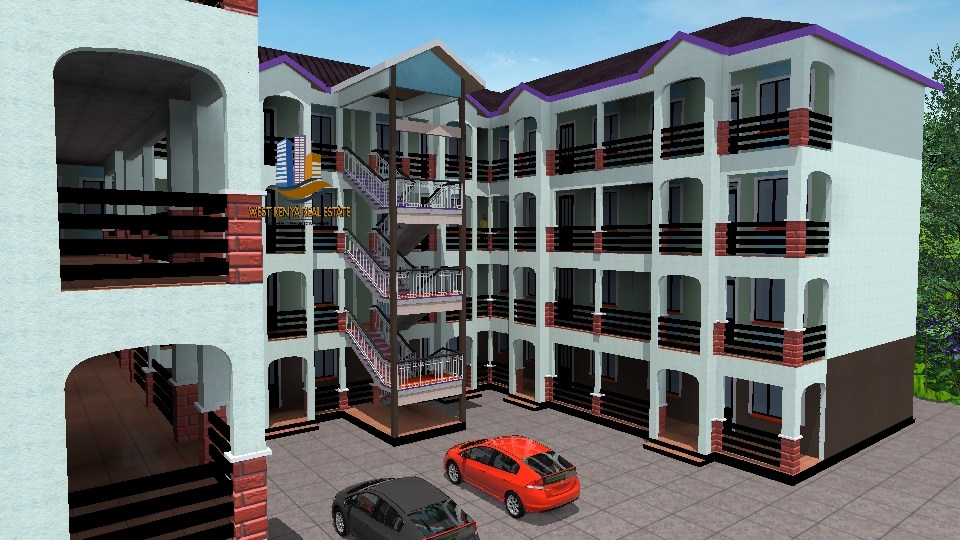
In Nairobi, construction and land costs are significantly higher compared to other regions. Prime areas such as Westlands or Kilimani require substantial capital, with construction costs ranging between KES 35,000–60,000 per square meter depending on finishes. However, rental income is also higher, with one-bedroom units fetching KES 30,000–80,000 per month in strategic locations. While the payback period may be longer, the long-term appreciation and steady demand make Nairobi a stable investment.
In satellite towns such as Ruaka, Ruiru, and Kitengela, the cost of land and construction is lower, typically ranging between KES 25,000–40,000 per square meter. Rental income is moderate (KES 8,000–25,000 for bedsitters and 1BR units), but the lower initial investment often results in higher ROI and faster recovery of capital.
In upcountry towns like Kisumu or Eldoret, development costs are even lower, but rental income is also reduced. These areas are ideal for long-term investment strategies focused on gradual appreciation and stable occupancy rather than high immediate returns.
According to insights from Lanny Builders Limited, many investors underestimate total project costs by ignoring factors such as approvals, infrastructure connections, and finishing quality. This can significantly affect profitability if not properly planned.
Sample ROI Scenarios
- Nairobi (Kilimani): High cost, high rent → ROI ~6–8% annually
- Ruaka/Ruiru: Moderate cost, steady rent → ROI ~8–12% annually
- Upcountry towns: Low cost, lower rent → ROI ~5–7% annually
Ultimately, the best location depends on your budget, investment horizon, and desired return profile.
Common Mistakes When Choosing Rental Property Locations
Choosing the wrong location is one of the fastest ways investors lose money in rental property development in Kenya. Even with good construction and attractive designs, poor location decisions often lead to low occupancy, reduced rental income, and slow return on investment.
One of the most common mistakes is building in low-demand areas. Some investors are attracted by cheap land without confirming whether there is real rental demand. Without tenants, even the best-designed units remain empty.
Another major error is ignoring the tenant profile. Every location has a specific market—students, families, professionals, or industrial workers. Building the wrong type of housing for the area leads to mismatched supply and low uptake.
Investors also make the mistake of overbuilding luxury in low-income areas. High-end apartments in neighborhoods that cannot support premium rents often struggle to attract tenants, resulting in prolonged vacancies and financial strain.
Poor accessibility is another critical issue. Properties located far from main roads, transport systems, or essential services are less attractive to tenants, even if rents are lower.
Finally, many investors fail to conduct a proper feasibility study before construction. Without analyzing rental demand, competition, construction costs, and expected returns, investment decisions become speculative rather than strategic.
Avoiding these mistakes requires careful planning, market research, and understanding of local dynamics. Successful rental property investment is not just about building—it is about building in the right place, for the right tenants, at the right price.
Expert Tips to Maximize Rental Income
Maximizing rental income in Kenya is not just about choosing the right location—it also depends on smart design, tenant targeting, and effective property management. Investors who apply practical strategies tend to achieve higher occupancy rates and stronger long-term returns.
One of the most effective strategies is building bedsitters and one-bedroom units, especially in urban and satellite towns. These units are in high demand among students, young professionals, and entry-level workers due to their affordability and convenience, leading to consistently high occupancy rates.
Another profitable approach is considering furnished or semi-furnished rentals in urban areas. Locations such as Nairobi and coastal towns benefit from short-term tenants and expatriates who prefer ready-to-move-in spaces. This allows investors to charge premium rental rates compared to unfurnished units.
Engaging professional property management services is also essential, especially for investors with multiple units or those living far from their properties. Proper management ensures timely rent collection, reduced vacancies, and efficient maintenance, all of which improve overall returns.
Additionally, optimizing design for space efficiency plays a crucial role in profitability. Well-planned layouts that maximize usable space can allow for more units per plot without compromising comfort. Features such as natural lighting, ventilation, and functional layouts significantly increase tenant satisfaction and retention.
Ultimately, increasing rental income is about combining smart planning, efficient design, and strong management practices. Investors who focus on these areas consistently outperform those who rely on location alone.
Conclusion
Building a successful rental property in Kenya ultimately comes down to one key factor—location determines success. Throughout this guide, it is clear that areas with strong demand, good infrastructure, and the right tenant profile consistently deliver better returns. Investors who focus on demand-driven decisions—rather than just affordability or trends—are more likely to achieve high occupancy rates and steady rental income.
While Nairobi continues to dominate as the leading rental market due to its economic strength and population growth, emerging towns such as Ruaka, Kitengela, and Juja are proving to be equally attractive for investors seeking higher returns with lower entry costs. These areas offer untapped potential and strong future appreciation.
The key takeaway is simple: smart planning beats guesswork. By carefully analyzing location, understanding your target tenants, and aligning your investment strategy with market demand, you can build a rental property that generates consistent income and long-term value.
📞 CALL TO ACTION
Ready to build a profitable rental property in Kenya without costly mistakes?
Work with professionals who understand:
✔ Location analysis for maximum ROI
✔ Rental-friendly house designs
✔ Accurate construction budgeting (BoQ)
✔ Full project supervision
At West Kenya Real Estate Ltd, we help you:
• Identify the best land for rental investment
• Design high-return rental units (bedsitters, 1BR, apartments)
• Manage construction from start to finish
📞 Call/WhatsApp: 0724481087 or 0789217685
📞 Email: info@westkenyarealestate.com
Start building your passive income today.



One thought on “Best Places to Build Rental Property in Kenya (2026 Guide for High ROI & Low Risk)”