Discover a complete step-by-step Rural House Construction Guide covering planning, budgeting, design, foundation, roofing, and finishing. Learn practical tips, costs, and common mistakes to avoid when building a durable and affordable rural home.
Introduction
Rural home ownership is becoming increasingly popular as more people seek affordable land, peaceful living environments, and long-term investment opportunities away from crowded urban areas. Whether for retirement, family settlement, farming, holiday homes, or permanent residence, building a house in a rural area offers flexibility, larger spaces, and lower land costs compared to cities and towns.
Constructing a rural home also comes with several advantages, including access to fresh air, quieter surroundings, expanded farming opportunities, and the freedom to design a home that fits your lifestyle and budget. In many cases, rural construction can be more cost-effective, especially when local materials and labor are used strategically.
However, first-time builders often face challenges such as poor planning, budget overruns, unreliable contractors, lack of proper approvals, and difficulties accessing water, electricity, and transportation infrastructure. Without proper guidance, these issues can delay projects and increase construction costs significantly.
This step-by-step rural house construction guide is designed to help you understand every stage of the building process—from selecting the right land and planning your budget to foundation work, roofing, utilities, and finishing. By following this guide, you can avoid common mistakes, manage costs effectively, and successfully build a durable and comfortable rural home.
Why Rural House Construction Requires Proper Planning
Rural house construction is very different from building in urban or peri-urban areas, and this is why careful planning is essential from the very beginning. Unlike cities where infrastructure is well-developed, rural areas often require homeowners to think ahead about logistics, utilities, and long-term accessibility before construction even starts.
One of the biggest differences between urban and rural construction is the availability of infrastructure. In urban settings, roads, water supply, electricity, and drainage systems are usually already in place. In rural areas, however, these services may be limited or completely unavailable, meaning the homeowner must plan for alternatives such as boreholes, septic systems, or solar power solutions.
Access roads also play a major role in rural home construction. Many rural sites have rough, seasonal, or narrow roads, which can make transporting construction materials like cement, stones, and steel more expensive and time-consuming. Poor planning can lead to delays or increased transport costs, especially during rainy seasons when roads become difficult to use.
Water and electricity availability are another key consideration. Some rural areas may require drilling a borehole, installing water storage tanks, or connecting long-distance power lines. These requirements should be factored into the initial design and budget to avoid interruptions during construction.
Overall, proper rural home construction planning ensures that you anticipate challenges early, reduce unexpected costs, and maintain steady progress throughout the building process. Good planning is the foundation of successful building in rural areas and helps ensure your village house construction project is completed efficiently and sustainably.
Step 1 – Selecting the Right Rural Land
Choosing the right piece of land is the most critical step in rural house construction because it directly affects your building costs, design options, and long-term comfort. A good site can make construction smooth and affordable, while a poor choice can lead to constant problems such as flooding, high transport costs, or legal disputes.
One of the first factors to consider is soil quality and topography. Stable, well-drained soil is ideal for construction, while very rocky, clay-heavy, or swampy areas may require expensive foundation work. A gently sloping or flat site is usually preferred because it reduces excavation costs and improves drainage.
Accessibility is another major concern, especially during rainy seasons. A rural plot may look perfect in dry weather but become difficult to reach when roads are muddy or flooded. Ensure that construction vehicles like lorries and mixers can access the site throughout the year to avoid delays and extra transport costs.
Water availability is also essential. Check whether the area has access to a borehole, river, or reliable water supply nearby. Since water is needed throughout construction, lack of it can slow down the entire project. Similarly, consider long-term water solutions for your household use after completion.
Security should not be overlooked. A safe neighborhood reduces risks of theft of materials and provides peace of mind during and after construction. It is also wise to evaluate proximity to essential amenities such as schools, hospitals, and trading centers, especially if the house will be used as a permanent residence.
Finally, always verify land ownership before purchase. Confirm the authenticity of the title deed, conduct a search at the relevant land registry, and ensure there are no disputes or encumbrances. This step protects you from legal complications that could stall your rural house construction project.
Checklist for Evaluating Rural Land Before Purchase
- Confirm valid title deed and conduct official land search
- Assess soil stability and drainage conditions
- Check road access in both dry and rainy seasons
- Confirm availability of water sources (borehole, river, or supply line)
- Evaluate security of the surrounding area
- Check distance to schools, hospitals, and markets
- Verify land boundaries and survey beacons
- Assess availability of electricity or potential connection costs
- Investigate any land disputes or ownership history
Proper evaluation at this stage ensures a smooth start to your building in rural areas and prevents costly mistakes in future village house construction projects.
Step 2 – Define Your Budget and Financing Plan
Before breaking ground, setting a clear and realistic budget is essential in rural house construction. Many projects stall halfway due to poor financial planning, so understanding your total expected costs helps you build steadily without unnecessary interruptions.
Start by estimating the total construction costs based on your house design, size, and finishing level. Rural house construction costs can vary widely depending on material choices, labor availability, and site conditions. Simpler designs with locally sourced materials are often more affordable and easier to manage compared to complex modern structures.
It is also important to separate the cost of labor and materials. In many rural areas, labor may be cheaper than in urban centers, but material transport costs can be higher due to distance and road conditions. Cement, steel, and roofing materials often form the largest portion of the budget, so careful planning here can significantly reduce overall expenses.
Always include an emergency contingency budget—typically 10% to 15% of your total estimate. This covers unexpected issues such as price changes, design adjustments, or delays caused by weather conditions. Without this buffer, even small surprises can disrupt your entire project.
Another effective strategy for affordable rural homes is phased construction. Instead of building everything at once, you can complete the structure in stages—foundation, walling, roofing, and finishing—based on available funds. This approach is widely used in low-cost house construction and allows flexibility without compromising quality.
When it comes to financing, you may choose between self-funding and loans. Self-funding gives you full control and avoids interest costs, while construction loans can help speed up the process if managed responsibly. However, always ensure repayments align with your income to avoid financial strain.
Sample Rural House Budget Breakdown
| Item | Estimated Cost (%) | Notes |
| Land preparation | 5% | Clearing, leveling, excavation |
| Foundation works | 15% | Materials and labor |
| Walling | 20% | Blocks/stones, mortar, labor |
| Roofing | 20% | Timber, sheets, installation |
| Doors & Windows | 10% | Frames, fittings |
| Finishing (plaster, paint, floors) | 20% | Interior and exterior finishing |
| Utilities (water, power) | 5% | Plumbing, wiring, tanks |
| Contingency | 5–10% | Unexpected expenses |
A well-planned financial strategy ensures your rural house construction costs remain manageable and helps you achieve a smooth, stress-free building process while creating truly affordable rural homes.
Step 3 – Choose the Right Rural House Design
Selecting the right house design is a key decision in rural house construction because it influences your budget, comfort, durability, and future expansion possibilities. A well-thought-out design ensures your home meets both current needs and long-term goals while adapting to rural living conditions.
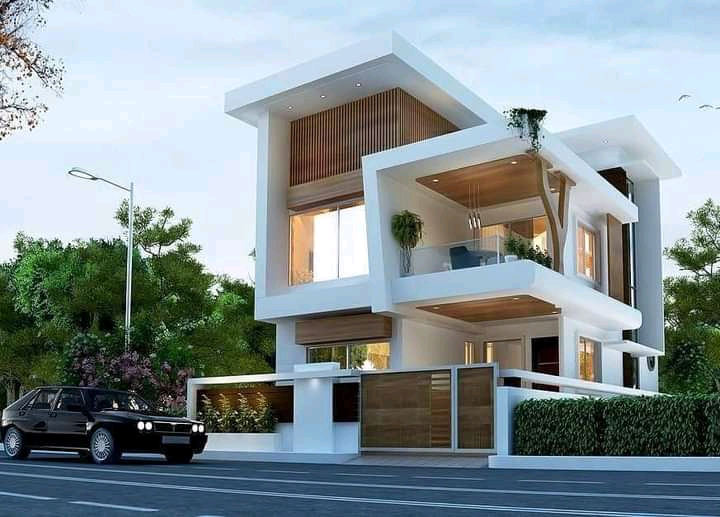
When choosing between simple and modern rural house designs, simplicity often proves more practical. Simple designs are cost-effective, easier to construct, and require fewer materials and less labor. On the other hand, modern designs offer improved aesthetics and comfort but may increase rural house construction costs due to complex finishes and structural requirements. The best approach is often a balanced design that combines simplicity with a few modern touches.
Ventilation and natural lighting are especially important in rural homes. Good airflow helps maintain indoor comfort, reduces dampness, and improves overall health. Large windows, strategic room placement, and open layouts can significantly enhance natural light and airflow, reducing dependence on artificial lighting during the day.
Weather resistance is another critical factor. Rural areas may experience heavy rains, strong winds, or extreme heat depending on the region. A durable roof design, proper drainage systems, and moisture-resistant materials ensure the house remains strong and low-maintenance over time.
Future expansion should also be considered during the design phase. Many homeowners start with a basic structure and expand later as finances allow. Designing with expansion in mind—such as leaving space for extra rooms or a second floor—can save significant costs in the future.
When deciding between single-story and double-story rural homes, single-story houses are generally more affordable and easier to maintain. However, double-story homes are ideal for maximizing limited land space and offering better separation of living areas.
Using locally available materials is highly beneficial in rural construction. They are more affordable, easier to transport, and readily accessible. Materials such as local stone, timber, and soil-based blocks can significantly reduce costs while blending naturally with the environment. They also support the local economy and often perform well in local weather conditions.
Overall, choosing the right design ensures a smooth building process, reduces low-cost house construction risks, and results in a comfortable, durable home suited for rural living.
Step 4 – Hire the Right Professionals
Hiring the right construction team is a crucial step in successful rural house construction because the quality of your home largely depends on the skills and coordination of the professionals involved. Each expert plays a specific role in ensuring the project is safe, cost-effective, and structurally sound.
An architect is responsible for designing the house layout, ensuring it meets your needs while optimizing space, ventilation, and aesthetics. A structural engineer ensures that the building is safe and stable by designing the foundation, beams, and structural framework according to soil conditions and load requirements. A quantity surveyor helps manage rural house construction costs by preparing accurate budgets, tracking expenses, and preventing financial overruns.
The contractor is responsible for executing the actual construction work, including managing labor, materials, and timelines. Choosing a reliable rural building contractor is essential because poor workmanship can lead to delays, structural defects, and increased costs. A site supervisor or foreman oversees daily activities on-site, ensuring that work is done correctly according to plans and quality standards.
Working with qualified construction professionals significantly reduces costly mistakes. Experts help avoid design errors, material wastage, and poor workmanship that often lead to expensive repairs later. Their experience ensures the project follows approved standards and progresses smoothly from foundation to finishing.
Before hiring a contractor, always verify their legitimacy. Check for registration documents, past project references, physical office location, and reviews from previous clients. Avoid contractors who cannot provide verifiable credentials or who demand large upfront payments without formal agreements.
Finally, always insist on written contracts. A proper agreement should clearly outline project scope, timelines, payment terms, materials to be used, and responsibilities of each party. This protects both the homeowner and the construction professionals and ensures accountability throughout the project.
Engaging qualified house construction experts is one of the most effective ways to ensure your rural home is built safely, efficiently, and within budget.
Step 5 – Obtain Approvals and Permits
Before starting any rural house construction, it is important to secure all the necessary approvals and permits from relevant authorities. This step ensures that your project is legal, safe, and aligned with local building regulations. Skipping approvals may seem faster at first, but it can lead to serious consequences later.
County approvals are usually the first requirement. Most local governments require you to submit your building plans for review to ensure they meet zoning rules, land use regulations, and safety standards. Once approved, you receive a permit that allows you to proceed with construction legally.
In some cases, environmental approvals may also be required, especially if your land is near rivers, forests, wetlands, or protected areas. These approvals ensure that your rural home construction does not negatively impact the environment, such as causing soil erosion or water contamination.
Building permits are essential documents that officially authorize construction work. They confirm that your design has been reviewed by professionals and complies with structural and safety standards. Without this permit, you risk having your project halted by authorities.
Utility approvals are also important if you plan to connect electricity, water, or sewage systems. Service providers may require approved building plans before installing connections to your property.
Building without proper approvals can lead to serious risks, including fines, forced demolition, denial of utility connections, and legal disputes. It can also make it difficult to sell or transfer the property in the future.
Following proper approval procedures not only protects your investment but also ensures your village house construction is safe, compliant, and fully recognized by authorities.
Step 6 – Site Preparation and Setting Out
Once approvals are complete, the next stage in rural house construction is preparing the site for actual building work. Proper site preparation ensures a smooth workflow, reduces delays, and helps avoid costly mistakes later in the project.
The first activity is clearing bushes, trees, rocks, and any debris from the construction area. This creates enough working space and makes it easier to access the site with materials and equipment. In rural areas, this step may also include removing uneven vegetation that could interfere with measurements and foundation work.
After clearing, the land is leveled to create a stable and even surface for construction. Leveling is important because uneven ground can affect the strength of the foundation and lead to structural issues in the future. In some cases, minor cutting and filling may be required depending on the topography of the site.
Excavation preparation follows, where trenches for the foundation are marked and dug according to the approved building plans. This stage must be done carefully because it directly affects the stability of the entire structure. Poor excavation can lead to foundation weaknesses and increased rural house construction costs due to corrections.
Setting out the house layout is one of the most critical steps in this stage. Using tools like measuring tapes, pegs, and string lines, the exact position of walls, rooms, and corners is marked on the ground. This ensures the structure is built exactly as designed and prevents misalignment during construction.
Temporary storage for materials should also be planned at this stage. A secure and dry area helps protect cement, timber, steel, and other materials from damage or theft. Proper storage also improves efficiency on-site by ensuring materials are easily accessible when needed.
Accurate measurements are extremely important throughout site preparation. Even small errors in setting out can lead to major structural problems, increased costs, and delays. Precision at this stage ensures that the entire rural house construction process progresses smoothly and according to plan.
Step 7 – Foundation Construction
The foundation is the most important structural element in any rural house construction because it carries the entire weight of the building. If done poorly, it can lead to cracks, sinking, or costly repairs in the future. This stage must therefore be executed with precision, quality materials, and proper supervision.
The process begins with excavation, where trenches are dug according to the approved building plans and site layout. The depth and width of excavation depend on the soil type and the design load of the house. In stable soils, shallow foundations may be sufficient, while weak or loose soils require deeper excavation to reach firm ground.
Next is the construction of footings, which spread the load of the building evenly across the ground. A well-designed house footing guide ensures that the structure remains stable even under heavy loads. Footings are typically made of concrete and are placed at the base of all load-bearing walls and columns.
Reinforcement steel (rebar) is then installed within the trenches and footings to strengthen the foundation. The steel bars help resist tension forces and prevent cracking, especially in areas with shifting soils or seasonal moisture changes. Proper spacing and tying of steel are essential for structural integrity.
Concrete pouring follows, where a mixture of cement, sand, ballast, and water is carefully placed into the prepared trenches and footings. The quality of concrete must be consistent to ensure strength and durability. It is important to avoid delays during pouring to prevent weak joints in the foundation.
After pouring, the foundation must undergo curing. This involves keeping the concrete moist for several days to allow it to gain maximum strength. Proper curing significantly improves durability and reduces the risk of cracks in the rural house foundation.
Damp-proofing is also applied to prevent moisture from rising through the foundation into the walls. This is especially important in areas with high groundwater levels or heavy rainfall.
Soil type plays a major role in determining foundation depth. Sandy or rocky soils may require less excavation, while clay or unstable soils need deeper and stronger foundations to ensure stability. Conducting a basic soil assessment before construction helps determine the correct foundation design and reduces long-term risks.
A properly constructed foundation ensures a strong, stable base for the entire building and is one of the most critical steps in the foundation construction process.
Step 8 – Walling and Structural Works
Walling and structural works form the main visible stage of rural house construction, where the building begins to take shape above the foundation. This stage determines the strength, durability, and overall appearance of the house, making material selection and workmanship extremely important.
One of the first decisions is choosing between bricks, machine-cut stones, and concrete blocks. Bricks are affordable and widely available but may require more plastering for a smooth finish. Machine-cut stones are strong, durable, and commonly used in many rural areas, offering good stability but slightly higher costs. Concrete blocks are uniform, easy to work with, and faster to install, making them ideal for efficient construction. Each material has its own advantages depending on budget and availability.
Structural elements such as columns and beams are then constructed to support the building load. Columns carry vertical loads from the roof and upper structures, while beams distribute weight evenly across walls and openings. Proper reinforcement with steel bars ensures the building remains stable and resistant to cracking or collapse.
Window and door openings are carefully marked and constructed during walling. Accurate placement is essential to ensure proper ventilation, lighting, and alignment with the architectural design. Mistakes at this stage can lead to costly adjustments later, especially in rural house construction where materials may be harder to replace quickly.
Quality control during walling is critical. This includes checking alignment, ensuring correct mortar mixing ratios, maintaining consistent wall thickness, and verifying vertical and horizontal accuracy using levels and measuring tools. Regular supervision helps avoid weak points and ensures structural integrity.
Each construction material comes with its own pros and cons. Machine-cut stones offer strength and longevity but require skilled labor. Concrete blocks are faster to lay but may vary in quality depending on the manufacturer. Bricks are cost-effective but may absorb moisture if not properly finished. Understanding these differences helps homeowners make informed decisions based on their rural building goals.
Overall, proper walling and structural works ensure a strong framework that supports all future stages of construction and guarantees long-term stability for the home.
Step 9 – Roofing Installation
Roofing installation is a major milestone in rural house construction because it protects the entire structure from weather elements and allows interior works to begin safely. A well-installed roof enhances durability, comfort, and overall energy efficiency of the home.
The process begins with roof framing, which involves constructing the timber or steel structure that supports the roofing sheets. Proper alignment, spacing, and reinforcement are essential to ensure the roof can withstand wind loads and heavy rainfall, which are common concerns in rural areas. Any weakness in framing can compromise the entire building.
Next is selecting roofing sheet options. Common choices include corrugated iron sheets, box profile sheets, and stone-coated tiles. Corrugated sheets are affordable and widely used in low-cost rural house construction, while box profile sheets offer better strength and aesthetics. Stone-coated tiles are the most durable and visually appealing but come at a higher cost. Choosing the right option depends on budget, climate, and design preference.
Timber treatment is another important step. Since most rural roofs use timber framing, treating wood with anti-termite and anti-fungal solutions helps prevent damage and extends the lifespan of the roof structure. Untreated timber can weaken over time, leading to costly repairs.
Rainwater harvesting integration should also be considered during roofing installation. Gutters and downpipes can be installed to collect rainwater into storage tanks, providing a sustainable water source for household use, especially in areas with limited water supply.
Roof insulation is equally important, especially in regions with high temperatures. Insulation materials help regulate indoor temperatures, reduce heat buildup, and improve overall comfort. This also reduces reliance on fans or cooling systems, lowering energy costs.
Most Durable Roofing Options for Rural Homes
- Stone-coated metal tiles – highly durable, weather-resistant, and long-lasting
- Heavy-gauge box profile sheets – strong and ideal for windy or rainy areas
- Aluminum roofing sheets – corrosion-resistant and lightweight
- Treated corrugated iron sheets – affordable and widely available but require maintenance
A properly installed roof not only completes the structural phase of rural house construction but also ensures long-term protection, efficiency, and comfort for the home.
Step 10 – Plumbing and Electrical Installation
Plumbing and electrical installation are essential systems in rural house construction because they determine the comfort, functionality, and self-sufficiency of the home. Proper planning at this stage ensures reliable water supply, safe electricity use, and reduced long-term maintenance costs.
Water storage is a key consideration, especially in rural areas where supply may be inconsistent. Installing water tanks allows homeowners to store sufficient water for daily use and construction needs. Tanks should be placed on a raised platform to ensure good pressure and easy distribution throughout the house.
For long-term water access, boreholes and wells are common solutions in rural settings. A borehole provides a more reliable and deeper water source, while wells are more affordable but depend on groundwater levels. Both options should be tested for water quality before use.
Waste management is handled through septic tanks and soak pits. A properly designed septic system ensures safe disposal of wastewater and prevents environmental contamination. It is important to position septic tanks away from water sources and living areas for hygiene and safety.
Solar power is one of the most effective off-grid solutions for rural homes. It provides a sustainable and cost-saving alternative to grid electricity, especially in remote areas. Solar panels can power lighting, appliances, and even water pumps, making them highly practical for rural living.
Electrical wiring safety must be strictly observed during installation. Proper cable sizing, earthing, and circuit protection help prevent electrical hazards such as shocks or fires. Hiring a qualified electrician ensures the system meets safety standards and operates efficiently.
Overall, off-grid solutions such as solar energy systems, boreholes, and rainwater harvesting make rural house construction more independent and sustainable. These systems reduce reliance on public utilities and improve long-term self-sufficiency for homeowners.
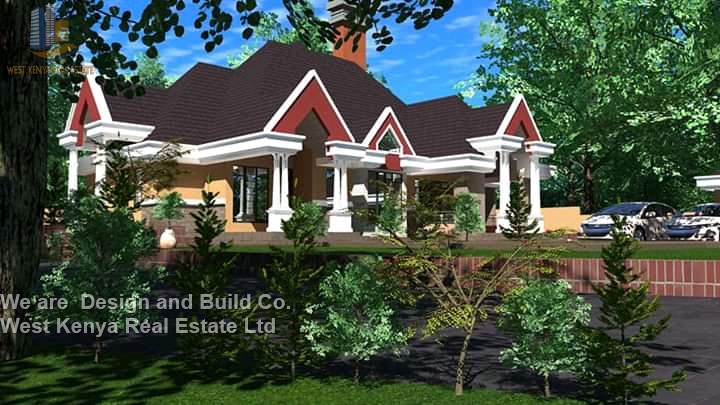
Step 11 – Interior and Exterior Finishes
Interior and exterior finishes are the final stage of rural house construction where the building transforms from a structural shell into a comfortable and livable home. This phase greatly influences the beauty, durability, and overall value of the house, making careful selection of materials and workmanship essential.
Plastering is the first step in finishing, where cement mortar is applied to walls to create a smooth and even surface. Good plastering improves aesthetics and provides a protective layer against moisture and weather damage. Proper curing is important to prevent cracks and ensure long-lasting results.
Flooring comes next and can range from simple cement screed to tiles or polished concrete finishes. In many rural homes, polished concrete is a popular affordable option because it is durable, easy to maintain, and gives a modern appearance without high costs.
Painting adds color and personality to the home. It also protects walls from moisture and dust. Light colors are often preferred in rural homes because they enhance natural lighting and make rooms feel more spacious. Using quality paint ensures longer-lasting results and reduces maintenance costs.
Ceiling installation improves both aesthetics and thermal comfort. Options include gypsum boards, PVC ceilings, or simple painted soffits. Ceilings help reduce dust, hide wiring, and improve insulation, making the home more comfortable.
Doors and windows are installed to enhance security, ventilation, and natural lighting. Aluminum and steel doors are durable options, while wooden doors offer a more traditional aesthetic. Proper fitting is important to prevent gaps and improve energy efficiency.
Exterior rendering provides the final protective layer for the building’s outer walls. It improves weather resistance and enhances curb appeal. A well-rendered exterior can significantly increase the visual appeal of rural house construction projects.
Affordable finishing options that still look modern include polished cement floors, simple gypsum ceilings, locally made doors, and neutral-colored paint schemes. These choices help reduce rural house construction costs while still achieving a clean, stylish, and contemporary look.
Step 12 – Landscaping and Compound Planning
Landscaping and compound planning are often overlooked in rural house construction, yet they play a major role in improving functionality, comfort, and the overall appearance of your home. A well-planned compound ensures proper water flow, easy movement, and a clean, organized outdoor space.
Drainage planning is the first priority. Proper drainage channels help direct rainwater away from the house foundation, preventing flooding, erosion, and structural damage. In rural areas with heavy rainfall, this step is especially important for protecting your investment long-term.
Compound leveling follows, where the surrounding land is graded to create a smooth and usable outdoor space. A leveled compound improves accessibility, enhances safety, and provides a good base for future additions such as walkways, parking areas, or outdoor seating spaces.
Tree planting adds both beauty and functionality to the property. Trees provide shade, reduce heat, improve air quality, and contribute to a more natural and relaxing environment. Choosing indigenous or drought-resistant species ensures low maintenance and long-term sustainability.
Kitchen gardens are another valuable addition in rural homes. They allow homeowners to grow vegetables and herbs for daily use, reducing food costs and promoting a self-sufficient lifestyle. This is especially beneficial for families living in rural areas with enough land space.
Perimeter fencing enhances security and clearly defines property boundaries. Options include barbed wire, live hedges, chain link, or stone walls depending on budget and security needs. A secure compound protects both the home and construction materials during and after the building process.
Proper landscaping significantly improves property value. A well-maintained compound creates a strong first impression, increases usability of outdoor space, and makes the home more attractive to potential buyers or tenants. In rural house construction, good landscaping turns a simple house into a complete, functional, and valuable property.
Common Mistakes to Avoid During Rural House Construction
Many rural house construction projects fail to reach completion on time or within budget not because of poor design, but due to avoidable mistakes made during planning and execution. Understanding these errors early can save you significant money, time, and stress.
One of the most common mistakes is underestimating costs. Many homeowners focus only on materials and ignore hidden expenses such as transport, labor fluctuations, approvals, and finishing costs. This often leads to stalled projects when funds run out midway, especially during rural building projects where logistics can be unpredictable.
Buying poor-quality materials is another major issue. In an attempt to reduce rural house construction costs, some people choose the cheapest materials available. However, low-quality cement, steel, or roofing materials can compromise structural strength and lead to expensive repairs in the future.
Lack of supervision is also a serious problem. Without regular site checks, contractors or workers may cut corners, misuse materials, or fail to follow design specifications. Consistent supervision ensures quality control and helps avoid construction delays caused by rework.
Ignoring soil testing is a mistake that can affect the entire structure. Soil type determines foundation depth and design. Without proper testing, you risk foundation failure, cracking walls, or uneven settlement, all of which are costly to fix.
Poor contractor agreements can also lead to disputes and incomplete work. A weak or unclear contract may not define timelines, payment schedules, or responsibilities, leaving room for misunderstandings and project delays. Always ensure agreements are written and legally binding.
Starting construction without approvals is another risky mistake. It can result in fines, demolition orders, or inability to connect utilities such as water and electricity. Proper approvals protect your investment and ensure compliance with local regulations.
Finally, rushing finishing works can significantly reduce the quality of your home. Painting, flooring, and fittings require patience and attention to detail. When done too quickly, they often result in uneven surfaces, poor alignment, and frequent maintenance issues.
Avoiding these common house construction mistakes helps ensure a smooth, efficient, and cost-effective building process while reducing rural building problems and minimizing avoidable construction delays.
Cost-Saving Tips for Rural Home Construction
Building a rural home can be affordable if proper strategies are applied from the planning stage. With the right approach, you can significantly reduce rural house construction costs without compromising quality or durability.
One of the most effective ways to save money is buying materials in bulk. Purchasing cement, steel, and other essentials in larger quantities often attracts discounts and reduces frequent transport costs, which are common in rural building projects due to long distances from suppliers.
Using local labor is another practical cost-saving method. Skilled workers from the surrounding area are usually more affordable and familiar with local construction methods and materials. This not only reduces expenses but also supports the local economy.
Building in phases is highly recommended for first-time homeowners. Instead of completing the entire house at once, you can divide construction into stages such as foundation, walling, roofing, and finishing. This allows better financial control and prevents construction delays caused by budget shortages.
Simplifying the house design also helps reduce costs. Compact layouts, fewer complex structures, and standard room sizes minimize material usage and labor time. Simple designs are easier to construct and maintain while still offering comfort and functionality.
Comparing contractor quotations is essential before starting work. Different rural building contractors may offer varying prices for the same project. Reviewing multiple quotes helps you identify fair pricing and avoid overpaying while ensuring you hire qualified construction professionals.
Minimizing wastage is another key strategy. Proper material handling, accurate measurements, and controlled usage help avoid losses that can increase overall costs. Even small wastage in cement, timber, or steel can add up significantly over time.
Practical budgeting advice for first-time homeowners includes setting a realistic budget, adding a 10–15% contingency fund, tracking all expenses regularly, and avoiding unnecessary upgrades during construction. Sticking to a clear financial plan ensures smooth progress and reduces the risk of incomplete projects.
By applying these cost-saving strategies, you can successfully complete a strong, durable, and affordable rural home while maintaining control over your budget and avoiding common financial pitfalls.
Estimated Timeline for Building a Rural House
Understanding the construction timeline helps you plan your finances, manage expectations, and avoid unnecessary delays during rural house construction. While the exact duration depends on design complexity, funding, and site conditions, a typical rural home follows a structured progression from planning to finishing.
The planning stage usually takes about 2–4 weeks. This includes designing the house, preparing budgets, obtaining approvals, and selecting contractors. Proper planning at this stage helps prevent costly changes later in the project.
Foundation work typically takes 2–3 weeks, depending on soil conditions and weather. This stage includes excavation, footing construction, reinforcement, concrete pouring, and curing. Delays here often affect the entire foundation construction process.
Walling and structural works may take 3–5 weeks. This involves raising walls, installing columns and beams, and creating openings for doors and windows. The speed depends on material availability and labor efficiency.
Roofing installation usually takes 1–2 weeks. Once the roof is completed, the house becomes weatherproof, allowing interior work to continue without interruption.
Finishing works take the longest, typically 4–8 weeks. This includes plastering, flooring, painting, ceiling installation, plumbing, and electrical work. The duration depends on the level of detail and quality of finishes selected.
Several factors can cause delays in rural house construction. These include poor weather conditions, delayed material delivery due to transport challenges, insufficient funding, contractor inefficiencies, and changes in design during construction. Lack of supervision and poor coordination among construction professionals can also significantly slow progress.
Proper planning, consistent funding, and close supervision help ensure your rural home is completed within a reasonable timeframe and without unnecessary interruptions.
Conclusion – Building a Successful Rural Home Step-by-Step
Building a rural home is a rewarding journey that requires careful planning, patience, and informed decision-making at every stage. From selecting the right land to completing the final finishes, each step in rural house construction plays a critical role in ensuring the durability, comfort, and long-term value of your home.
One of the most important foundations of success is proper planning. When you take time to understand the process, set realistic timelines, and prepare adequately, you significantly reduce the chances of costly mistakes and delays.
Hiring qualified professionals such as architects, engineers, quantity surveyors, and experienced contractors ensures that your project is executed safely and correctly. These construction professionals help translate your vision into a structurally sound and practical home while avoiding errors that could become expensive in the future.
Careful cost management is also essential. Monitoring rural house construction costs, sticking to your budget, and planning for unexpected expenses helps you maintain financial control throughout the project. This ensures your building progresses smoothly without unnecessary interruptions.
Using quality materials is another key factor in achieving a strong and durable structure. While affordability is important, compromising on materials can lead to long-term problems that are more expensive to fix. Striking a balance between cost and quality is crucial in rural building projects.
Finally, proper supervision at every stage ensures that work is done according to design specifications and quality standards. Regular site checks help maintain accountability and guarantee that each phase of construction is completed correctly.
A well-planned rural house is not just a home—it is a long-term investment that provides security, comfort, and financial value for generations.