Explore the latest urban housing demand trends in Kenya, including population growth, apartment living, affordable housing, satellite towns, investment opportunities, and future market predictions
Introduction
Kenya’s urban population is growing rapidly as more people move to cities and towns in search of employment, education, and better living standards. This rapid urbanization has significantly increased the demand for apartments, affordable housing, and homes in satellite towns surrounding major cities like Nairobi, Mombasa, Kisumu, and Nakuru. As urban populations continue to rise, housing has become one of Kenya’s biggest economic and social challenges due to rising rents, limited housing supply, and increasing land prices. This article explores the key urban housing demand trends in Kenya, the major factors driving market growth, existing challenges, and future opportunities shaping the country’s real estate sector.
Understanding Urban Housing Demand in Kenya
Urban housing demand refers to the growing need for residential housing units in towns and cities as urban populations continue to increase. It includes the demand for apartments, standalone homes, affordable housing units, gated communities, rental houses, and mixed-use developments. In Kenya, urban housing demand has risen significantly due to rapid urbanization, population growth, and changing lifestyles.
Housing demand differs from housing supply. Housing demand refers to the number of people looking for homes, while housing supply refers to the number of available housing units in the market. In many Kenyan urban areas, demand has continued to exceed supply, creating a major housing shortage. According to various housing reports, Kenya faces an annual housing deficit of more than 200,000 units, with the majority of the shortage affecting low- and middle-income earners.
Kenya’s urbanization rate has been steadily increasing as more people relocate from rural areas to urban centers in search of jobs, education, healthcare, and business opportunities. Major cities such as Nairobi, Mombasa, Kisumu, Nakuru, and Eldoret have experienced rapid population growth over the past decade. Nairobi remains the largest urban center and continues to attract thousands of new residents every year, increasing pressure on housing and infrastructure.
Rural-to-urban migration has become one of the biggest contributors to urban housing demand in Kenya. Young professionals, students, and families are increasingly settling in urban areas where economic opportunities are more available. However, the rapid increase in urban populations has created intense housing pressure due to limited land, rising construction costs, congestion, and insufficient affordable housing developments. As a result, demand for rental apartments, affordable housing projects, and satellite town developments continues to rise across Kenya’s urban regions.
Major Factors Driving Urban Housing Demand in Kenya
Rapid Urbanization
Rapid urbanization is one of the biggest drivers of housing demand in Kenya. Every year, thousands of people move from rural areas to urban centers in search of better employment opportunities, education, healthcare, and improved living standards. Cities such as Nairobi, Mombasa, Kisumu, Nakuru, and Eldoret continue to attract young professionals, students, and entrepreneurs seeking economic opportunities.
As urban populations expand, towns and cities are growing beyond their traditional boundaries. New residential estates, apartment complexes, and commercial developments are emerging to accommodate the increasing population. However, this rapid urban growth has also placed significant pressure on housing infrastructure, including roads, drainage systems, water supply, and sewer networks. The increasing demand for urban housing continues to outpace available supply, especially in affordable housing categories.
Population Growth
Kenya’s growing population has also contributed significantly to rising urban housing demand. The country has a youthful population, with a large percentage of citizens below the age of 35. As more young people enter the workforce, the number of new households continues to increase rapidly.
Many young adults are now moving out independently and searching for rental apartments, bedsitters, studios, and affordable starter homes. This has increased demand for smaller and more affordable housing units in urban areas. The growth of young families has also encouraged developers to build modern residential estates that cater to middle-income earners looking for convenience, security, and accessibility.
Growth of the Middle Class
The expansion of Kenya’s middle class has transformed housing preferences in many urban areas. More people are now seeking modern apartments, gated communities, and mixed-use developments that offer improved amenities and better living conditions.
Lifestyle changes have influenced the type of housing people prefer. Features such as reliable security, parking spaces, backup water systems, gyms, shopping centers, and proximity to workplaces have become important considerations for urban residents. As disposable incomes gradually rise among some urban households, demand for quality housing continues to grow in both city centers and suburban areas.
Infrastructure Development
Major infrastructure projects have played a key role in increasing housing demand in Kenya. Improved roads and transport systems have opened up new areas for residential and commercial development. Projects such as the Nairobi Expressway, Thika Superhighway, bypass roads, and the Standard Gauge Railway (SGR) have significantly improved accessibility and reduced travel time in many regions.
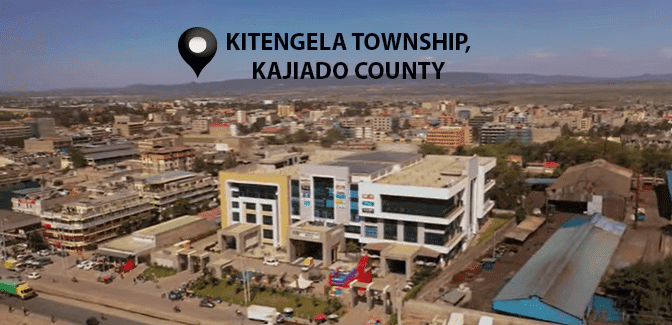
As infrastructure improves, satellite towns surrounding Nairobi and other major cities have become attractive residential alternatives. Areas such as Ruaka, Ruiru, Kitengela, Syokimau, and Athi River have experienced rapid real estate growth due to better connectivity, lower land prices, and increasing demand for affordable housing.
Devolution and County Growth
The introduction of devolution has accelerated economic growth in many counties across Kenya. County headquarters have become centers for government operations, business activities, and infrastructure expansion, increasing the demand for housing in emerging urban areas.
Towns that were previously considered small have experienced rapid urban development as investors, businesses, and workers relocate closer to county administrative centers. This growth has created new opportunities for residential developments, rental housing, and commercial real estate projects in counties outside Nairobi. As urbanization continues across different regions, housing demand is expected to remain strong in both major cities and emerging urban centers throughout Kenya.
The Shift From Standalone Homes to Apartments
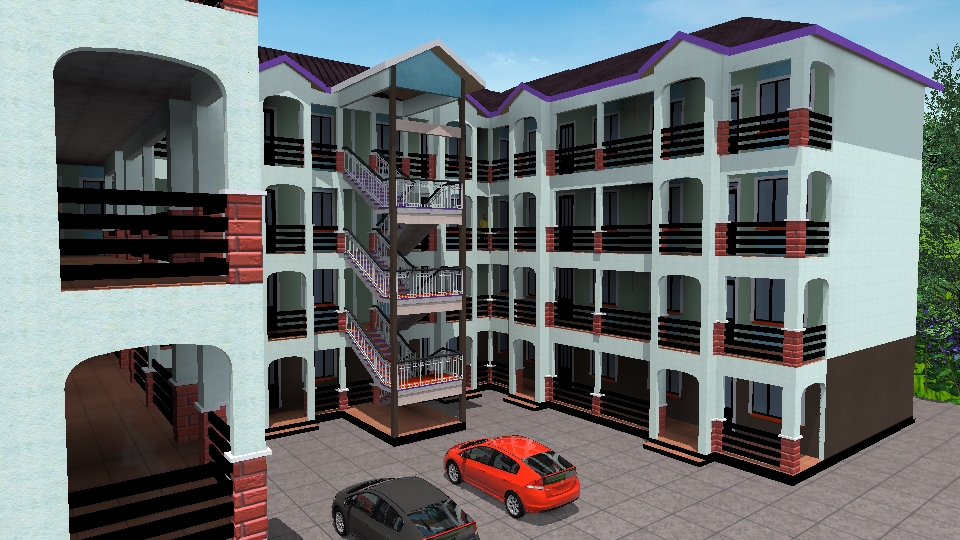
Urban housing trends in Kenya have changed significantly over the past decade, with many people shifting from traditional standalone homes to apartments. This transition has largely been driven by rapid urbanization, rising land prices, changing lifestyles, and the growing need for affordable housing in major towns and cities.
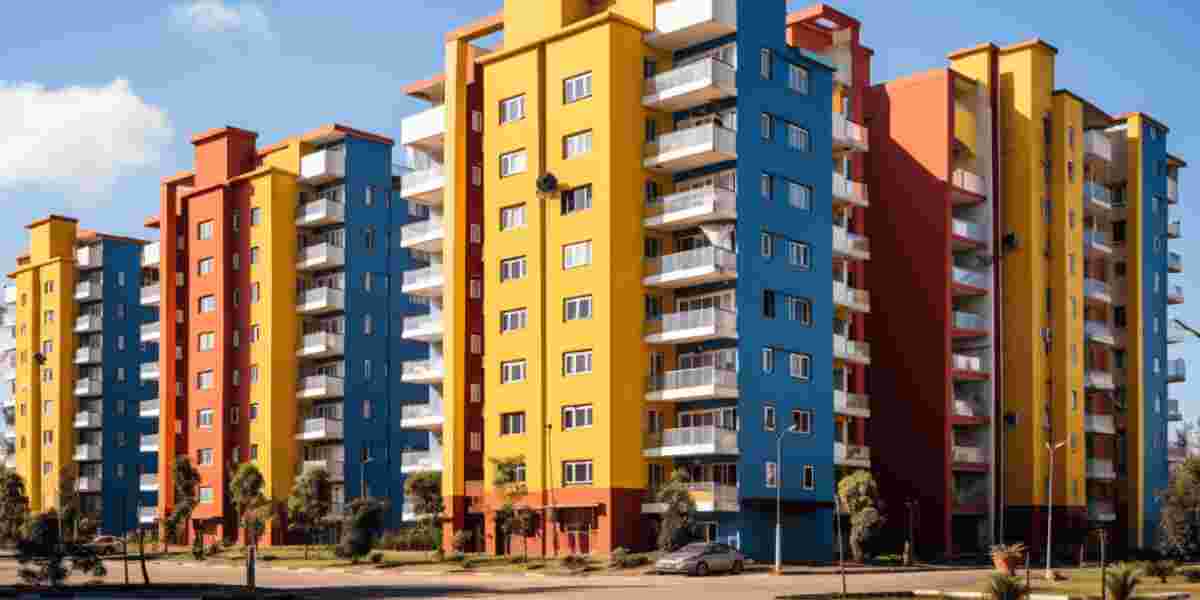
One of the main reasons apartments are becoming more popular is land scarcity in urban areas. In cities such as Nairobi and Mombasa, available land for residential development has become increasingly limited and expensive. As land prices continue to rise, developers are maximizing smaller plots by constructing high-rise apartment buildings that can accommodate more residents within limited space. This has made apartments a more practical and affordable solution for urban housing demand.
Convenience has also played a major role in the growing preference for apartments. Many urban residents prefer living closer to workplaces, schools, shopping centers, and transport networks to reduce commuting time and transport costs. Apartments located near central business districts and major roads offer easier access to essential services and employment opportunities.
There has also been increased demand for studios, bedsitters, and one-bedroom apartments, especially among young professionals, students, and newly married couples. Smaller housing units are often more affordable to rent or purchase compared to standalone houses, making them attractive to individuals starting their careers or living on moderate incomes.
Traditional bungalows and standalone homes still appeal to families seeking larger living spaces and privacy. However, they are becoming more expensive to build and maintain due to high land costs, security expenses, and utility requirements. In contrast, modern apartments often provide shared amenities such as parking, security systems, backup water supply, gyms, and waste management services at lower maintenance costs.
High-rise residential developments have become common in areas such as Kilimani, Kileleshwa, Westlands, and Ruaka, where developers are responding to increasing urban housing demand. These areas have experienced rapid apartment construction targeting both middle-income and high-income residents.
Changing lifestyle preferences among young professionals have further accelerated the shift toward apartment living. Many urban residents now prioritize convenience, accessibility, security, and modern amenities over owning large standalone homes. As Kenya’s urban population continues to grow, apartments are expected to remain one of the dominant housing solutions in the country’s real estate market.
Affordable Housing Demand in Kenya
Affordable housing has become one of the most important topics in Kenya’s real estate sector due to the growing gap between housing demand and affordability. As urban populations continue to increase, millions of Kenyans are struggling to access decent and affordable housing, especially in major cities and rapidly growing towns.
Kenya’s Housing Deficit
Kenya continues to face a major housing deficit, with estimates showing an annual shortage of more than 200,000 housing units. The biggest gap exists in the low-income and middle-income housing categories, where demand is significantly higher than supply. Many urban residents are unable to afford decent homes due to low household incomes, rising rent prices, and expensive property costs.
The shortage of affordable housing has contributed to the expansion of informal settlements and overcrowded residential areas in cities such as Nairobi, Mombasa, and Kisumu. As more people migrate to urban areas every year, pressure on existing housing infrastructure continues to increase.
Government Affordable Housing Programme
The Kenyan government has introduced several initiatives aimed at addressing the housing shortage. Affordable housing remains one of the key pillars under the Bottom-Up Economic Transformation Agenda (BETA), which seeks to improve access to decent housing while creating employment opportunities in the construction sector.
One of the major policies introduced is the Affordable Housing Levy, which is intended to support the development of affordable residential units across the country. The government has also encouraged public-private partnerships to attract private developers and investors into affordable housing projects. Through these collaborations, more housing units are expected to be constructed for low- and middle-income earners.
Challenges Facing Affordable Housing
Despite ongoing efforts, several challenges continue to slow the growth of affordable housing in Kenya. High construction costs remain a major concern due to the rising prices of cement, steel, fuel, and other building materials. Expensive urban land has also made it difficult for developers to build low-cost housing projects in prime locations.
Mortgage financing remains inaccessible to many Kenyans because of high interest rates, strict lending conditions, and low income levels. Additionally, rising taxes and regulatory costs have increased the overall cost of housing development, making affordability even more difficult for ordinary citizens.
Demand for Low-Cost Housing
The demand for low-cost housing continues to rise rapidly, particularly among young workers, students, and low-income households. Bedsitters, studio apartments, and small one-bedroom units have become highly popular in urban areas because they are relatively affordable and easier to maintain.
Affordable gated communities are also attracting middle-income earners seeking secure and organized residential environments at manageable costs. Today, affordability has become the biggest housing issue in Kenya, as many urban residents struggle to balance rent payments with the rising cost of living. This growing affordability crisis is expected to continue shaping housing demand trends across Kenya’s urban centers.
Growth of Satellite Towns Around Major Cities
Satellite towns around Kenya’s major cities have experienced rapid growth in recent years as more people move away from crowded urban centers. Rising population pressure, expensive housing within city centers, traffic congestion, and changing lifestyle preferences have encouraged many urban residents to settle in suburban areas that offer more affordable housing and improved living conditions.
One of the main reasons people are relocating to satellite towns is the lower cost of rent and property compared to central urban areas. Renting or purchasing a home in Nairobi’s central neighborhoods can be extremely expensive for many middle-income and low-income earners. Satellite towns provide more affordable alternatives while still allowing residents to access employment opportunities within the city.
Improved transport and infrastructure networks have also accelerated the growth of these areas. Major road projects such as the Nairobi Expressway, Thika Superhighway, Southern Bypass, Eastern Bypass, and other highway expansions have made commuting easier and faster. As transportation improves, more people are willing to live farther from city centers while working in urban business districts.
Popular Satellite Towns Around Nairobi
Several satellite towns around Nairobi have become major residential and investment hubs. Areas such as Ruiru, Juja, Kikuyu, Syokimau, Kitengela, and Ngong have witnessed rapid construction of apartments, gated communities, and commercial developments. These towns continue to attract young families, professionals, and investors due to relatively affordable land prices and growing infrastructure.
Ruiru and Juja have become especially popular because of their connection to the Thika Superhighway and proximity to universities, industries, and business centers. Syokimau and Kitengela attract residents seeking modern housing developments near transport corridors and the Standard Gauge Railway. Ngong and Kikuyu have also experienced rising demand due to their accessibility and expanding residential projects.
Emerging Urban Investment Corridors
New urban investment corridors such as Konza, Athi River, Mlolongo, and Limuru are also transforming Kenya’s real estate landscape. Konza Technopolis is expected to drive future housing demand through technology and business investments, while Athi River and Mlolongo continue to grow because of industrial expansion and improved transport connectivity.
These emerging areas offer strong real estate appreciation potential as land values continue to rise with increasing development. Rental demand has also remained strong due to the growing commuter lifestyle, where many people choose to live in satellite towns and travel daily to work in nearby cities. As urban populations continue expanding, satellite towns are expected to play an increasingly important role in solving Kenya’s urban housing challenges while creating new investment opportunities in the real estate sector.
Technology and Modern Housing Trends in Kenya
Technology is rapidly transforming Kenya’s real estate sector and influencing how people search for, purchase, rent, and manage housing. The rise of Property Technology (PropTech) platforms has made it easier for buyers, tenants, developers, and investors to access housing information and compare different property options online.
Online property listing platforms have become increasingly popular, allowing users to search for apartments, houses, and land from the comfort of their homes. Potential buyers and tenants can now compare prices, locations, amenities, and property features before making decisions. Virtual house tours have also become more common, enabling people to inspect properties remotely through videos, 3D tours, and digital walkthroughs. This has improved convenience and reduced the time required for physical property visits.
Smart home technology is another growing trend in Kenya’s urban housing market. Many modern residential developments now include features such as automated lighting systems, smart locks, motion sensors, and remote-controlled appliances. Digital rent payment systems are also becoming widely adopted, making it easier for tenants to pay rent through mobile money platforms and online banking services.
The use of modern security and sustainability technologies has also increased significantly. Many apartments and gated communities now incorporate CCTV surveillance systems, smart access controls, electric fencing, and intercom communication systems to improve security. In addition, developers are increasingly embracing green building concepts to reduce energy consumption and improve environmental sustainability.
Solar energy systems are becoming more common in residential developments as property owners seek alternative energy solutions due to rising electricity costs. Water recycling systems, energy-efficient lighting, and eco-friendly construction materials are also gaining popularity in modern housing projects.
Technology is increasingly influencing buyer and tenant decisions, especially among younger urban residents who prioritize convenience, security, energy efficiency, and digital accessibility. As Kenya’s real estate market continues to evolve, technology is expected to play an even bigger role in shaping future urban housing developments and consumer preferences.
Challenges Affecting Urban Housing Demand
Despite the continued growth of Kenya’s urban housing market, several challenges continue to affect housing accessibility, affordability, and investment. These challenges have made it difficult for many urban residents to secure decent housing while also slowing the pace of real estate development in some areas.
High Cost of Living
The rising cost of living in urban areas has become one of the biggest challenges affecting housing demand in Kenya. In many cities, there is a growing imbalance between household incomes and rental costs. Many urban residents spend a large percentage of their monthly earnings on rent, leaving limited income for other essential expenses such as food, transport, healthcare, and education.
As inflation and utility costs continue to rise, many families are being forced to move to smaller housing units or relocate to satellite towns where housing is relatively affordable. This affordability pressure has significantly influenced consumer housing choices and living arrangements in urban areas.
Expensive Construction Materials
The cost of construction materials has increased significantly in recent years, affecting the affordability of housing projects across Kenya. Key building materials such as cement, steel, roofing products, and finishing materials have become more expensive due to inflation, global supply chain disruptions, and taxation.
Fuel and transport costs have also increased the overall cost of construction because materials must be transported from manufacturers and suppliers to project sites. As construction expenses rise, developers are often forced to increase property prices and rental rates, making housing less affordable for ordinary Kenyans.
Poor Urban Planning
Poor urban planning remains a major challenge in many Kenyan towns and cities. Rapid urban growth has often occurred faster than infrastructure development, leading to congestion, overcrowding, and pressure on public utilities.
Many urban areas continue to experience problems related to traffic congestion, inadequate road networks, poor drainage systems, and unreliable sewer infrastructure. Informal settlements have also expanded due to the shortage of affordable housing, creating additional social and environmental challenges. Poor planning can reduce the quality of life for residents and discourage long-term real estate investment in some areas.
Mortgage Financing Challenges
Mortgage financing remains inaccessible to a large portion of Kenya’s population. High interest rates, strict loan qualification requirements, and low household incomes have limited the number of people who can afford home loans.
Many financial institutions require stable employment, large deposits, and strong credit histories before approving mortgages. As a result, home ownership remains out of reach for many middle-income and low-income earners, increasing dependence on rental housing.
Land Scarcity and Speculation
Land scarcity in urban areas has contributed to rapidly increasing land prices, especially in prime locations within major cities. Real estate speculation has further pushed land values higher as investors purchase land expecting future appreciation.
The rising cost of land has made housing development more expensive and has reduced opportunities for affordable housing construction. These challenges continue to affect home ownership and influence investment decisions, as developers and buyers increasingly seek alternative locations in satellite towns and emerging urban centers where land remains relatively affordable.
Urban Housing Demand Trends by Region in Kenya
Urban housing demand in Kenya varies across regions depending on economic activities, population growth, infrastructure development, tourism, education, and business expansion. Different towns and cities are experiencing unique real estate trends that continue to shape investment opportunities and housing preferences across the country.
Nairobi Metropolitan Area
The Nairobi Metropolitan Area remains the largest and most active real estate market in Kenya. Housing demand in Nairobi continues to grow due to rapid urbanization, employment opportunities, and population growth. Apartments have become the dominant form of housing development, especially in areas with limited land availability.
Mixed-use developments that combine residential apartments, office spaces, shopping centers, and recreational facilities have become increasingly popular in neighborhoods such as Westlands, Kilimani, Upper Hill, and Ruaka. The city also has a wide housing market ranging from luxury apartments and gated communities for high-income earners to affordable housing projects targeting middle-income and low-income residents.
While demand for luxury housing remains strong in premium locations, affordable housing continues to experience the highest demand due to the large urban population seeking reasonably priced accommodation.
Coastal Region
Kenya’s coastal region has experienced significant housing growth driven by tourism, hospitality, and lifestyle investments. Areas such as Nyali, Bamburi, and Diani have become major real estate hotspots due to their attractive beaches, tourism activities, and growing expatriate communities.
Demand in the coastal region includes holiday homes, Airbnb apartments, vacation villas, and residential apartments for both local and international investors. Tourism-driven housing demand has encouraged the construction of modern apartments, gated communities, and beachfront developments. The growth of domestic tourism has also increased interest in short-term rental properties along the coast.
Western Kenya
Western Kenya, particularly Kisumu, has experienced steady real estate growth over the past few years. Kisumu’s expanding economy, infrastructure development, and growing population have increased demand for residential and commercial housing.
Student housing demand has also grown significantly due to the presence of universities and colleges within the region. Developers are increasingly investing in hostels, apartments, and affordable rental units targeting students and young professionals. Improved transport networks and urban expansion continue to strengthen Kisumu’s position as an emerging real estate market in Western Kenya.
Rift Valley Region
The Rift Valley region has also become an important urban housing market, especially in Nakuru and Eldoret. These towns have experienced rapid growth due to devolution, business expansion, industrial development, and improved infrastructure.
Nakuru has become one of Kenya’s fastest-growing urban centers, attracting investors interested in residential housing, commercial developments, and rental apartments. Eldoret has similarly experienced increased housing demand due to its growing business environment, educational institutions, and expanding middle class population.
Regional housing markets in Kenya continue to offer different investment opportunities depending on local economic activities, population growth, and infrastructure development. While Nairobi remains the country’s largest housing market, emerging urban centers across the coast, Western Kenya, and Rift Valley are creating new opportunities for developers, landlords, and property investors.
Investment Opportunities in Kenya’s Urban Housing Market
Kenya’s urban housing sector presents a wide range of investment opportunities driven by strong demand, rapid urbanization, and expanding middle-income populations. Investors are increasingly focusing on residential properties that generate steady rental income while also appreciating in value over time.
One of the most attractive opportunities is rental apartments. With the continuous influx of people into urban areas, demand for rental housing remains consistently high, especially for bedsitters, studios, and one-bedroom units. Investors benefit from stable monthly income and relatively low vacancy rates in high-demand urban and peri-urban locations.
Airbnb and short-term rental investments have also gained popularity, particularly in cities like Nairobi and coastal towns. These properties cater to business travelers, tourists, and remote workers, offering higher returns compared to traditional long-term rentals when managed effectively. Similarly, student accommodation continues to be a strong investment segment due to the growing number of universities and colleges across Kenya.
Affordable housing projects present another major opportunity, especially as demand far outweighs supply. Investors partnering with government initiatives or private developers can benefit from large-scale housing projects targeting low- and middle-income earners. Mixed-use developments are also becoming increasingly attractive, combining residential, retail, and office spaces to maximize land use and diversify income streams.
Areas with High Investment Potential
Several locations in Kenya are emerging as high-growth investment zones. Ruaka, Ruiru, Kitengela, Syokimau, Kisumu, and Nakuru have recorded strong real estate activity due to improved infrastructure, affordability compared to city centers, and growing populations. These areas continue to attract both local and diaspora investors seeking long-term returns.
Rental yield trends in these regions remain favorable, especially for well-located apartments near transport corridors, business hubs, and social amenities. In addition, capital appreciation is steadily increasing as land values and property prices rise with continued urban expansion. Long-term projections indicate sustained growth in Kenya’s urban housing market, driven by population growth, infrastructure development, and expanding economic activity across multiple regions.
The Future of Urban Housing Demand in Kenya
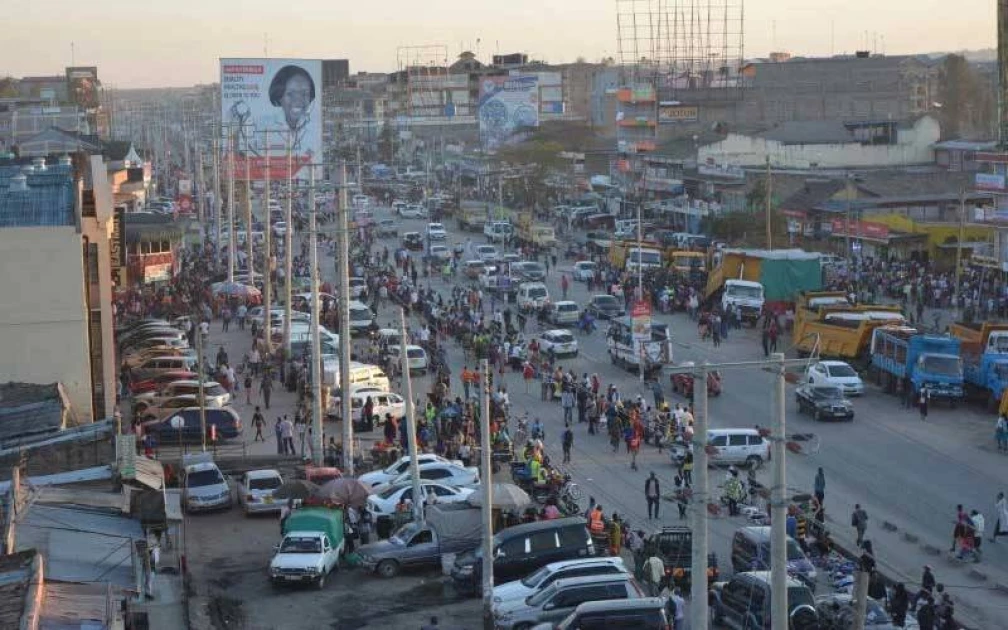
The future of urban housing demand in Kenya is expected to remain strong and continuously evolving as population growth, urbanization, and economic development accelerate. One of the most likely trends is the continued growth of apartments, especially in urban and peri-urban areas where land is limited and demand remains high. High-rise developments will continue to dominate city skylines as developers seek to maximize space and meet rising housing needs.
Satellite towns are also expected to expand further as infrastructure projects improve connectivity between cities and surrounding areas. With better roads, rail systems, and bypass networks, more people will choose to live outside city centers while commuting for work. This will further increase demand for housing in areas surrounding Nairobi, Mombasa, Kisumu, and other growing urban hubs.
Affordable housing projects will continue to play a central role in addressing Kenya’s housing deficit. Government initiatives, combined with private sector participation, are expected to increase the supply of low-cost housing units for low- and middle-income earners. At the same time, smart cities and sustainable developments are gaining attention, with a focus on energy efficiency, modern infrastructure, and environmentally friendly construction practices.
Large-scale projects such as Konza Technopolis highlight Kenya’s shift toward technology-driven urban development. Smart housing concepts, including automated systems, digital connectivity, and integrated community planning, are expected to shape future residential developments. Green urban development is also becoming more important as developers adopt eco-friendly building materials and renewable energy solutions.
Infrastructure development will remain a key driver of housing growth, while future population increases will continue to intensify demand for urban housing. Urban planning reforms and increased private sector involvement are also expected to improve housing supply and quality. Overall, Kenya’s urban housing market is set for long-term expansion, offering significant opportunities for developers, investors, and homebuyers.
Conclusion – Why Urban Housing Demand in Kenya Will Continue Rising
Urban housing demand in Kenya is on a steady upward trajectory, driven by several long-term structural factors that continue to reshape the real estate market. Rapid urbanization remains one of the strongest drivers, as more people migrate to cities and towns in search of better employment, education, and business opportunities. This ongoing population shift continues to place pressure on existing housing stock in major urban centers.
Population growth, particularly among the youthful demographic, is further increasing the need for new housing units. As more young people form independent households, demand for rental apartments, studios, and affordable housing continues to rise. At the same time, the growing preference for apartments over standalone homes reflects changing lifestyles, land scarcity in cities, and the need for convenience and proximity to workplaces.
The expansion of satellite towns has also significantly influenced urban housing patterns. Improved infrastructure and transport networks have made it easier for people to live outside city centers while still accessing urban job markets. However, affordability remains a major concern, as rising construction costs, land prices, and living expenses continue to challenge home ownership for many Kenyans.
Despite these challenges, the sector presents strong investment opportunities in rental housing, affordable housing projects, and emerging urban corridors.
Urban housing demand in Kenya is expected to remain strong for many years due to demographic growth, economic expansion, infrastructure development, and changing lifestyles. Developers, investors, and policymakers who understand these trends will be better positioned to benefit from Kenya’s evolving real estate market.