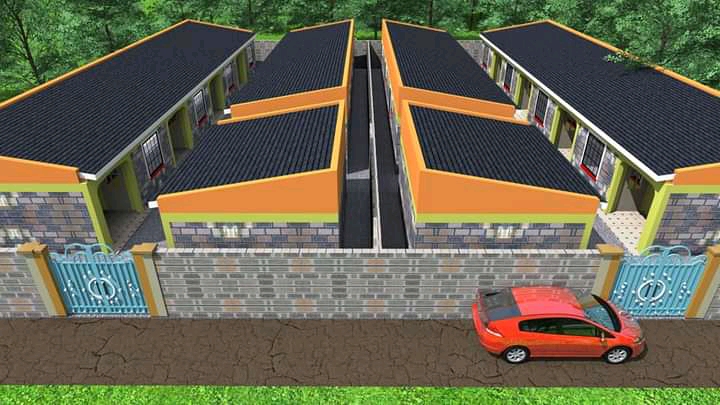
Learn the risks and penalties of building without approval in Kenya, including fines, demolition, stop orders, legal consequences, and how to regularize non-compliant construction projects.
Introduction: Why Building Approval Matters in Kenya
Kenya’s construction industry has experienced significant growth over the past decade, driven by rapid urbanization, population growth, infrastructure expansion, and increasing demand for residential and commercial developments. From private homes and apartment complexes to office buildings and industrial facilities, construction projects are transforming cities and towns across the country. However, amid this growth, many property owners and developers attempt to begin construction without obtaining the necessary approvals from relevant authorities.
Building approval is a legal requirement designed to ensure that all developments comply with planning regulations, safety standards, environmental requirements, and building codes. Before construction begins, developers must obtain approval from the relevant County Government and comply with requirements set by regulatory bodies such as the National Construction Authority (NCA), environmental agencies, and utility providers where applicable.
Unfortunately, some developers believe that obtaining approvals is unnecessary, expensive, or merely a bureaucratic process that can be ignored. Others assume that small projects are exempt from regulatory requirements. These misconceptions often lead to costly consequences that could have been avoided through proper compliance.
Constructing a building without approval exposes property owners to serious risks, including stop-work orders, hefty fines, legal action, project delays, denial of utility connections, and even demolition of non-compliant structures. Understanding the importance of building approvals is therefore essential for anyone planning a construction project in Kenya. Compliance not only protects your investment but also ensures the safety, legality, and long-term value of your property.
What Does Building Approval Mean in Kenya?
Definition of Building Approval
Building approval is the official authorization granted by relevant government authorities allowing a construction project to proceed legally. Before any development begins, property owners must submit proposed architectural and structural drawings for review to ensure compliance with planning regulations, building codes, and safety standards. Once the plans meet all requirements, the developer receives a development permit or construction approval. Approved architectural plans confirm that the building design complies with zoning and planning requirements, while approved structural plans verify that the proposed structure can safely withstand expected loads and environmental conditions. Construction should only commence after these approvals have been obtained.
Key Authorities Involved
Several regulatory bodies play important roles in the building approval process in Kenya. County Governments are the primary authorities responsible for reviewing development applications, approving building plans, and ensuring compliance with local planning regulations. The National Construction Authority (NCA) oversees construction standards, contractor registration, and project compliance throughout the construction phase.
For projects that may have environmental impacts, the National Environment Management Authority (NEMA) may require environmental assessments and approvals before construction can proceed. Utility agencies such as water, sewerage, electricity, and road authorities may also review developments to ensure adequate infrastructure connections and service provision.
These approvals serve a critical purpose beyond legal compliance. They help protect public safety by ensuring buildings are structurally sound, accessible, and compliant with health and safety standards. They also support effective urban planning by preventing illegal developments, reducing environmental risks, managing land use efficiently, and promoting orderly growth within Kenya’s towns and cities.
Is It Illegal to Build Without Approval in Kenya?
Relevant Laws and Regulations
Yes, it is illegal to undertake construction work in Kenya without obtaining the necessary approvals from the relevant authorities. Several laws and regulations govern the planning, approval, and execution of construction projects to ensure public safety, environmental protection, and orderly urban development.
One of the key laws is the Physical and Land Use Planning Act, which requires developers to obtain development permission before commencing construction. The Act empowers County Governments to regulate land use and ensure developments comply with approved zoning and planning requirements.
The National Construction Authority (NCA) Act also plays a crucial role by regulating construction activities and ensuring that projects are undertaken by qualified professionals and registered contractors. Depending on the project’s size and nature, registration with the NCA may be mandatory before construction begins.
Additionally, Kenya’s Building Code establishes standards for structural integrity, fire safety, sanitation, accessibility, ventilation, and other construction requirements. Compliance with these regulations helps ensure buildings are safe for occupants and surrounding communities.

What Constitutes Illegal Construction?
Illegal construction refers to any building activity that violates applicable planning, approval, or construction regulations. Common examples include commencing construction before receiving official approval from the County Government, deviating significantly from approved architectural or structural drawings, and carrying out unauthorized building extensions or alterations.
Other violations include changing the use of a property—for example, converting a residential building into commercial premises—without obtaining the required approvals. Such actions may result in enforcement notices, penalties, project suspension, legal proceedings, or even demolition of the non-compliant structure.
Why Some Property Owners Build Without Approval
Common Reasons
Despite the legal requirement to obtain building approvals before construction begins, some property owners in Kenya still choose to proceed without the necessary permits. One of the most common reasons is the desire to save money. Some developers view approval fees, professional consultancy charges, and compliance costs as unnecessary expenses and attempt to reduce their overall project budget by bypassing the approval process.
Others begin construction to avoid perceived delays associated with plan reviews and approval procedures. For example, a homeowner eager to complete a house quickly may start foundation works before receiving official approval, believing that the permits can be obtained later.
Lack of awareness is another significant factor, particularly among first-time landowners and small-scale developers. Some individuals simply do not understand that even residential houses require approval from the relevant County Government before construction can commence.
Informal developments also contribute to non-compliance. In some rapidly growing peri-urban and rural areas, construction may occur without proper planning oversight, encouraging developers to ignore approval requirements.
Additionally, some property owners assume that authorities will never inspect their project or enforce regulations. For instance, a landlord may add extra rental units or extend a building without approval, believing the changes will go unnoticed. However, increased inspections, stricter enforcement, and growing public awareness mean that unapproved developments are increasingly being identified, resulting in penalties, delays, and costly corrective actions.
Major Risks of Building Without Approval in Kenya
Constructing a building without obtaining the required approvals may seem like a shortcut to save time or money, but it exposes developers to significant legal, financial, and operational risks. County Governments, the National Construction Authority (NCA), and other regulatory agencies regularly conduct inspections and take enforcement action against non-compliant projects. Several developments across Kenya have been halted, issued with compliance notices, or closed down due to violations of construction regulations.
Risk 1: Stop Orders During Construction
One of the most immediate consequences of building without approval is the issuance of a stop order. When inspectors discover that a project lacks the necessary permits or does not comply with approved plans, they can order all construction activities to cease immediately. Such orders can be issued by County Governments, the NCA, or other regulatory agencies depending on the nature of the violation.
A stop order disrupts construction schedules, affects contractor productivity, and may lead to contractual disputes. In many cases, work cannot resume until the developer obtains the required approvals and addresses any compliance concerns raised by regulators.
Risk 2: Demolition Notices
Developers who fail to comply with approval requirements may receive demolition notices requiring them to remove all or part of an unauthorized structure. This is particularly common where buildings violate planning regulations, encroach on public land, obstruct infrastructure corridors, or pose safety risks to occupants and neighboring properties.
A demolition notice can result in the loss of substantial investments, especially if construction is already at an advanced stage. In severe cases, authorities may proceed with demolition if the owner fails to comply within the specified period, leading to significant financial and legal consequences.
Risk 3: Forced Project Suspension
Regulatory agencies may also suspend construction projects pending investigations or compliance reviews. During the suspension period, developers are unable to continue building activities, causing delays in project completion and occupancy. Such interruptions often increase construction costs due to extended labor contracts, equipment downtime, and inflation-related material price increases.
Risk 4: Legal Proceedings
Building without approval can expose developers to legal action from regulatory authorities. Property owners may be required to appear before enforcement bodies or courts to answer allegations of non-compliance. Legal proceedings can result in fines, compliance orders, or other penalties. Additionally, disputes may arise with neighbors or affected parties if the unauthorized development creates safety, environmental, or planning concerns.
Risk 5: Financial Losses
The financial impact of non-compliance often extends far beyond approval fees that were initially avoided. Developers may incur penalties, redesign costs, legal expenses, professional consultancy fees, and costs associated with rectifying non-compliant works. Delays caused by stop orders and project suspensions can also lead to lost rental income, missed business opportunities, and increased financing costs.
In several enforcement operations across Kenya, authorities have halted construction projects found to be operating without proper approvals or failing to meet safety requirements. These actions demonstrate that regulatory compliance is not optional. Obtaining approvals before construction begins remains the most effective way to protect your investment and avoid costly disruptions.
Financial Penalties for Building Without Approval
Building without approval can result in significant financial consequences that often far exceed the cost of obtaining the required permits in the first place. In addition to regulatory penalties, developers may face project delays, redesign expenses, and income losses that can substantially increase the overall cost of construction.
County Government Fines
County Governments have the authority to impose fines and penalties on developers who commence construction without approved building plans or who fail to comply with planning regulations. The amount payable varies depending on the county, the nature of the violation, and the scale of the development. In many cases, developers are required to pay penalty fees before their applications can be reconsidered or regularized. Additional charges may apply for unauthorized developments, inspections, and enforcement actions. These costs can quickly accumulate, making non-compliance far more expensive than following the approval process from the beginning.
NCA Compliance Penalties
The National Construction Authority (NCA) also enforces compliance within the construction sector. Developers who fail to register projects where required, engage unregistered contractors, or violate construction regulations may face penalties and enforcement actions. Non-compliant projects may be suspended until all statutory requirements are met. In some cases, developers may be required to pay compliance-related fees, administrative penalties, or additional charges associated with project registration and inspections. Failure to meet NCA requirements can also delay project completion and expose developers to further regulatory scrutiny.
Costs of Delays and Rework
Beyond official fines, developers often incur substantial indirect costs when attempting to regularize unapproved projects. Revised architectural and structural drawings may need to be prepared and re-submitted for approval, resulting in professional redesign fees and additional consultancy costs. If portions of the building do not comply with regulations, expensive modifications or reconstruction work may be required. Construction delays caused by stop orders or suspension notices can further increase labor and material costs. For rental and commercial developments, prolonged delays may result in lost rental income, reduced cash flow, and missed investment opportunities, significantly affecting overall project profitability.
Can the Government Demolish an Unapproved Building?
Yes. Under Kenyan planning and construction laws, government authorities have the power to order the demolition of buildings that fail to comply with regulatory requirements. While demolition is usually considered a last resort, it can be enforced where a structure poses a safety risk, violates planning regulations, or remains non-compliant despite repeated enforcement efforts.
Circumstances That Lead to Demolition
Several situations can lead to the demolition of an unapproved building. One of the most serious is the presence of dangerous or structurally unsafe buildings that threaten the lives of occupants, neighboring properties, or the general public. If inspections reveal major structural defects or construction practices that compromise safety, authorities may order the structure to be removed.
Demolition may also occur where a building encroaches on public land, road reserves, utility corridors, riparian areas, or other protected spaces. Such developments can interfere with public infrastructure, environmental protection measures, and planned urban growth.
Persistent non-compliance is another common reason for demolition. When a developer ignores stop orders, fails to obtain the required approvals, or refuses to implement corrective measures after receiving official notices, authorities may proceed with enforcement action. Kenya has witnessed several instances where unsafe or unauthorized buildings have been pulled down following recommendations by regulatory agencies after owners failed to comply with directives.
How the Demolition Process Works
The demolition process typically begins with an inspection by County Government officials, the National Construction Authority (NCA), or other relevant agencies. Inspectors assess the building’s compliance status, structural condition, and adherence to planning requirements.
If violations are identified, the property owner is issued with an enforcement notice outlining the specific non-compliance issues and the corrective actions required. The notice usually provides a specified period within which the owner can respond, obtain approvals, rectify defects, or appeal the decision.
Where the owner fails to comply within the given timeframe, authorities may escalate enforcement measures. This can include stop-work orders, legal proceedings, and ultimately demolition of the offending structure. In several high-profile cases across Kenya, unsafe buildings and developments erected contrary to planning regulations have been demolished after owners ignored repeated warnings and compliance directives. These actions highlight the government’s commitment to protecting public safety and ensuring adherence to building regulations.
Safety Risks Associated With Unapproved Buildings
Building approvals are not merely administrative requirements designed to satisfy government regulations. They exist primarily to protect human life, property, public health, and the environment. When construction proceeds without proper review and approval, critical safety checks may be overlooked, increasing the likelihood of accidents, structural failures, and health hazards. This is why authorities place significant emphasis on compliance before and during construction.
Structural Failures
One of the greatest dangers associated with unapproved buildings is the risk of structural failure. Approved structural designs undergo professional review to ensure foundations, columns, beams, slabs, and other structural elements can safely support the intended loads. Without proper approvals and inspections, developers may use inadequate designs, poor-quality materials, or unsafe construction methods. These deficiencies can lead to cracks, excessive settlement, partial collapse, or complete building failure. In Kenya, several building collapse incidents have highlighted the devastating consequences of disregarding structural standards and professional oversight during construction.
Fire Safety Deficiencies
Unapproved developments often fail to comply with fire safety requirements established by building regulations. Essential features such as fire exits, emergency access routes, firefighting equipment, smoke ventilation systems, and safe electrical installations may be omitted or improperly designed. In the event of a fire, these shortcomings can significantly increase property damage, injuries, and loss of life while making emergency response more difficult.
Poor Drainage and Sanitation
Building approvals also assess drainage, wastewater management, and sanitation systems. Without proper planning and review, a development may experience flooding, waterlogging, sewer overflows, or environmental contamination. Poor drainage can damage structures over time, while inadequate sanitation facilities can create serious public health concerns for occupants and surrounding communities.
Risks to Occupants and Neighbors
The dangers of unapproved buildings extend beyond the property owner. Unsafe structures, falling debris, fire hazards, and poor drainage can affect neighboring properties and the wider public. Approval processes therefore exist not only to enforce legal compliance but also to ensure safe, sustainable, and well-planned developments that protect everyone within the community.
Impact on Property Value and Future Sale
Obtaining the necessary building approvals does more than ensure legal compliance—it also plays a significant role in protecting the long-term value and marketability of a property. Properties developed without approval often face challenges when being sold, financed, or transferred, making them less attractive to potential buyers and investors.
Difficulty Selling Property
One of the most common consequences of constructing without approval is difficulty selling the property in the future. Many buyers conduct legal and technical checks before completing a purchase, and missing approval documents can raise immediate concerns. Potential purchasers may fear future penalties, demolition orders, or costly regularization requirements. In some cases, buyers may completely withdraw from a transaction after discovering that the building lacks approved plans or development permits. As a result, property owners may struggle to find willing buyers or experience lengthy delays before securing a sale.
Buyer Due Diligence Concerns
Modern property buyers are increasingly cautious and often perform extensive due diligence before investing. They may request approved building plans, occupation certificates, compliance records, and other regulatory documents to verify that the development was legally constructed. If these documents are unavailable, buyers may question the quality of construction, structural safety, and legal status of the property. Such concerns can reduce buyer confidence and create uncertainty during negotiations.
Reduced Market Value
Properties with proper approvals generally command higher market values because they present lower legal and financial risks. Conversely, unapproved developments may require regularization, modifications, or additional compliance measures before they can be legally occupied or transferred. Buyers often factor these potential costs into their offers, resulting in lower purchase prices. Approved developments attract higher buyer confidence because they demonstrate compliance with planning regulations, safety standards, and professional construction practices, making them safer and more secure long-term investments.
Challenges in Obtaining Loans and Insurance
Access to financing and insurance is a critical part of real estate investment, especially for residential and commercial developments in Kenya. However, buildings constructed without proper approvals often face significant barriers when owners attempt to secure mortgages, insurance coverage, or other financial services. Financial institutions rely heavily on compliance documentation to assess risk before approving any facility.
Mortgage Approval Problems
Banks and mortgage providers typically require proof that a property has all necessary approvals before they can finance it. This includes approved architectural and structural plans, building permits, and sometimes occupation certificates. Without these documents, lenders consider the property high-risk because it may be subject to demolition, penalties, or legal disputes. As a result, applicants may be denied financing altogether or offered loans under strict conditions and higher interest rates. Even where financing is possible, delays in approval processes can slow down property acquisition or construction funding, affecting project timelines and cash flow.
Insurance Limitations
Insurance companies also require compliance with building regulations before issuing policies. Unapproved buildings may either be denied coverage or offered limited protection at higher premiums. Insurers are reluctant to cover properties that do not meet safety and construction standards, as they pose a higher risk of fire, structural failure, or legal claims. This leaves property owners financially exposed in the event of damage, accidents, or natural disasters.
Investment Risks
From an investment perspective, lack of approval reduces the overall attractiveness and security of a property. Investors prefer assets that are legally compliant, easy to finance, and fully insurable. Unapproved buildings introduce uncertainty, reduce liquidity, and may require costly regularization before they can be sold or refinanced. Financial institutions consistently prioritize compliance documentation because it confirms that a project meets legal, safety, and planning standards, thereby reducing risk for both lenders and investors.
What Happens If Authorities Discover an Unapproved Building?
When authorities discover a building that has been constructed without the required approvals, they initiate a formal compliance and enforcement process. This process is aimed at assessing the level of violation, ensuring public safety, and determining the appropriate corrective action in line with Kenyan planning and construction laws.
Inspection Process
The process begins with an official inspection by County Government officers, National Construction Authority (NCA) inspectors, or other relevant agencies. The inspection involves reviewing the construction site, verifying approval documents, and assessing whether the building complies with approved plans and safety standards. Inspectors may also evaluate structural integrity, land use compliance, and potential risks to occupants or neighboring properties. A detailed report is then prepared outlining any violations identified.
Enforcement Actions
If non-compliance is confirmed, authorities issue enforcement notices to the property owner or developer. These notices outline the specific breaches and the corrective measures required. Depending on the severity of the violation, immediate stop-work orders may be issued to halt all construction activities. In more serious cases, authorities may escalate the matter to legal or planning tribunals for further action.
Possible Outcomes
Once a case of non-compliance is established, several outcomes are possible depending on the nature and extent of the violation. The first option is regularization, where the developer is allowed to submit revised drawings and obtain retrospective approval after meeting all requirements. In other cases, fines may be imposed for violating planning regulations or commencing construction without permits. Stop orders may remain in place until full compliance is achieved, delaying project completion. In severe situations—especially where safety is compromised or there is persistent non-compliance—authorities may order partial or full demolition of the structure. These enforcement measures, as reported in various cases by the Kenya News Agency, demonstrate the government’s commitment to ensuring safe and lawful construction practices across the country.
How to Regularize a Building Constructed Without Approval
Regularization is the legal process of bringing an already constructed or partially constructed building into compliance with planning and construction regulations. In Kenya, County Governments provide mechanisms for property owners to correct non-compliant developments, although the process may involve penalties, redesigns, and inspections. The goal is to ensure the structure meets safety, zoning, and building code requirements.
Engage Registered Professionals
The first step is to engage qualified and registered professionals such as architects, structural engineers, and physical planners. These experts assess the current condition of the building and guide the owner on what changes are required to meet approval standards. Their involvement is essential because only licensed professionals can prepare documents acceptable for submission to County authorities.
Conduct Building Assessment
A detailed assessment of the existing structure is then carried out. This involves checking structural integrity, foundation strength, materials used, and compliance with zoning regulations. The assessment identifies deviations from approved standards and highlights areas that may require modification, reinforcement, or redesign before approval can be granted.
Prepare Compliance Drawings
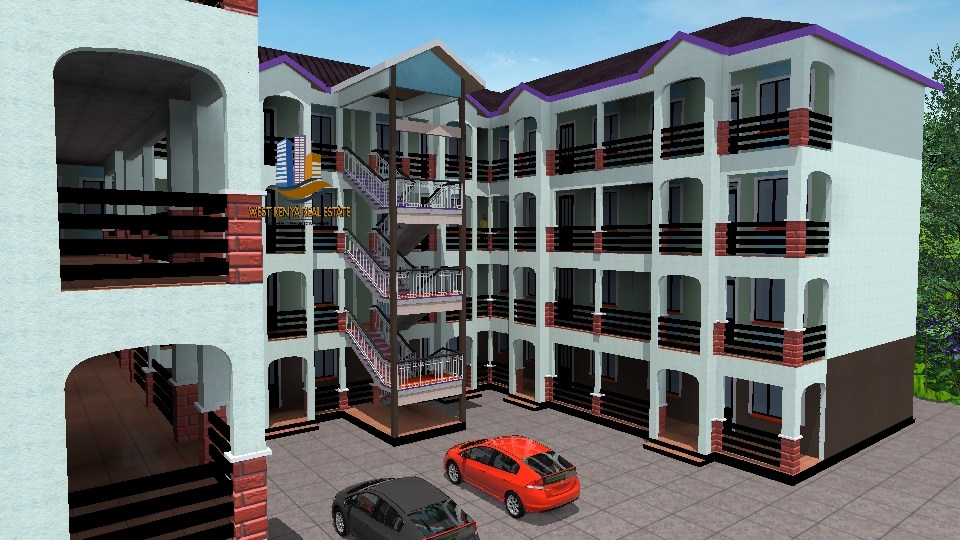
Based on the assessment, professionals prepare updated architectural and structural drawings that reflect the current state of the building or proposed modifications needed for compliance. These drawings must align with local building codes, safety standards, and planning regulations to be accepted during the review process.
Submit Regularization Application
The updated documents are then submitted to the relevant County Government department for review. The application typically includes revised plans, ownership documents, site details, and any required reports. Authorities evaluate whether the building can be legalized or if further corrective action is needed before approval is granted.
Pay Applicable Penalties
Finally, the property owner is required to pay any applicable penalties or fees associated with constructing without prior approval. These may include fines, inspection charges, and administrative costs. Once all requirements are met, the building can be issued with retrospective approval, allowing it to be legally recognized and used for its intended purpose.
How to Avoid Approval Problems Before Construction
Avoiding approval-related problems before construction begins is the most effective way to prevent legal disputes, financial losses, and project delays. Proper planning and compliance from the start ensure that a project proceeds smoothly and meets all regulatory requirements in Kenya.
Hire Qualified Professionals
Engage registered architects, engineers, and planners to design and supervise your project. These professionals understand building codes and county requirements, ensuring that your plans meet approval standards from the outset and reduce the risk of rejection or redesign.
Verify Land Ownership Documents
Before designing or constructing, confirm that all land ownership documents are valid and up to date. Proper title verification ensures that the land is legally transferable and suitable for development under local planning regulations, avoiding future disputes.
Obtain County Approval First
Submit all architectural and structural drawings to the relevant County Government for approval before any construction begins. This ensures the project complies with zoning, safety, and planning regulations, reducing the risk of enforcement action.
Register Project With NCA
All eligible construction projects should be registered with the National Construction Authority (NCA). Registration ensures compliance with national construction standards and allows for proper monitoring of contractors and site activities.
Maintain Compliance During Construction
Even after approvals are granted, ensure that construction follows the approved plans. Regular site inspections and professional supervision help maintain compliance and prevent deviations that could lead to penalties or stop orders. Continuous adherence to regulations protects both the investment and the safety of future occupants.
Recent Trends in Enforcement and Building Regulations in Kenya
Kenya’s construction sector is undergoing significant regulatory transformation as authorities strengthen enforcement mechanisms and modernize approval systems. These changes are driven by rapid urban growth, increasing safety concerns, and the need to improve compliance with planning and construction standards. County Governments, the National Construction Authority (NCA), and other agencies are playing a more active role in monitoring developments and ensuring adherence to building regulations.
Increased Site Inspections
One of the most notable trends is the rise in routine and targeted site inspections. Regulatory officers are increasingly visiting construction sites to verify compliance with approved plans, safety standards, and registration requirements. These inspections are often conducted without prior notice, allowing authorities to identify violations early in the construction process. In several reported cases across Kenya, including urban and peri-urban developments, non-compliant buildings have been issued with stop orders or shutdown notices after inspection teams identified structural or planning breaches. This increased oversight is aimed at reducing unsafe construction practices and preventing future building collapses.
Building Code Reforms
Kenya has also been implementing reforms to modernize its building codes and align them with international safety and sustainability standards. These reforms emphasize stronger structural requirements, improved fire safety measures, environmental considerations, and enhanced accessibility standards. The updated regulations aim to address gaps in previous frameworks and ensure that all new developments meet higher safety benchmarks.
Digital Approval Systems
Another key development is the adoption of digital platforms for building plan submissions and approvals. Many County Governments are transitioning to online systems to streamline application processes, reduce delays, and improve transparency. These systems allow developers to track application status, submit documents electronically, and receive feedback more efficiently. According to regulatory updates reported by national agencies, these digital reforms are intended to reduce corruption, improve efficiency, and ensure better enforcement of planning laws across the country.
Conclusion: Why Building Approval Is Essential for Every Construction Project in Kenya
Building approval is a fundamental requirement in Kenya’s construction sector, serving as the foundation for safe, legal, and sustainable development. Every construction project—whether residential, commercial, or industrial—must comply with established planning and building regulations to ensure that it meets national standards and contributes positively to organized urban growth.
First, legal compliance is a key reason why building approvals are essential. They ensure that developers adhere to the Physical and Land Use Planning Act, NCA requirements, and county regulations, reducing the risk of enforcement actions and legal disputes. Without approval, construction becomes a violation of the law, exposing owners to penalties and possible demolition.
Second, safety protection is a major benefit of the approval process. Structural, fire safety, drainage, and environmental assessments help prevent building failures and protect both occupants and surrounding communities. Approved plans ensure that buildings are constructed to withstand real-world conditions safely.
Third, financial security is strengthened through compliance. Approved developments are easier to finance, insure, and manage, while unapproved buildings often face loan rejections, insurance limitations, and costly regularization processes.
Fourth, property value preservation is closely tied to approval status. Buildings with proper documentation attract higher buyer confidence, better resale value, and smoother ownership transfers.
Fifth, regulatory requirements ensure orderly urban development. County Governments and agencies like the National Construction Authority rely on approvals to manage land use, infrastructure planning, and sustainable growth.
Finally, long-term investment protection is achieved through compliance from the outset, reducing the risk of future disputes or enforcement actions.
Call to Action
Planning to build in Kenya?
Before laying the first foundation stone, consult qualified architects, engineers, and planning professionals to secure all required approvals. Proper planning helps you avoid costly penalties, project delays, and legal disputes while ensuring your building meets safety and quality standards. Whether you are constructing a home, apartment, commercial building, or mixed-use development, obtaining the necessary approvals is one of the smartest investments you can make. Contact a licensed construction consultant today and start your project the right way—legally, safely, and confidently.