Discover property management automation tools that save time, cut costs, and scale rentals faster. Compare systems, features, and ROI. Start automating today.
Introduction
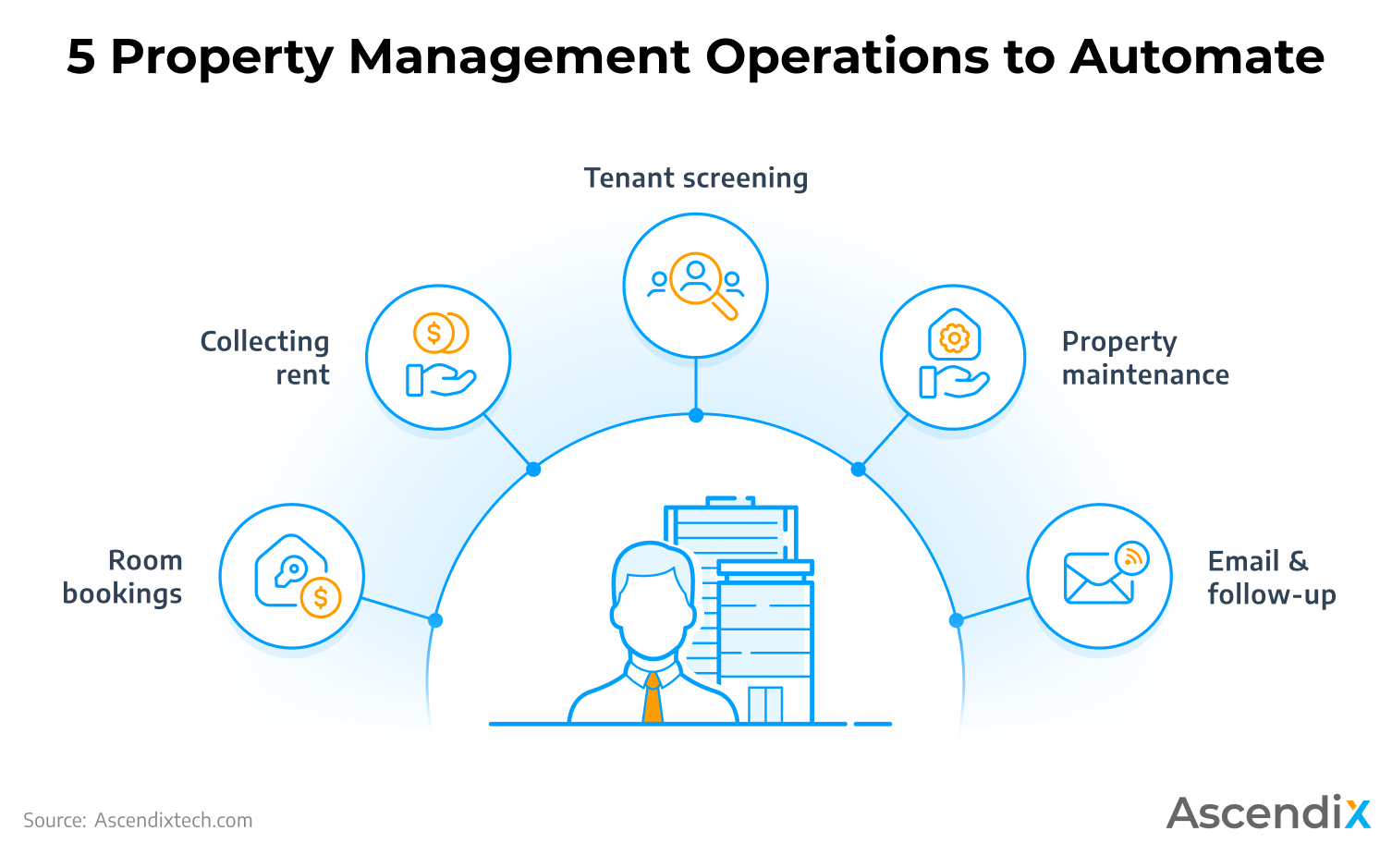
In today’s competitive rental market, automation is no longer optional — it’s essential. Property Management Automation helps landlords and property managers save time, reduce errors, and increase tenant satisfaction by streamlining key workflows such as rent collection, maintenance requests, tenant communication, and lease management. By leveraging modern tools and automated property systems, rental businesses can scale efficiently without adding extra staff.
This guide will walk you through everything you need to know about property management automation, from top features and best systems (including Clets) to step‑by‑step implementation strategies. You will also find downloadable PDFs, checklists, and resources that make it easy to start automating your property management tasks immediately.
What Is Property Management Automation?
Definition and How It Works
Property Management Automation refers to the use of software and digital tools to streamline and automate repetitive property management tasks. It includes managing rent collection, tenant communication, maintenance requests, and lease documentation without constant manual intervention. Automation ensures that landlords and property managers can handle more properties efficiently while reducing the risk of human error. By integrating multiple workflows into a single system, rental operations become faster, more organized, and more scalable.
Manual vs Automated Workflows
Manual property management often requires staff to handle tasks like calling tenants for rent reminders, logging maintenance requests, or tracking lease renewals. These processes are time-consuming, prone to errors, and can create delays that frustrate tenants. Automated workflows, on the other hand, handle these tasks digitally, sending reminders, updating records in real-time, and generating reports instantly. This shift from manual to automated systems allows property managers to focus on higher-value activities like tenant engagement and investment growth.
Automation Technologies used.
Modern property management automation relies on advanced technologies such as Artificial Intelligence (AI), Application Programming Interfaces (APIs), and cloud computing. AI can predict maintenance needs, identify potential tenant issues, or optimize rent pricing. APIs allow different software systems to communicate seamlessly, linking accounting, communication, and property management tools together. Cloud-based platforms enable access to property data anytime, anywhere, ensuring that property managers can operate efficiently even remotely.
Why It’s Critical for Today’s Rentals
In today’s competitive rental market, tenants expect quick responses, digital payments, and seamless communication. Property managers who rely solely on manual processes risk delays, dissatisfied tenants, and missed revenue opportunities. Property Management Automation ensures that all critical processes are streamlined, reducing operational bottlenecks and improving tenant experience. Additionally, automated systems help landlords stay compliant with regulations by tracking deadlines, payments, and maintenance logs accurately.
Core Benefits of Automation in Property Management
Save Time on Repetitive Tasks
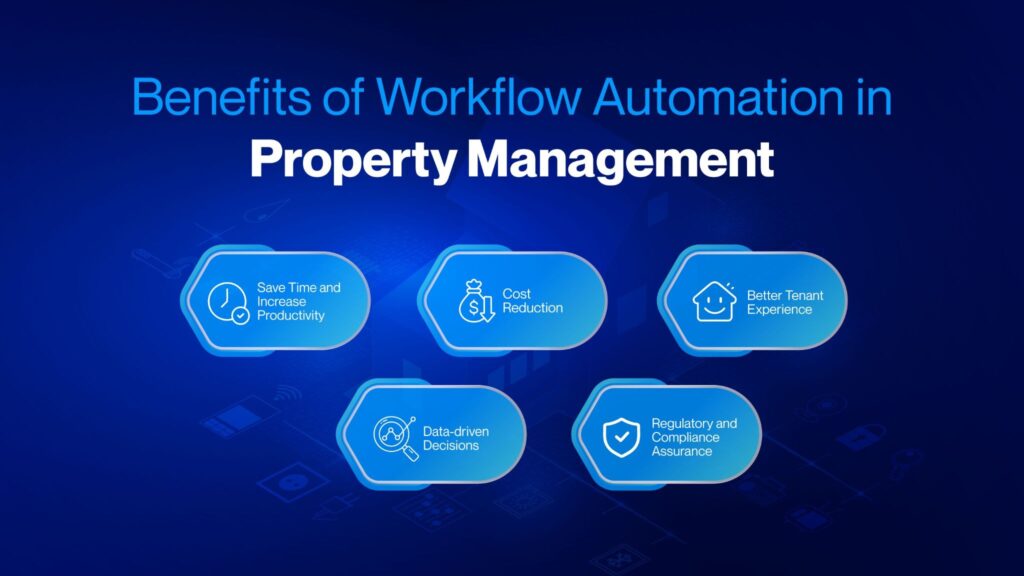
One of the biggest advantages of property management automation is saving time on repetitive and administrative tasks. Automated rent collection, maintenance reminders, and tenant notifications reduce hours spent on phone calls, emails, and manual data entry. This allows property managers to dedicate more time to strategic tasks such as marketing, tenant relations, and portfolio growth. Efficient time management ultimately leads to higher productivity and better returns on investment.
Reduce Errors & Improve Compliance
Manual processes are prone to mistakes, from late rent entries to misfiled lease documents. Automation reduces these errors by ensuring that all transactions, communications, and records are tracked digitally and consistently. Many automated property systems include compliance features that alert managers to deadlines, legal updates, and lease expirations. This not only safeguards landlords from fines or disputes but also builds trust with tenants by maintaining accurate records.
Boost Tenant Satisfaction & Retention
Tenants today expect fast communication, online rent payments, and quick maintenance responses. Automated property systems enable property managers to provide a seamless and responsive tenant experience. Features like instant messaging, automated notifications, and self-service portals improve tenant engagement and loyalty. Satisfied tenants are more likely to renew leases and recommend the property, which reduces vacancy rates and increases long-term revenue.
Scale Without Large Staff Increases
Automation allows property managers to oversee more units without proportionally increasing staff. By handling repetitive and administrative tasks digitally, managers can focus on growing their portfolios and expanding operations. Automated property systems support scalability by centralizing all workflows, enabling consistent management even across multiple locations. This makes it easier for landlords and property companies to increase revenue without incurring excessive labor costs.
Top Features of an Automated Property System
Automated Rent Collection & Online Payments
Automated rent collection is a core feature of property management automation, allowing tenants to pay online with reminders and receipts sent automatically. This reduces late payments, ensures consistent cash flow, and eliminates the need for manual tracking. Most systems integrate with banking platforms for real-time transaction monitoring and reporting. Landlords benefit from faster collections, fewer errors, and improved financial transparency.
Digital Lease Signing & Renewals
Digital lease management automates the signing, storage, and renewal of rental agreements. Tenants can sign leases remotely, while managers receive notifications when renewals are due. This process reduces paperwork, speeds up lease execution, and minimizes the risk of expired agreements. Automated lease tracking also ensures compliance with local laws and regulations.
Maintenance Workflow Automation
Maintenance workflow automation allows tenants to submit requests online, which are automatically routed to the appropriate service provider. Property managers can track the status of requests, set priority levels, and generate reports for future planning. Automated scheduling ensures timely responses, reduces downtime, and keeps tenants satisfied. This system also keeps detailed records of repairs for compliance and budgeting purposes.
Centralised Communication & Document Storage
A centralized communication hub ensures all messages, notifications, and documents are stored in one place. This improves transparency, reduces miscommunication, and allows managers to access important files instantly. Automated reminders, announcements, and reporting features enhance operational efficiency. Centralized storage also helps with legal compliance and audit readiness.
Choosing the Right Automated Property System
Choosing the right automated property system depends on your portfolio size, budget, and the specific workflows you want to automate. The table below compares popular property management automation platforms to help you quickly identify the best fit for your needs.
| Platform | Best For | Key Automation Features | Pricing Level | Ideal Use Case |
| Buildium | Mid-size to large property portfolios | Automated rent collection, accounting, maintenance tracking, reporting | Medium–High | Professional property managers managing multiple units |
| AppFolio | Large portfolios & enterprises | AI-powered insights, tenant portals, online payments, maintenance automation | High | Scalable rental businesses needing advanced automation |
| TenantCloud | Small landlords & startups | Online rent payments, lease tracking, maintenance requests | Low–Medium | Individual landlords or small rental portfolios |
| Clets | Localized & flexible property management | Rent automation, tenant communication, reporting, localized compliance | Medium | Property managers seeking region-specific automation solutions |
| Custom / Hybrid Systems | Complex or unique workflows | API integrations, custom automation, advanced reporting | Variable | Large firms with specific operational requirements |
What to Look for When Comparing Tools
When choosing an automated property system, landlords and managers should evaluate features such as rent collection automation, maintenance tracking, tenant communication, and reporting capabilities. It’s also important to consider user-friendliness, cloud access, and mobile functionality. A system that integrates well with your existing workflow can save time and prevent costly errors. By carefully assessing these factors, property managers can select a solution that fits their operational needs and scales with their portfolio.
Comparing Popular Platforms (Buildium, AppFolio, TenantCloud, Clets)
Popular property management automation platforms like Buildium, AppFolio, TenantCloud, and Clets each offer unique features and pricing models. Buildium is ideal for mid-sized portfolios with strong accounting and reporting tools, while AppFolio provides robust communication features and AI-powered insights. TenantCloud is cost-effective for smaller landlords, and Clets offers localized automation options for property managers seeking tailored solutions. Comparing these systems helps you select the best automated property system for your specific needs.
Pricing, Support & Integration Checklist
Cost, support, and system integration are critical considerations when choosing a property management automation tool. Look for platforms that provide transparent pricing, responsive customer support, and seamless integration with accounting, CRM, or maintenance systems. Platforms that offer trial periods or scalable pricing tiers allow you to test features without committing upfront. Evaluating these factors ensures you select a system that delivers long-term value for your rental business.
Step‑by‑Step Implementation Blueprint
Assess Workflow & Automate Priorities
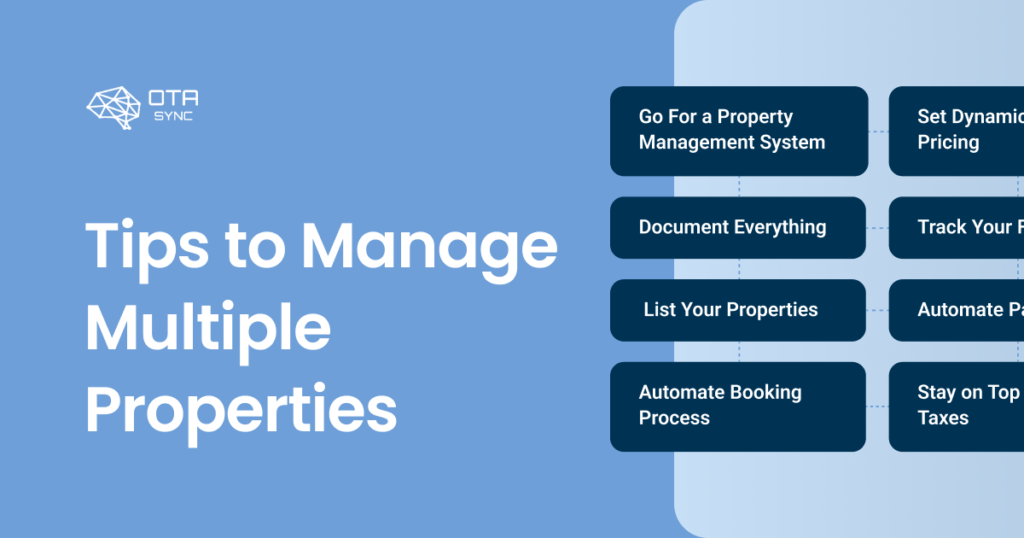
The first step in implementing property management automation is to assess your current workflows and identify repetitive tasks suitable for automation. Prioritize processes like rent collection, maintenance requests, and lease renewals to maximize efficiency gains. Mapping your workflow ensures that you automate the most impactful tasks first, reducing errors and freeing up staff time for high-value activities. This approach provides a clear roadmap for adopting an automated property system.
Migrate Data & Integrate Systems
Migrating existing tenant data and integrating it into your new automated property system is a critical step. Ensure that all records, from payment history to maintenance logs, are accurately imported to prevent disruptions. Integration with existing tools like accounting software or communication platforms is essential for seamless operations. Proper migration and integration set the foundation for a fully automated, error-free property management workflow.
Train Teams and Measure Impact
Successful property management automation requires staff training to ensure everyone understands new workflows and system features. Provide clear guides, tutorials, and hands-on sessions to boost adoption. Measuring the impact through key performance indicators, such as reduced processing time or improved tenant satisfaction, allows managers to fine-tune the system. Regular evaluations ensure the automation continues to deliver efficiency and cost savings.
Tools, PDFs & Resources
Best Automation Tools & Software
There are many property management automation tools designed to simplify rental operations. Popular options include Buildium, AppFolio, TenantCloud, and Clets, each offering unique features for rent collection, maintenance tracking, and reporting. Selecting the right software depends on the size of your portfolio, your workflow needs, and budget. Leveraging these tools helps landlords and managers streamline operations and improve tenant experience.
Automation in Property Management PDF Guides
Downloadable PDFs provide step-by-step guidance on implementing property management automation, including workflow templates, checklists, and system comparisons. These resources allow managers to plan and execute automation strategies effectively. PDF guides also include tips on tenant communication, maintenance workflows, and compliance tracking. They are valuable tools for anyone seeking to adopt automation systematically.
Checklists & Downloadables for Success
Using checklists and other downloadable resources ensures that no aspect of property management automation is overlooked. Common checklists include rent collection procedures, maintenance request workflows, tenant onboarding, and system integration steps. Downloadables help managers maintain consistency, measure progress, and track ROI from automation. Incorporating these resources into daily operations increases efficiency and minimizes errors.
Conclusion
Property Management Automation is essential for modern rental businesses. Automating rent collection, tenant communication, maintenance, and lease management saves time and reduces errors. By selecting the right automated property system, landlords can scale operations while improving tenant satisfaction. Downloadable PDFs and checklists make implementation easier and more effective.